7 Common Homemade Gravy Mistakes That Could Be Ruining Your Dinner
A good gravy can turn simple mashed potatoes, roasted turkey, or biscuits into everyone’s favorite part of dinner. But getting that rich flavor and smooth texture isn’t always as easy as it looks. One small mistake can leave you with a sauce that’s too thick, greasy, lumpy, or disappointingly bland. The good news is that most gravy problems come down to a few simple cooking habits. Before you prepare your next Sunday roast or holiday dinner, avoid these seven common mistakes.
Using Drippings That Haven’t Browned Properly
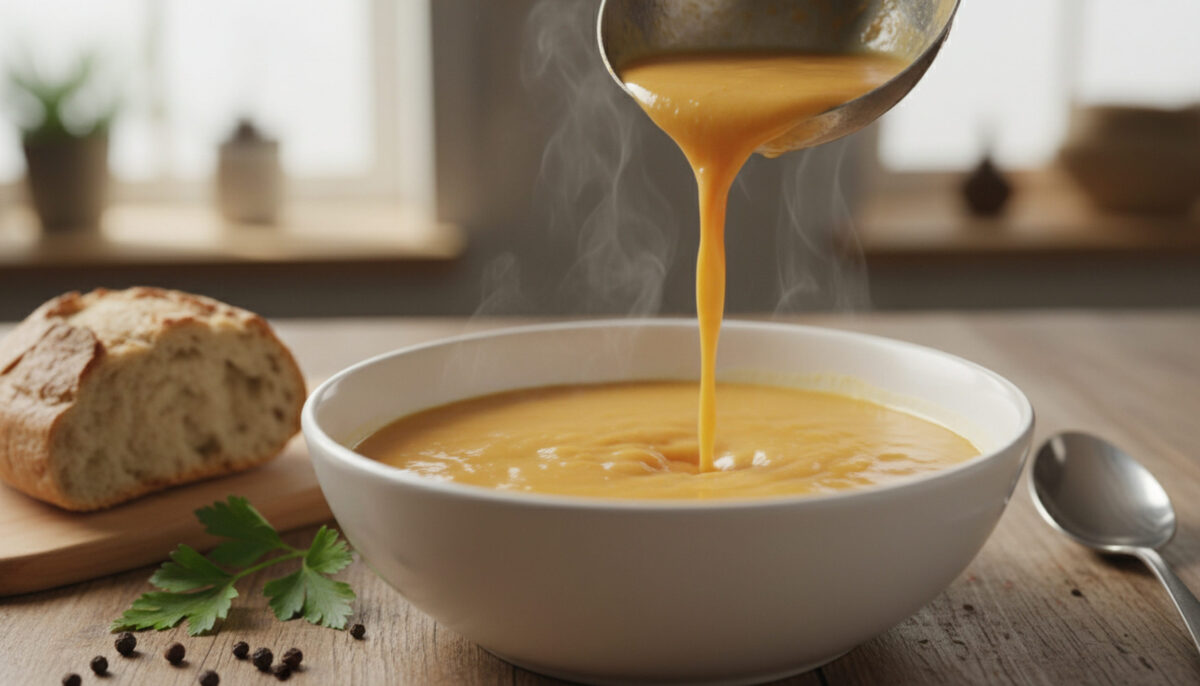
Those little brown bits stuck to the bottom of your roasting pan might look like a cleaning problem, but they’re actually packed with flavor. When meat browns during roasting, a chemical process called the Maillard reaction creates complex flavors and that appealing golden-brown color. Those browned bits can add deep, savory flavor to homemade gravy.
If you rush the roasting process or discard the browned bits, you could miss an opportunity to build richer flavor. However, you don’t need to overcook your meat to develop darker drippings. Properly browned meat and a flavorful stock can both contribute to excellent gravy.
Once the meat is removed, add a little broth or water to the warm roasting pan. Gently scrape up the browned bits with a wooden spoon, then incorporate that liquid into your gravy. Leave behind any blackened, burnt residue, which can add unpleasant bitterness.
Adding Flour or Cornstarch Directly Into Hot Liquid
Few things are more frustrating than stirring homemade gravy and discovering stubborn lumps floating around. One common reason this happens is adding dry flour or cornstarch straight into hot liquid. The outside of the starch can hydrate rapidly, trapping dry powder inside clumps.
The easiest solution is to prepare your thickener before adding it to the gravy. For cornstarch, mix it with a little cold water until smooth to make a slurry. Slowly pour this mixture into the simmering liquid, stirring constantly until the gravy thickens.
If you’re using flour, another reliable option is to make a roux by cooking it with fat before adding the liquid. Both techniques help distribute the thickener more evenly. If lumps have already formed, strain the gravy through a fine-mesh strainer to restore a smoother texture.
Not Cooking Your Roux Long Enough
A roux is one of the simplest ways to create smooth, rich gravy, but it needs proper attention. This flour-and-fat mixture forms the foundation of many traditional gravy recipes. Unfortunately, rushing this step can leave your sauce with an unpleasant raw flour taste.
Start by melting butter or warming your reserved roasting fat in a saucepan. Add the flour and whisk until smooth, then cook over moderate heat. For many traditional gravies, a light golden roux adds a pleasant toasted flavor without sacrificing much thickening power.
Keep in mind that darker roux generally have less thickening ability than lighter ones. You don’t need to cook your flour until it becomes deep brown, especially when making a classic turkey gravy. Once the roux reaches the desired color, gradually whisk in your broth or drippings to create a smooth sauce.
Adding Too Much Flour or Cornstarch
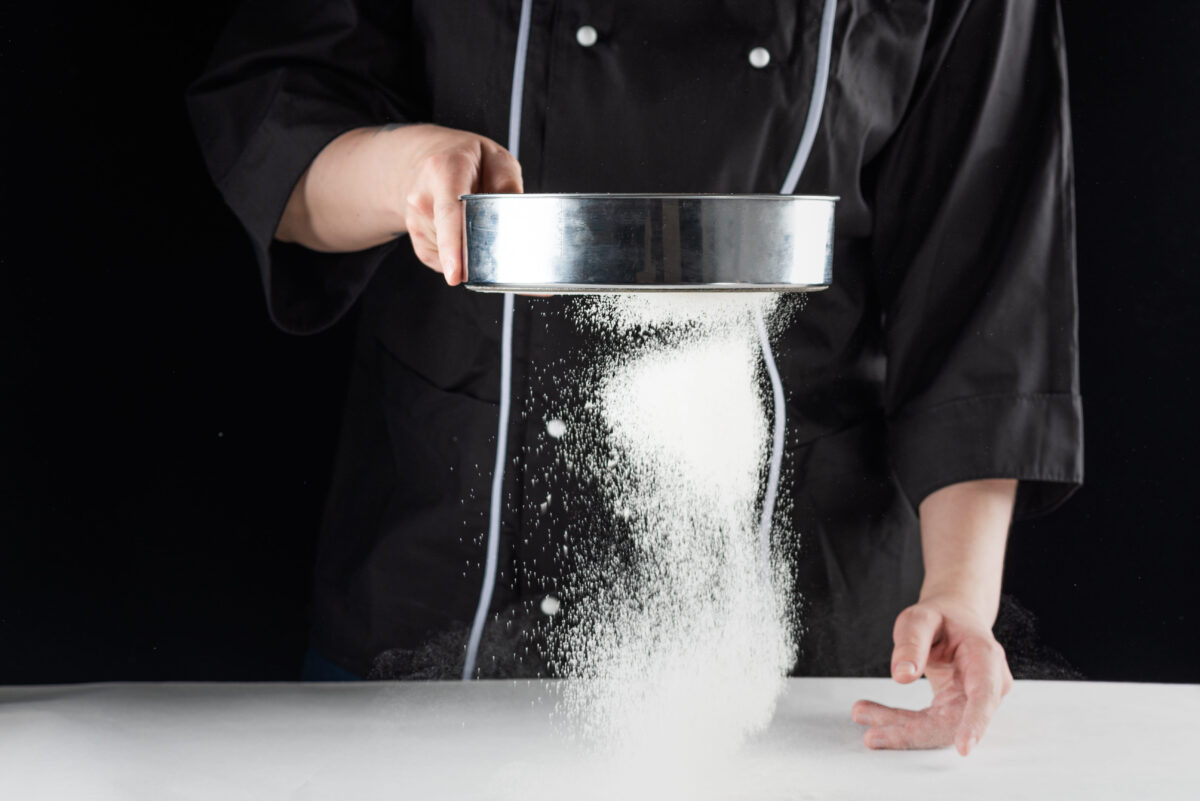
Thick gravy might sound delicious, but there’s a difference between a rich sauce and something that resembles paste. Adding too much flour or cornstarch can create an overly heavy texture that overwhelms everything on your plate. Instead of flowing smoothly over mashed potatoes, the gravy may become gummy or difficult to pour.
The best approach is to add thickener gradually and let it work. Starches need heat and moisture to thicken properly, so don’t add another spoonful right away just because the sauce looks thin. Let the mixture simmer before deciding whether it needs more.
If your gravy becomes too thick, gently stir in small amounts of warm broth or water. Continue until it reaches a consistency that comfortably coats the back of a spoon. Remember that many gravies also thicken as they cool, so keep them slightly looser before serving.
Relate: 12-hobbies-everyone-judges-you-for/
Forgetting to Remove Excess Fat From the Drippings
Roasting meat produces flavorful juices, but it also releases fat that can collect in the bottom of the pan. Although some fat is essential for making a roux, using too much can leave your finished gravy unpleasantly greasy. You might even notice a shiny layer of oil floating on the surface.
Before making gravy, pour the pan drippings into a heatproof container and let the fat separate. The fat naturally rises above the juices, making it easier to skim off with a spoon. A dedicated fat separator can make the process easier.
Don’t throw away all that flavorful fat, though. Reserve a measured amount for preparing your roux, then use the remaining juices to build the sauce. Getting the balance right helps create gravy that tastes rich without leaving an oily coating on your food.
Adding Too Much Salt Before the Gravy Reduces
Salt brings out savory flavors, but adding too much early in the cooking process can create problems. As gravy simmers, some water evaporates, concentrating the seasonings already in the pot. What initially tasted perfectly balanced can become noticeably salty as it reduces.
This is especially important when you’re using seasoned meat drippings or packaged broth. Both ingredients may already contain salt, so adding extra before tasting can push the gravy too far. Starting with unsalted or lower-sodium stock gives you greater control over the final flavor.
Instead, build flavor with browned drippings, herbs, onions, or other aromatics, then adjust the salt toward the end. If your gravy becomes too salty, add unsalted broth to dilute it. However, you’ll need to balance the consistency afterward, making careful seasoning the easier solution.
Leaving Gravy Out Too Long or Storing It Improperly
Making delicious gravy is only half the job, especially if you plan to enjoy leftovers. Because homemade meat gravy is perishable, leaving it on the counter for extended periods can create food-safety concerns. Refrigerate it properly, even if the gravy still looks and smells normal.
The USDA recommends refrigerating perishable leftovers within two hours, or within one hour when temperatures exceed 90 degrees Fahrenheit. Dividing gravy into shallow containers helps it cool quickly in the refrigerator. According to USDA guidance, refrigerated gravy is generally good for three to four days, and freezing it can preserve its quality for longer.
When you’re ready to enjoy leftover gravy, reheat it thoroughly to a rolling boil, as the USDA advises. If the sauce has thickened during storage, add a little broth. With proper handling, your homemade gravy can be just as welcome alongside the next day’s leftovers.
The Bottom Line
Great homemade gravy doesn’t require complicated ingredients or professional cooking skills. Paying attention to browning, thickening, seasoning, and storage can make a noticeable difference. Avoid these seven mistakes, and you’ll be more likely to serve smooth, flavorful gravy that deserves a generous spot on everyone’s plate.
Other articles you may like:
– foods-you-should-never-wash-before-cooking/
– foods-you-should-never-store-in-the-fridge-door-according-to-food-safety-experts/
– weird-foods-only-old-adults-eat/