7 Everyday Spices That Were Once Incredibly Expensive
Open any kitchen cabinet in America, and you’ll probably find a row of little spice jars. There’s black pepper on the table, cinnamon for toast and maybe a jar of nutmeg that comes out every Thanksgiving. Most of them cost a few dollars at the grocery store, and we use them without a second thought.
It’s hard to believe now, but many of those humble spices were once among the most valuable things on Earth. Kings fought wars over them, explorers sailed into the unknown looking for them and merchants built fortunes trading them. A single sack could be worth more than a house, and some spices were guarded as closely as gold.
The next time you sprinkle cinnamon on your oatmeal, remember that people once risked their lives for it. Here are seven everyday spices that were once incredibly expensive, and the wild stories behind how they ended up in your pantry.
1. Black Pepper
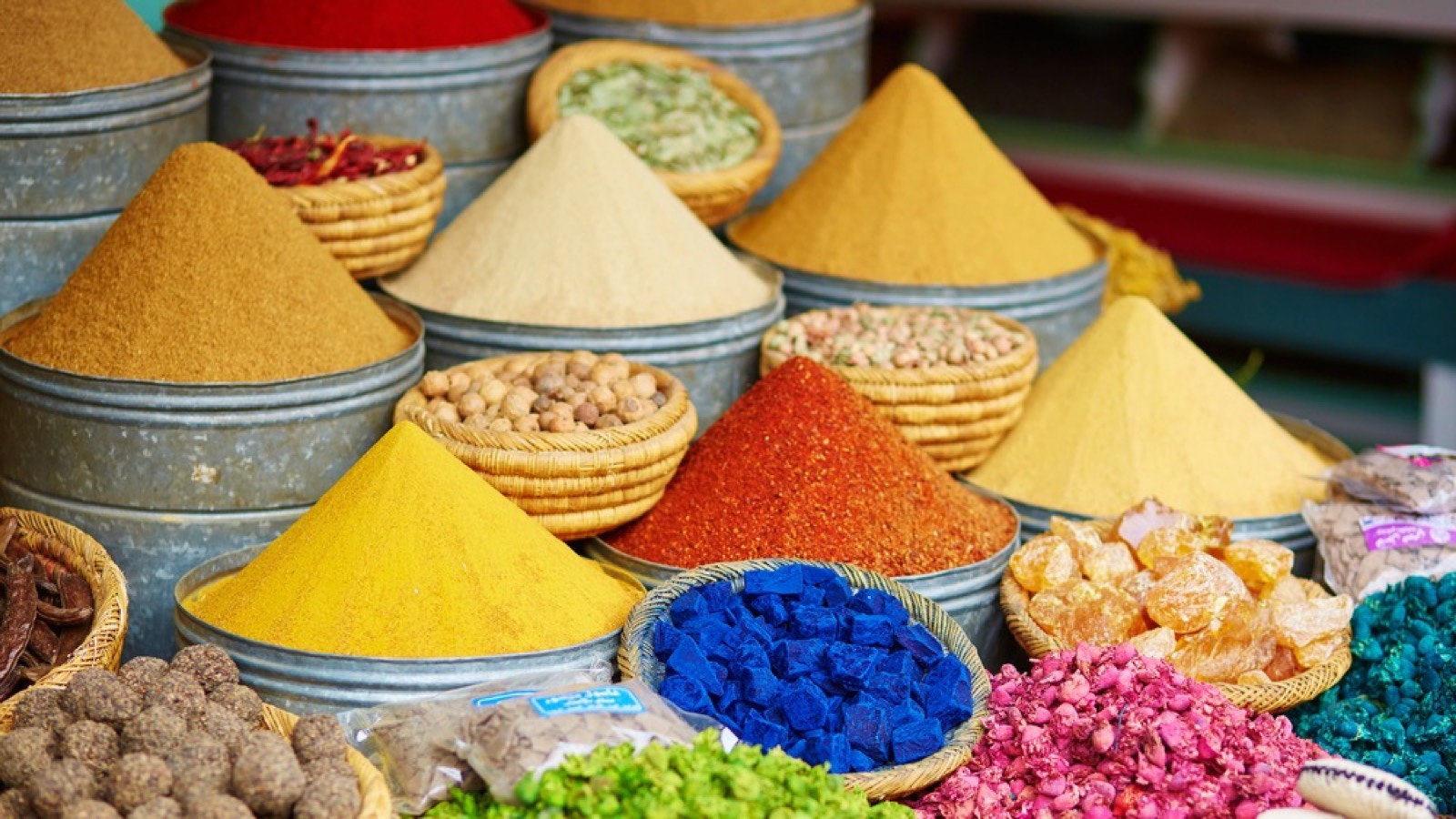
Black pepper is the most common spice in America today, sitting on nearly every dinner table next to the salt. But for centuries, it was a luxury. Pepper grew in southern India, and getting it to Europe meant a long, dangerous journey through many hands, with each trader adding to the price.
In ancient and medieval times, pepper was so valuable it was sometimes used like money. People paid rent, taxes and even dowries with peppercorns. When the Visigoths besieged Rome in the year 410, historians say their demands included thousands of pounds of pepper. Today, a big container of it costs less than a fast-food meal.
2. Nutmeg
Nutmeg once came from just one place in the world: a handful of tiny islands in what is now Indonesia, called the Banda Islands. That made it incredibly rare and valuable in Europe, where it was a status symbol for the wealthy. At times, a small bag could be worth a fortune.
European powers fought brutally to control those islands. The Dutch were so eager to own the nutmeg island of Run that, at the end of a war in 1667, they let the English keep Manhattan instead. HowStuffWorks explains that the “trade” is a simplification, but the treaty really did leave the Dutch with Run and the English with Manhattan.
3. Cinnamon
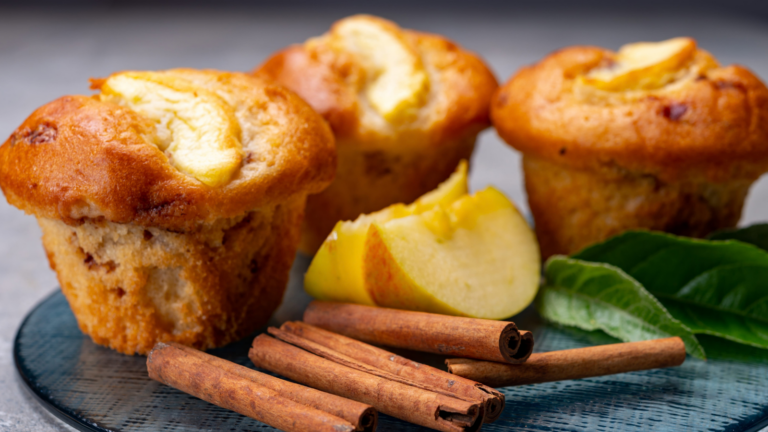
Cinnamon comes from the inner bark of certain trees, and for centuries, Arab traders kept its true source a secret. They told wild stories about giant birds that built nests from cinnamon sticks on high cliffs, which helped keep prices sky-high and competitors away.
Cinnamon came largely from Sri Lanka, and Portuguese, Dutch and British traders all fought to control the trade over the centuries. In Europe, it was a luxury used by the rich in spiced wine and fancy desserts. Today, cinnamon is so cheap and common that we sprinkle it on coffee, toast and applesauce without thinking twice.
4. Cloves
Cloves are the dried flower buds of a tree that, like nutmeg, originally grew only on a few islands in Indonesia, known as the Spice Islands. Their strong, warm flavor made them highly prized in Europe and Asia, and their rarity made them extremely expensive.
The Dutch East India Company tried to keep a monopoly on cloves by limiting where the trees could grow, even destroying trees on islands they didn’t control. Eventually, a French official smuggled clove seedlings out in the 1700s, and the trees were planted in other parts of the world. That broke the monopoly, and prices tumbled over time.
5. Vanilla
Vanilla comes from an orchid native to Mexico, and for a long time, it was nearly impossible to grow anywhere else. The flowers needed a specific bee to pollinate them, so vanilla plants taken to other countries produced no beans at all.
That changed in 1841, when a 12-year-old enslaved boy on the island of Réunion, named Edmond Albius, figured out a quick way to pollinate the flowers by hand. His method is still used today. It made vanilla farming possible around the world, though vanilla remains one of the more expensive spices because the work is still done by hand.
6. Saffron
Saffron is the one spice on this list that is still very expensive. It comes from the tiny red threads inside crocus flowers, and each flower has only three. Workers have to pick them by hand, and it takes many thousands of flowers to make a single pound of saffron.
In the past, saffron was so valuable that people were punished for selling fake versions. It was used to color and flavor dishes for royalty and to dye fabric. Today, you can buy a tiny jar at the grocery store, but it’s still one of the priciest items in the spice aisle. That’s why most recipes call for just a pinch.
7. Ginger
Ginger was one of the earliest spices traded between Asia and Europe, and in medieval England, it was a costly luxury. A pound of ginger could cost about as much as a sheep. It was used to flavor meats, sauces and sweets, especially at holiday feasts.
As trade routes improved and ginger was grown in more places, the price dropped. It became cheap enough for ordinary families to use in baking. That’s how we got gingerbread, gingersnaps and ginger ale, all of which became American favorites. Today, a fresh knob of ginger costs just a dollar or two.
How Spices Became Cheap
Spices became affordable as trade routes opened, plants were grown in new places and shipping got faster. Monopolies broke down, and competition drove prices down. By the 1800s and 1900s, many spices were available to ordinary families, and American kitchens filled with them. The story of the spice trade even shaped the founding of New York.
American cooks also found new ways to use them. Pumpkin pie spice, apple pie spice and chili powder all became pantry staples in the 1900s, blending several once-precious spices into one handy jar. Companies like McCormick, founded in Baltimore in 1889, helped put a full spice rack within reach of nearly every family.
Grandma’s spice rack was full of things that would have made a medieval king jealous. And many of those kitchen staples grandmothers kept within arm’s reach have stories just as surprising. Which spice could you never live without? Did any of these stories surprise you?