7 Grocery Store Counters That Have Almost Disappeared
The grocery store of the 1960s was full of counters, and behind each one stood a person who knew the job inside and out. There was someone to cut your meat, someone to slice your cheese, and someone to take your photos for developing. Shopping meant talking to people, asking questions, and waiting your turn.
Over the decades, many of those counters have shrunk or vanished. Pre-packaged products, self-service shelves, and cost-cutting have replaced much of the personal service that once defined a trip to the market. Some stores still keep a few counters, but they are a shadow of what they used to be.
For boomers who remember the old way, the change is striking. Here are seven grocery store counters that have almost disappeared, and what shoppers lost when they went away.
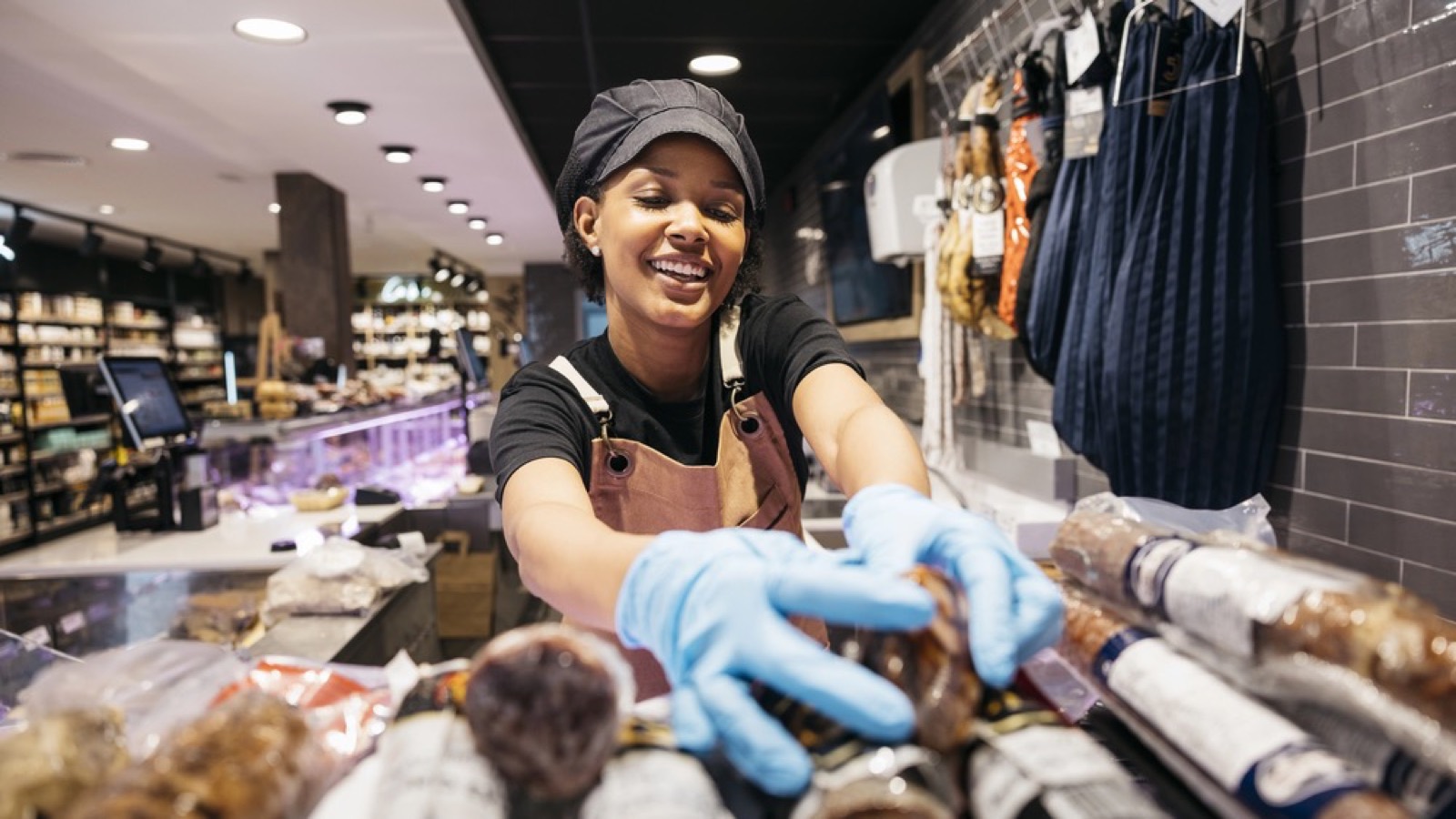
1. The Full-Service Butcher Counter
In the past, nearly every grocery store had a butcher who cut meat to order. Customers could ask for thick pork chops, a rolled roast, or a special cut for a holiday dinner. The butcher might suggest cooking times and even share a recipe or two.
Today, most meat arrives at stores already cut and wrapped in plastic. It is stacked in refrigerated cases, and shoppers pick it up without speaking to anyone. Many stores still have a meat counter, but it often offers only a limited selection.
For older shoppers, the loss of the butcher is one of the biggest changes. They miss the advice and the ability to get exactly what they wanted. Specialty butcher shops have made a small comeback in some cities, but they can be expensive.
2. The Candy Counter
In many neighborhood stores, a glass candy counter sat near the register. It held penny candy in jars, sold by the piece. Children pressed their faces against the glass and carefully picked out their treats with a few coins.
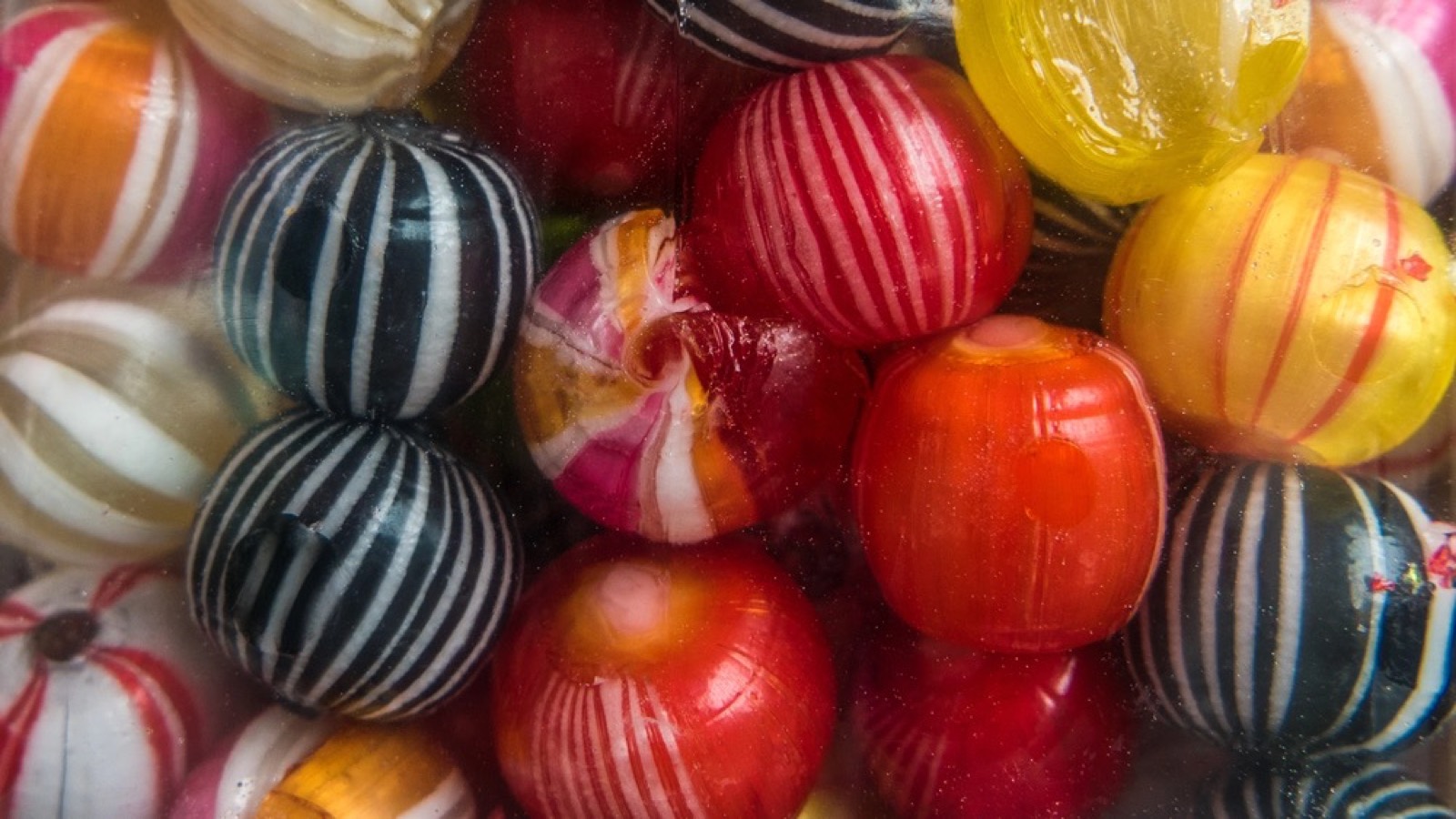
Candy is now sold in sealed packages on racks near the checkout. The days of buying a single piece of licorice or a handful of candy for pennies are mostly gone. Some old-fashioned candy shops still sell candy by the piece, often as a nostalgic novelty.
For many boomers, the candy counter is a sweet memory. It taught them how to count money and make choices. It was also one of the great joys of going to the store with Mom, among other boomer childhood things that have vanished.
3. The Cheese Counter With a Wheel
Many grocery stores once kept a big wheel of cheddar on the counter, covered with a glass dome. The clerk cut a wedge to order and wrapped it in paper. Customers could ask for a taste before buying.
Now, most cheese comes pre-sliced, shredded, or wrapped in plastic. Specialty cheese counters exist in some upscale stores, but they are less common in everyday supermarkets. The simple wheel of cheddar on the counter is a rare sight.
Older shoppers say that cheese cut fresh from the wheel tasted better. They also enjoyed the conversation and the chance to sample. It was part of a slower, more personal way of shopping.
4. The Photo Developing Counter
For decades, many grocery stores and pharmacies offered photo developing. Customers dropped off rolls of film and picked up their prints a few days later. Opening the envelope to see how the pictures turned out was a moment of suspense.
With the rise of digital cameras and smartphones, film developing has nearly disappeared. Some stores still offer photo printing kiosks, but most people now keep their photos on their phones. The excitement of seeing a fresh set of prints is something younger generations may never know.
Many boomers still have shoeboxes full of prints from those counters. They capture birthdays, vacations, and family gatherings. Those photos are among the most treasured family keepsakes in decades past.
5. The Bottle Return Counter
In the days of glass soda and milk bottles, customers returned empties to the store for a deposit refund. A clerk at the counter counted the bottles and handed back a few cents for each one. Children collected bottles from roadsides to earn candy money.
Today, most bottles are plastic or aluminum and simply tossed in recycling bins. A number of states still have bottle deposit laws, and some use self-service machines. But the old return counter with a clerk is mostly gone.
For many boomers, returning bottles was a childhood job and a way to earn pocket money. It also taught them the value of reusing things. It was one of those frugal habits that are getting a second look today.
6. The Check-Cashing and Courtesy Counter
Many grocery stores once had a courtesy counter where customers could cash checks, pay utility bills, buy money orders, and pick up stamps. It was a one-stop shop for household errands. Some stores even let trusted customers run a tab.
As banking moved online, many of these services disappeared or were reduced. Some stores still offer money orders or bill payment, but the old-fashioned courtesy desk is less busy. Customers now handle most of these tasks on their phones.
Older shoppers appreciated the convenience and personal touch. They could finish several errands in one trip. Many miss the friendly staff who knew their names.
7. The Fresh Fish Counter
In the past, many grocery stores had a fresh fish counter with whole fish displayed on ice. The fishmonger would clean, scale, and fillet them on request. Customers could ask what was freshest that day.
Many supermarkets have reduced or removed their fish counters. Seafood often comes frozen or pre-packaged. Specialty fish markets still exist, but they are less common in many areas.
For families who ate fish on Fridays, the fish counter was a weekly stop. Its decline reflects broader changes in how people buy and cook seafood. Many shoppers now rely on frozen fillets and quick recipes.
Why These Counters Disappeared
Most of these counters disappeared because of cost. Skilled staff are expensive, and pre-packaged products are cheaper to sell. Stores also found that many customers preferred the speed of self-service.
Changing technology played a role as well. Digital photos, online banking, and recycling programs replaced many old services. Supermarkets adapted to these changes.
The Return of Personal Service
Some stores are bringing back old-fashioned counters to stand out. Specialty butchers, cheese shops, and fishmongers have become popular with food lovers. Shoppers are willing to pay more for quality and advice.
For boomers, these counters bring back fond memories of a slower time. Which grocery store counter do you miss the most, and what do you remember about the person who worked behind it?