7 Hidden Dangers of Social Media That Can Seriously Affect Your Life in 2026
Hidden Dangers of Social Media can affect sleep, focus, confidence, relationships, privacy, and mental health. Learn seven major risks and simple ways to use social media more wisely.
It Can Quietly Damage Your Sleep
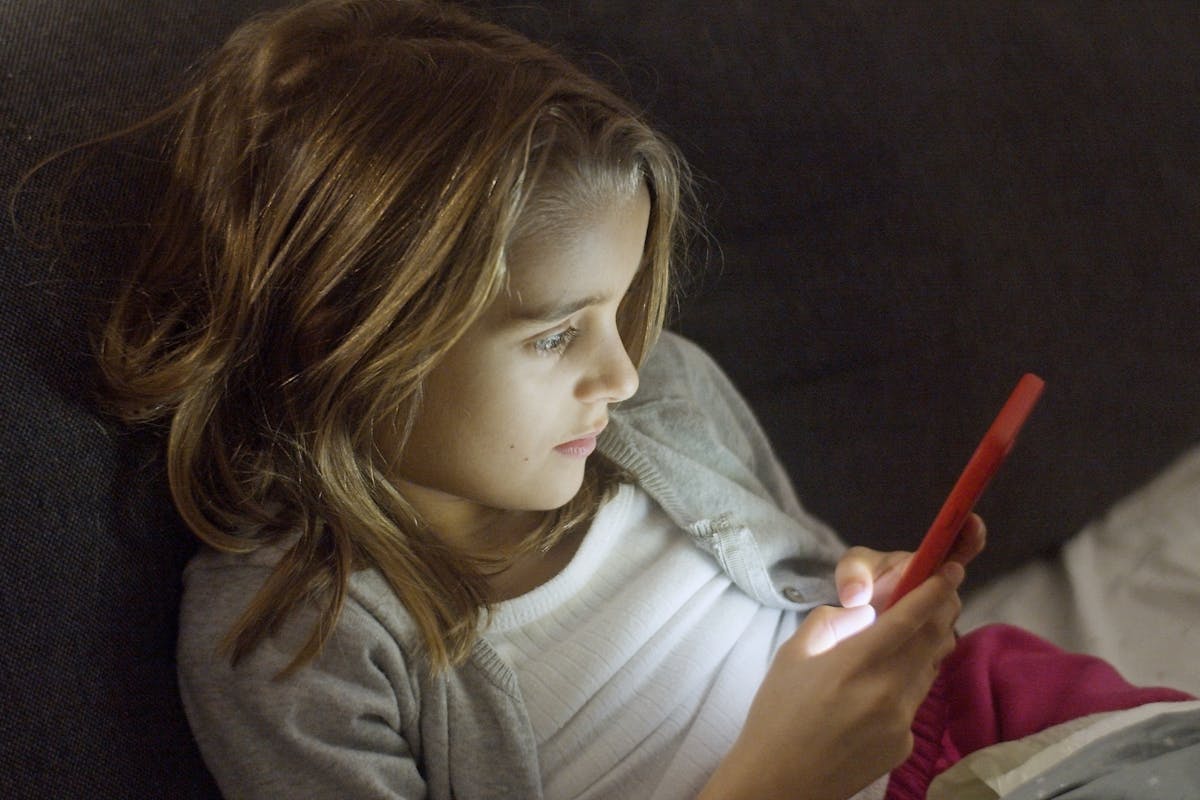
One of the most common Hidden Dangers of Social Media is poor sleep. It often starts innocently. You open an app for five minutes before bed, then suddenly it’s past midnight, your eyes feel dry, and your brain is still buzzing.
The CDC has linked screen use, sleep, physical activity, and teen mental health in recent public health research, noting that limited sleep and limited activity are connected to negative mental health outcomes such as anxiety and depression.
A simple fix is to move your phone away from the bed. Set a cut-off time at least 30 minutes before sleep. Use an alarm clock instead of your phone alarm. These changes sound small, but small changes are easier to keep.
It Can Shorten Your Attention Span
Social media trains the brain to expect fast rewards. One second you’re watching a recipe, then a dance, then a fight, then a travel clip, then a shocking headline. The brain gets used to quick switches. After that, slower tasks like reading, studying, writing, or listening in a meeting can feel boring.
The solution isn’t to shame yourself. Your brain is responding to repetition. If you practice distraction daily, distraction becomes easier. If you practice focus daily, focus can return. Try single-tasking for 20 minutes. Put the phone in another room. Read without switching tabs. Let boredom sit for a minute before you run from it.
It Can Fuel Comparison and Low Confidence

Social media shows people’s edited highlights, but the brain often reads them like real life. Someone’s vacation, body, relationship, home, outfit, or success can make your own life feel smaller. Even when you know the photo is filtered, the feeling can still land.
Body image is a major concern. The U.S. Surgeon General’s guidance says 46% of adolescents ages 13 to 17 reported that social media makes them feel worse about their body image.
A healthier habit is to audit your feed. Unfollow accounts that make you feel ashamed, angry, or “less than” every time you see them. Follow people who teach, encourage, entertain, or add real value. Your feed is not just entertainment. It is an environment.
It Can Make Anxiety Feel Louder
Social media can turn small worries into loud ones. A person may post something and keep checking likes. Another may read bad news for an hour and feel unsafe. Someone else may see friends together and feel rejected, even without knowing the full story. The mind starts filling gaps with fear.
The American Psychological Association has advised that adolescents should be screened for problematic social media use when it affects daily routines, roles, and functioning. That advice matters because the issue is not simply “using social media.” The issue is losing control over how much it shapes mood and behavior.
A Simple Self-Check: Ask yourself three questions. Do I feel better or worse after using this app? Am I choosing to scroll, or am I escaping something? Would I be embarrassed to know exactly how many hours I spent here this week? Honest answers can show where change is needed.
It Can Expose You to Cyberbullying and Hate

Cyberbullying is one of the most painful Hidden Dangers of Social Media because it follows people home. In the past, bullying often ended when someone left school or work. Now, harmful comments, group chats, rumors, edited images, and public insults can keep spreading all day and all night.
People should not be told to “just ignore it” when online harm becomes serious. Screenshots, blocking, reporting, and telling a trusted adult or authority can help. If threats, sexual harassment, blackmail, or stalking appear, it becomes a safety issue, not just drama.
It Can Weaken Real-Life Relationships
Social media promises connection, yet it can quietly weaken real-life relationships. A couple can sit together while both stare at separate feeds. A parent can miss a child’s story because a notification stole the moment. Friends can mistake views and likes for real support, then feel shocked when no one shows up during a hard time.
The danger is not that the online connection is fake. Many online friendships are real and meaningful. The danger is when shallow contact replaces deeper care. A heart emoji can be kind, but it can’t always replace a voice call, a visit, a meal, or a long, honest conversation.
This is where balance helps. We can use social media to start a connection, then carry that connection into real life. Send the message, but also make the call. Like the birthday post, but also remember the person privately. Watch the update, but ask a real question.
It Can Put Your Privacy at Risk

Privacy is one of the least obvious Hidden Dangers of Social Media. Many people share more than they realize. A birthday post can reveal age. A school photo can reveal location. A travel update can show that a home is empty. A casual complaint can expose workplace details. A quiz can collect personal information that may be used in ways the user never expected.
Oversharing can also affect reputation. Employers, clients, schools, partners, and strangers may see old posts without context. A joke that felt harmless years ago can look different later. Even deleted posts may be saved through screenshots.
Social media can still be useful, creative, and joyful. The key is to post with future-you in mind. Before sharing, ask yourself if the post reveals your location, private emotions, family details, money habits, workplace issues, or personal conflict. If the answer is yes, pause.
Conclusion
The Hidden Dangers of Social Media are real, but they don’t have to control your life. Social media can connect us, teach us, entertain us, and open doors. At the same time, it can steal sleep, weaken focus, feed comparison, increase anxiety, expose people to cruelty, strain relationships, and put privacy at risk.
The goal is not panic. The goal is awareness. When we use social media with clear limits, healthier feeds, stronger privacy habits, and more offline connections, we take back control. The best version of online life should support your real life, not quietly replace it.