7 Holiday Dishes Daughters-in-Law Are Afraid to Change
Hosting your first holiday dinner for your husband’s family is a big moment. For years, maybe decades, the meal has been made the same way at his mother’s house. Everyone knows what to expect, from the way the rolls are served to the dish that sits at the end of the table every single year. Then one day, the job passes to you.
Many daughters-in-law say this is when they discover just how attached families are to their holiday traditions. You might want to try a new recipe, use fresh ingredients or skip a dish you have never liked. But change the wrong thing, and you may hear about it for years. As one popular saying goes, holidays are not the time to experiment.
Some dishes carry so much history that daughters-in-law simply do not dare touch them. Here are seven holiday dishes that many daughters-in-law say they are afraid to change, and why these foods mean so much to the families who love them.
1. Canned Cranberry Sauce With the Ridges
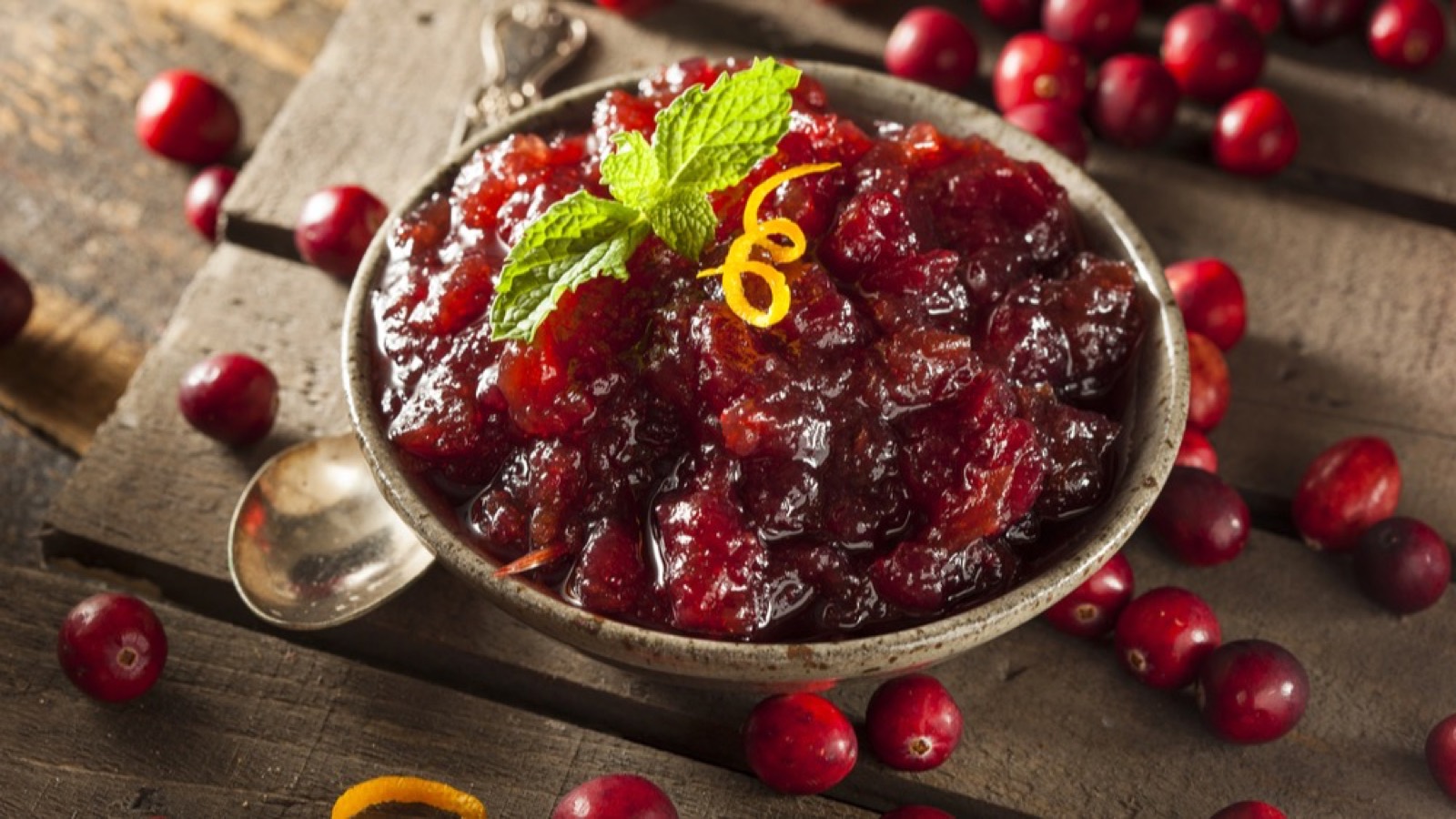
A food lover might want to make homemade cranberry sauce with fresh berries, orange zest and a little sugar. But in many families, the only acceptable cranberry sauce is the one that slides out of the can in one piece, ridges and all, and gets sliced into rounds on a little dish.
Ocean Spray began selling canned jellied cranberry sauce in 1941, and it has been on American holiday tables ever since. Plenty of daughters-in-law have learned that serving only the homemade version can cause an uproar. Many now make both, just to keep everyone happy.
2. The Jell-O Salad
To younger cooks, a molded gelatin salad can seem like a relic of the past. But in many families, especially in the Midwest and South, a holiday is not complete without it. It might be lime Jell-O with pineapple and cottage cheese, strawberry pretzel salad or a red gelatin ring with fruit suspended inside.
These salads were a symbol of modern cooking in the 1950s and ’60s, and the recipes were often passed down from grandmothers. A daughter-in-law who decides to leave it off the menu may find that someone quietly asks, “Where’s the Jell-O?” before the turkey is even carved.
3. Green Bean Casserole
This dish has been a Thanksgiving fixture since the 1950s, when it was created in the Campbell Soup Company’s test kitchen. The classic version uses canned green beans, cream of mushroom soup and crispy fried onions on top.
Some daughters-in-law want to update it with fresh green beans and a homemade mushroom sauce. But many families insist on the original version, exactly as it has always been made. Changing it can feel, to some relatives, like changing the holiday itself.
4. Sweet Potatoes With Marshmallows
Sweet potato casserole topped with toasted marshmallows is a love-it-or-hate-it dish, but in families that love it, it is not optional. The sweet, gooey topping is often the first thing children remember about holiday dinners.
Some daughters-in-law prefer a pecan streusel topping or a savory sweet potato dish. But many quickly learn that the marshmallow version has devoted fans, often including their husbands. Some families now serve half the dish with marshmallows and half with pecans to settle the debate.
5. Deviled Eggs
In many families, especially in the South, a holiday meal always starts with a plate of deviled eggs. The recipe may be simple, with mayonnaise, mustard and a dusting of paprika, but the details matter. Some families add pickle relish, others use a specific brand of mayonnaise and some insist on a special deviled egg plate that has been in the family for decades.
A daughter-in-law who tries a new twist, such as bacon, avocado or hot sauce, may get compliments from her own friends but blank stares from her husband’s relatives. Many say they keep the original version and save their experiments for other occasions.
6. The Same Brand of Dinner Rolls
It may sound silly, but many families have strong feelings about their dinner rolls. Some always serve a specific brand of brown-and-serve rolls, while others insist on Grandma’s homemade yeast rolls or Parker House rolls brushed with butter.
Daughters-in-law who swap in fancy artisan bread or a different store brand may be surprised by the reaction. For many families, those rolls are tied to childhood memories of reaching across the table for a warm one, and nothing else tastes quite the same.
7. Pumpkin Pie With a Specific Topping
Pumpkin pie is the centerpiece of the Thanksgiving dessert table, and many families have firm rules about how it should be served. Some insist on Cool Whip, others on real whipped cream from a can and some on whipped cream made from scratch. The pie itself is often made from the recipe on the back of the Libby’s pumpkin can, a recipe many families have used for generations.
A daughter-in-law who decides to make a chai-spiced pie or a pumpkin cheesecake instead may find that the relatives still want the classic version. Many hosts now serve the traditional pie alongside their own creation, letting everyone choose.
What Mothers-in-Law Say About It
Many mothers-in-law are surprised to learn how nervous their daughters-in-law feel. Some say they would welcome a new dish or two and never meant to make anyone feel pressured. Others admit they are attached to certain recipes and feel a pang when they are changed.
An honest conversation before the holiday can help both sides. A daughter-in-law might ask which dishes matter most, and a mother-in-law might offer to bring her own version of a beloved classic. That small exchange can turn a stressful first holiday into the start of a warm new tradition.
Why These Dishes Matter So Much
Holiday foods are not just about taste. They are tied to memories of childhood, family members who have passed away and years of shared celebrations. When a dish changes, it can feel to some relatives like part of that history is being lost.
For daughters-in-law, understanding that emotional connection can make the holidays smoother. The goal is not to cook exactly like his mother, but to honor the traditions that matter most to the family.
How to Add Your Own Touch Without Starting a Feud
Many daughters-in-law find a balance by keeping the classic dishes and adding one or two of their own. Over time, those new dishes may become traditions too, passed down to the next generation.
It also helps to ask. Talking with your mother-in-law or husband about which dishes are untouchable can save a lot of stress. Some mothers-in-law are happy to share their recipes or bring their signature dish, which takes pressure off the new host. With a little patience, the holiday table can hold the old favorites and the new ones side by side, and that may be the best tradition of all.