7 Holiday Traditions Boomers Started That Their Kids Are Dropping
For many baby boomers, the holidays were built on traditions they created for their own families in the 1970s and 1980s. They mailed stacks of Christmas cards, hosted big open houses for the neighbors and made sure every gift under the tree was wrapped perfectly. Those rituals felt like the heart of the season.
Now, many of those same boomers are watching their adult children celebrate differently. Some traditions have been simplified, others have been replaced and a few have disappeared altogether. It’s not always because younger generations don’t care. Often, it’s busy schedules, smaller budgets, scattered families or simply different priorities.
For boomers, watching these changes can bring a mix of feelings, from understanding to quiet sadness. Here are seven holiday traditions many boomers started or kept alive that their kids are letting go of, and why the change is happening.
1. Mailing a Big Stack of Christmas Cards
Many boomers spent evenings in December addressing dozens of Christmas cards, sometimes with a family photo tucked inside or a long holiday letter summing up the year. Getting the mail each day was exciting, and the cards were displayed on the mantel or taped around a doorway.
Younger adults are far more likely to send a quick text, post a family photo on social media or skip cards entirely. The cost of stamps and photo cards adds up, and many feel that staying in touch online all year makes the annual card less necessary. Plenty of boomers still mail theirs, though, and they notice who sends one back.
2. Hosting a Neighborhood Open House
In many neighborhoods of the 1970s and 1980s, holiday open houses were a big deal. Families invited friends, neighbors and coworkers over for drinks, cookies and a buffet table full of appetizers. People drifted in and out all evening, catching up with folks they didn’t see often enough.
Today, fewer people know their neighbors well, and many younger adults prefer small gatherings with close friends. Hosting a big party also takes time and money that busy young families may not have. The open house hasn’t disappeared, but it’s become far less common than it used to be.
3. Wrapping Every Gift by Hand
Boomer parents often stayed up late on Christmas Eve wrapping gifts in coordinated paper with bows and ribbons, sometimes with each child getting their own color or pattern. It was part of the magic, and the wrapping could take hours.
Many younger parents rely heavily on gift bags, which are quicker and can be reused year after year. Others have gifts wrapped at the store or delivered already wrapped. Some families have even moved to fewer gifts overall, focusing on experiences instead of piles of presents under the tree.
4. Driving to See Every Relative
For many boomer families, the holidays meant a long road trip or a whirlwind of visits, stopping at Grandma’s house, then an aunt’s, then the other side of the family, sometimes all in one day. Nobody wanted to miss anyone, and it was exhausting but expected.
Younger families are more likely to set boundaries around travel. Some alternate holidays between families each year, while others host their own celebration at home and invite relatives to come to them. Long travel days with small children and high costs have made many young parents rethink the marathon.
5. A Formal Sit-Down Dinner With the Good China
Many boomers remember holiday dinners served on the good china, with cloth napkins, polished silverware and crystal glasses brought out only a few times a year. Setting that table was a tradition in itself, often passed down from their own mothers.
Their adult children often prefer a more relaxed approach, like a buffet, a potluck or even a casual meal on everyday dishes. Many younger adults don’t want fine china at all, which is why so many boomers are struggling to find someone to inherit theirs. Even the habit of saving the china for special occasions says a lot about a person. For some families, the tradition lives on only once a year at Grandma’s.
6. Watching the Same Holiday Specials Together
In the days before streaming, families planned their evenings around holiday TV specials. Boomers remember gathering around the television to watch “A Charlie Brown Christmas,” “Rudolph the Red-Nosed Reindeer” and other classics when they aired, because if you missed them, you had to wait a whole year.
Today, those specials are available whenever families want them, and kids have endless options to choose from. The shared experience of watching together at the same time is far less common. Some families keep the tradition alive by setting a specific night for a holiday movie, but it’s no longer something everyone does.
7. Midnight Church Services as a Family
For many boomer families, attending a Christmas Eve service, sometimes at midnight, was a cherished tradition. The candles, carols and late-night drive home under the stars made the evening feel special. It was often the most crowded service of the year.
Religious attendance has declined among younger generations, according to Pew Research, and many young families no longer make church part of their holiday plans. Others attend an earlier service that works better with small children. For boomers who held this tradition dear, it can be one of the hardest changes to accept.
Why Traditions Are Changing
Most of these shifts aren’t about rejecting family. They’re about changing lifestyles. Younger adults often live farther from their parents, work longer or less predictable hours and face higher housing and childcare costs. Many also want holidays to feel less stressful and more personal.
There’s also the simple fact that every generation creates its own traditions. Boomers themselves didn’t celebrate exactly like their parents did, and they likely dropped a few customs from the 1950s along the way. Some of those strange traditions were bound to fade eventually.
Finding Middle Ground
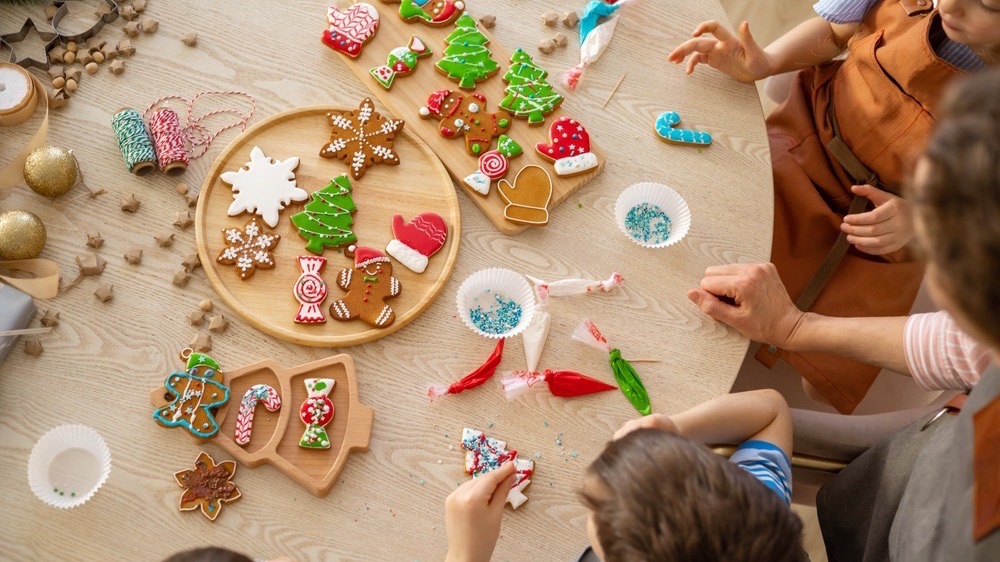
The good news is that many families are finding ways to blend old and new. A boomer grandmother might teach her grandkids to bake her famous cookies, while the young parents start a new tradition like a holiday pajama night or a volunteer outing. Traditions don’t have to disappear to evolve.
If there’s a tradition that matters deeply to you, it may be worth sharing why with your children and grandchildren. You might be surprised how willing they are to keep it alive once they understand what it means to you. After all, many of the best holiday memories come from moments that bring different generations together.