8 State Fair Foods Your Grandparents Loved That You Won’t Find Anymore
For generations of American families, the state fair was the biggest event of the year. Farm families drove for hours to show off their livestock and pies, city kids rode the Ferris wheel for the first time, and everyone saved a little money to spend on food they could not get anywhere else.
Today’s fairs are famous for wild deep-fried creations, from fried butter to fried soda. But the fairs your grandparents attended in the 1940s, 1950s, and 1960s had a very different menu. The food was simpler, often homemade, and usually sold by church groups, farm bureaus, and local clubs rather than big traveling vendors.
Some of those treats have survived, but many have faded or changed so much that older fairgoers barely recognize them. Here are eight state fair foods your grandparents loved that you will have a hard time finding today.
1. Corn Dogs Made From Scratch
The corn dog became a fair classic in the 1940s and 1950s. Several people claimed to have invented it, including Neil Fletcher, who introduced his Fletcher’s Corny Dogs at the State Fair of Texas, and Ed and Carl Waldmire’s “Cozy Dog” in Springfield, Illinois. Early versions were dipped by hand in fresh batter and fried right in front of customers.
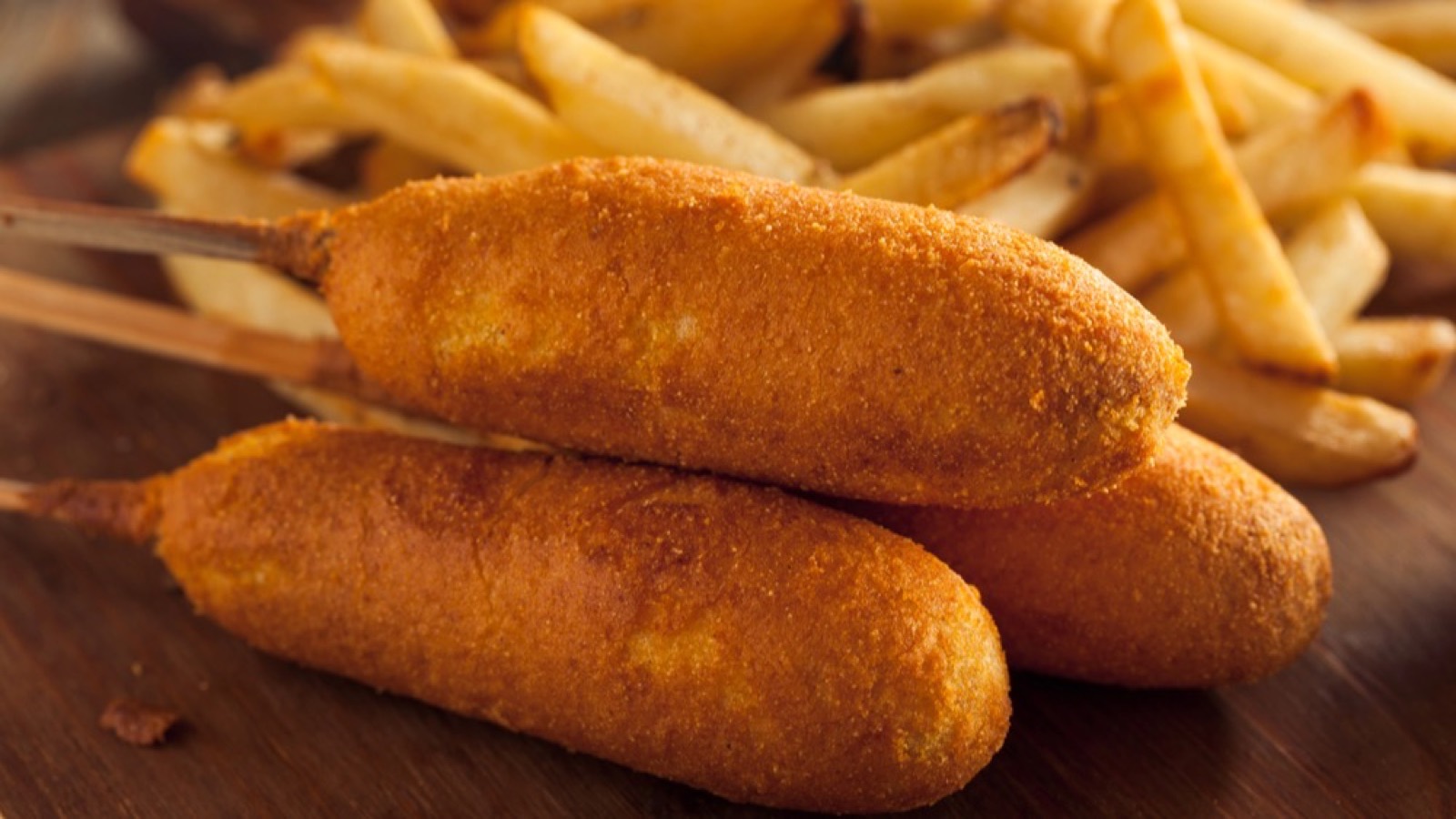
The corn dog has survived, of course. But many fairgoers say today’s versions taste different. Frozen, pre-made corn dogs have replaced many of the hand-dipped originals, though some legendary stands still make them the old way.
For older visitors, a hand-dipped corn dog is one of the American foods that have earned their fame. The real thing is worth seeking out.
2. Church Booth Pie by the Slice
At many fairs, the best food came from church and community booths. Women from local congregations baked pies at home for days, then sold them by the slice in a wooden stand near the exhibition halls. Apple, cherry, rhubarb, and lemon meringue were common, and the money went to the church.
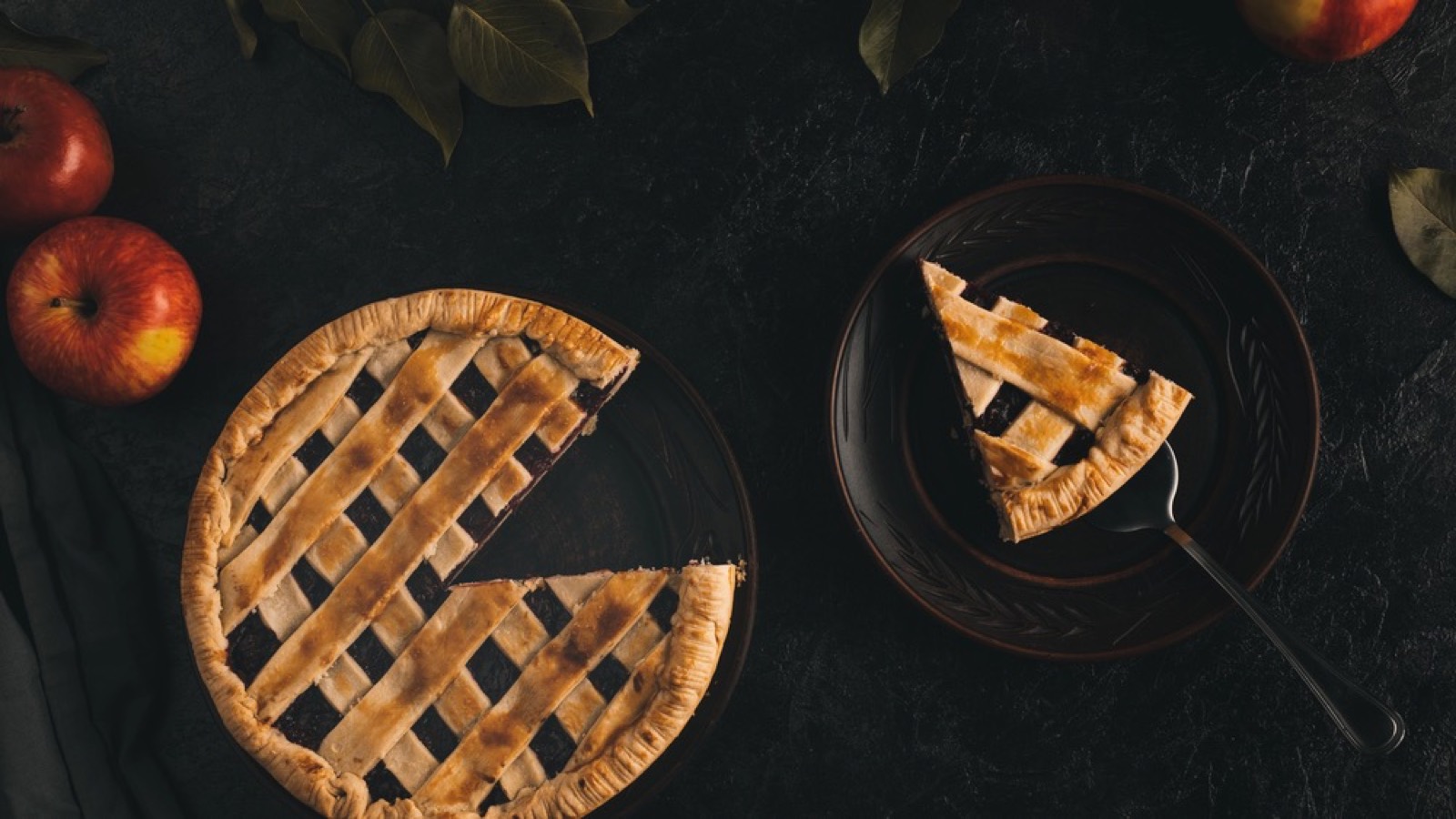
These booths were run almost entirely by volunteers. Many families stopped at the same church stand every single year. Some booths also sold homemade sandwiches, coffee, and ham-and-bean soup.
Church food stands still exist at some fairs, but there are far fewer of them. Rising costs, food safety rules, and a shortage of volunteers have pushed many out. Their disappearance is a loss for anyone who remembers a slice of Grandma’s church pie.
3. Homemade Root Beer From a Barrel
Before every fair had soda machines and branded cups, many stands served root beer from a big wooden barrel. Some of it was brewed locally, and it was poured ice cold into paper cups or heavy glass mugs. On a hot August afternoon, it was the most refreshing drink on the grounds.
Root beer stands were especially common in the Midwest, where small bottlers and family businesses supplied fairs and picnics. The drink was often sweeter and spicier than modern bottled versions.
A few fairs still have old-fashioned root beer stands, and some have kept the same recipe for decades. But most visitors now grab a bottle of name-brand soda instead.
4. Sugar Waffles and Sweet Waffle Cones Made on the Spot
Long before funnel cake became the classic fair dessert, many fairs offered thin, crisp sugar waffles pressed on hot irons and dusted with powdered sugar. Ice cream stands rolled fresh waffle cones by hand, filling the air with the smell of warm vanilla.
The waffle cone is closely tied to the 1904 World’s Fair in St. Louis, where a waffle seller is said to have helped an ice cream vendor who ran out of dishes. Whatever the real story, fair visitors fell in love with cones.
Many vendors now use mass-produced cones. A cone made fresh in front of you has become a rare sight at many fairs.
5. Taffy Pulled by Hand
Saltwater taffy is usually linked with the boardwalk, but taffy pullers were a common sight at fairs too. Vendors set up machines in their windows so crowds could watch the arms stretch and fold the candy. Some stands even had workers pulling taffy by hand on a hook.
Kids pressed their faces against the glass to watch. The taffy was then cut into pieces and wrapped in wax paper, and families carried home bags of it as souvenirs.
Hand-pulled taffy is still sold in some tourist areas, but it is far less common at state fairs now. Most taffy is factory-made and packaged long before it reaches the fairgrounds.
6. Fresh Popcorn Balls
Popcorn balls were a favorite fair snack in the early and middle twentieth century. Popped corn was coated in sticky syrup made from sugar, corn syrup, or molasses, then shaped by hand into balls the size of a softball. Some were dyed pink or green and wrapped in cellophane.
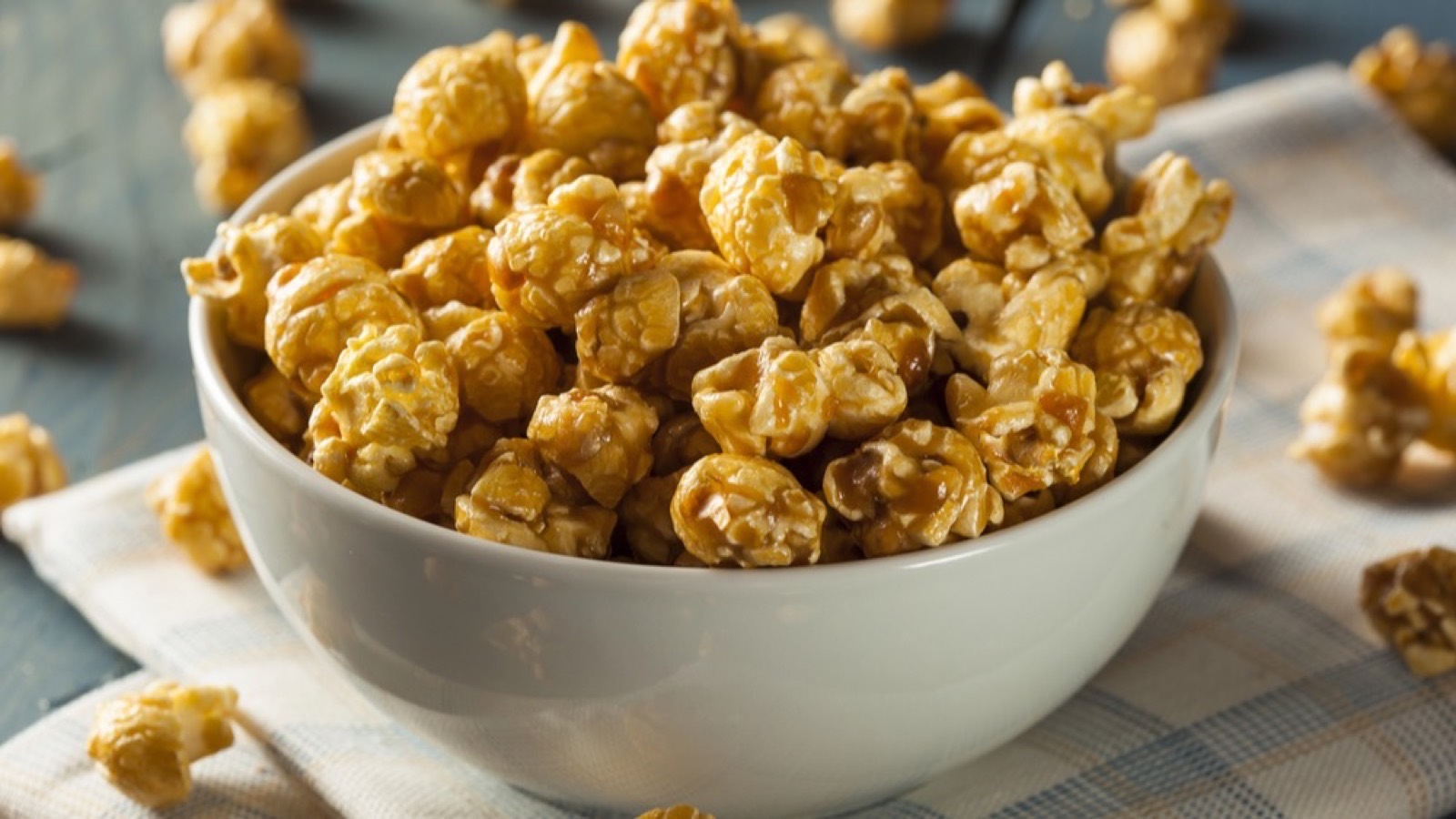
They were cheap to make and easy to carry while walking around the grounds. Many church and 4-H booths sold them to raise money. Popcorn balls were also a common homemade treat at Halloween.
Today, popcorn at the fair usually means kettle corn or buttered popcorn in a bag. The old-fashioned popcorn ball has almost disappeared from the midway.
7. Dairy Barn Milk by the Glass
Many state fairs had a dairy building where farmers and dairy associations sold ice-cold milk by the glass, often for just a few cents. Some offered all-you-can-drink milk for a small price. Chocolate milk was the favorite with kids.
The milk stands were a way for dairy farmers to promote their products. They also gave fairgoers a cheap, filling drink on a long day. The Minnesota State Fair is well known for its long-running all-you-can-drink milk stand, which still draws crowds.
At many other fairs, though, milk booths have shrunk or disappeared. Soda, lemonade, and energy drinks have taken their place.
8. Ham and Bean Suppers
At many county and state fairs in farm country, you could sit down to a hearty plate of ham and beans with cornbread. These suppers were often run by farm bureaus, Grange halls, or church groups. They were served on long tables under a big tent.
The meal was cheap, filling, and comforting. Farmers who had spent the day showing animals appreciated a real supper instead of snacks. Families sat together with neighbors they had not seen all summer.
As fairs became more commercial, many of these sit-down suppers disappeared. Food vendors took over the grounds, and the meals moved from long tables to paper trays. Many older visitors still remember the bean supper as the best part of the day.
How Fair Food Changed
State fair food began to change in the 1970s and 1980s, when traveling vendors started following fair circuits across the country. They brought standard menus of corn dogs, funnel cakes, cotton candy, and fried dough. Over time, fairs became famous for outrageous new foods designed to draw crowds and media attention.
Today, many fairs hold contests for the best new food creation. The State Fair of Texas awards its Big Tex Choice Awards each year, and the winners are often deep-fried surprises. Fair food has become a form of entertainment.
That shift has made fairs more exciting for younger visitors. But many older Americans miss the homemade pies, root beer, and church booths that once made the fair feel like a community celebration.
A Taste of the Past
For many grandparents, the state fair was more than a place to eat. It was a chance to see friends, celebrate the harvest, and enjoy a day away from the farm or the office. The food tasted better because it was shared.
Some of those old traditions still survive at small county fairs, where church groups and 4-H clubs keep the old recipes alive. Like many boomer favorites disappearing with Gen Z, they depend on people who care enough to keep them going.
What food did you always buy at the fair as a kid, and is it still sold today? Many readers say their favorite stand has been gone for years.