7 Lessons Women Learned in Grandma’s Kitchen That They Still Use Today
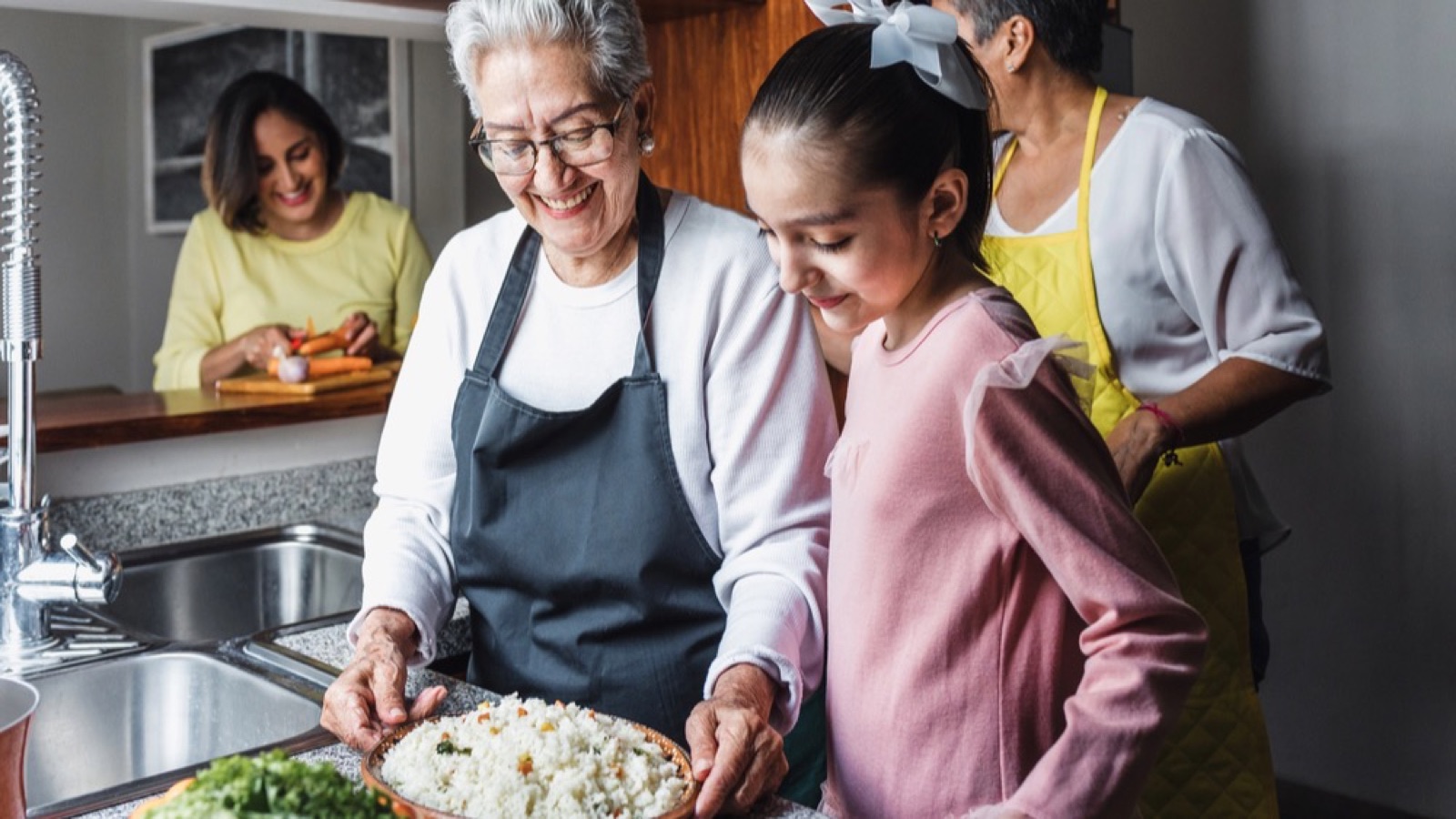
For a lot of women, the first cooking class wasn’t a class at all. It was a step stool pulled up to Grandma’s counter, a too-big apron tied twice around the waist and a wooden spoon handed over with a warning not to make a mess. Grandma didn’t lecture. She just let you watch, and then she let you try.
Years later, many of those same women catch themselves doing things exactly the way she did. They wipe the counter the same way, stack the bowls the same way and say the same little phrases while they stir. Some of those habits turned out to be plain old common sense, and a few are now backed up by professional chefs and test kitchens.
It’s funny how a kitchen can hold so many lessons that were never written down. Here are seven things women learned in Grandma’s kitchen that they still use every single day.
1. Clean as You Go
Grandma never let dishes pile up until the end. While the potatoes boiled, she washed the cutting board. While the roast rested, she wiped down the stove. By the time supper hit the table, the kitchen was nearly clean, and nobody had to face a mountain of pots after the meal.
It sounds simple, but it changes everything about how cooking feels. A tidy counter gives you room to work, and you’re far less likely to knock over a bowl or lose track of a measuring spoon. Many women who grew up with this habit say they simply can’t relax in a messy kitchen, which is the kind of practical wisdom you’ll find in plenty of lists of clever kitchen tricks that home cooks swear by.
2. Get Everything Out Before You Start
Before Grandma turned on a burner, she lined up what she needed. The flour came down from the shelf, the eggs came out of the fridge and the pans were set on the stove. If something was missing, she found out before she was halfway through a recipe, not after.
Chefs have a name for this. The Michelin Guide explains that “mise en place” is a French term that loosely means “in its place,” and it refers to gathering ingredients and equipment before cooking begins. The guide notes that it forces you to read the recipe first and helps you focus on one step at a time. Grandma may never have used the fancy phrase, but she lived by it.
3. Let the Butter and Eggs Warm Up
If you’ve ever been told to leave the butter on the counter before baking a cake, you can probably thank Grandma. She often pulled the butter and eggs out an hour or so early, long before the oven was even on. To her, it was simply how baking was done.
It turns out there’s real science behind it. King Arthur Baking explains that room-temperature eggs mean about 68°F to 70°F, and that creaming room-temperature butter and sugar creates tiny air bubbles that give a cake its structure. Adding cold eggs can cause trouble with that mixture. Grandma didn’t need a chart to know her cakes came out better when she waited.
4. Take Care of Your Pans, and They’ll Take Care of You
Many grandmothers had a cast iron skillet that seemed older than the house itself. It sat on the stove nearly all the time, and woe to anyone who soaked it in the sink overnight. Grandma would rinse it, dry it right away and often rub it with a little fat before putting it back.
That routine still holds up. Lodge, which has made cast iron since the 1890s, recommends washing with warm, soapy water, drying the pan completely and adding a thin layer of oil. The company warns that soaking a skillet, putting it in the dishwasher or letting it air dry can lead to rust. A lot of women still use the very skillet they learned on, and it’s often the first thing grandkids ask to inherit.
5. Nothing Goes to Waste
Grandma could turn almost anything into something useful. Stale bread became bread pudding or crumbs for meatloaf. A chicken carcass went into a pot with onion and celery for broth. Overripe bananas turned into banana bread, and the last bit of jam in the jar was stirred into a batch of thumbprint cookies.
Many women who grew up watching this still feel a little twinge of guilt when they throw food away. They save bacon grease in a jar by the stove, freeze vegetable scraps for soup and plan a “clean out the fridge” supper at the end of the week. It’s the same thrifty spirit behind so many of the old-fashioned recipes that are finding fans again today.
6. Plan Supper Before You Go to the Store
Grandma didn’t wander the aisles hoping for inspiration. She checked what was in the pantry, looked at the weekly grocery ad in the newspaper and wrote her list on the back of an envelope. Monday might be pot roast, Tuesday leftovers and Friday fish, all decided before she ever left the house.
That habit saved her time, and it took a lot of stress out of the week. Women who picked it up still sit down on Sunday to sketch out a few meals, even if their list now lives on a phone instead of an envelope. They’ll tell you that the hardest part of cooking isn’t making dinner. It’s deciding what dinner is going to be.
7. Write It Down and Pass It On
Grandma’s recipe box was a treasure chest. It held index cards covered in her handwriting, many of them splattered with butter or stained with vanilla. Some had notes in the margins, like “double for Christmas” or “Aunt Ruth’s way,” and a few had little stars next to the family favorites.
Many women have kept that habit alive. They copy recipes onto cards for their daughters, tuck handwritten notes into cookbooks or scan Grandma’s cards so every cousin gets a copy. Those cards are about more than food, because seeing her handwriting can bring back the sound of her voice in the kitchen. For a lot of families, the recipe box is the most treasured thing she left behind.
The Kitchen Was the Classroom
Grandma’s kitchen taught lessons that went far beyond cooking. It taught patience, planning and a respect for the food on the table, and it showed that a meal made with care could hold a family together. Many women still hear her voice in their heads every time they reach for the flour or wipe down the counter.
What’s the one lesson you picked up in your grandmother’s kitchen? Do you still clean as you go, save bacon grease or keep her recipe cards in a box on the shelf? Share your memories in the comments, and tell us which of these habits you’ve passed down to the next generation.