7 Mistakes People Make With Store-Bought Rotisserie Chicken
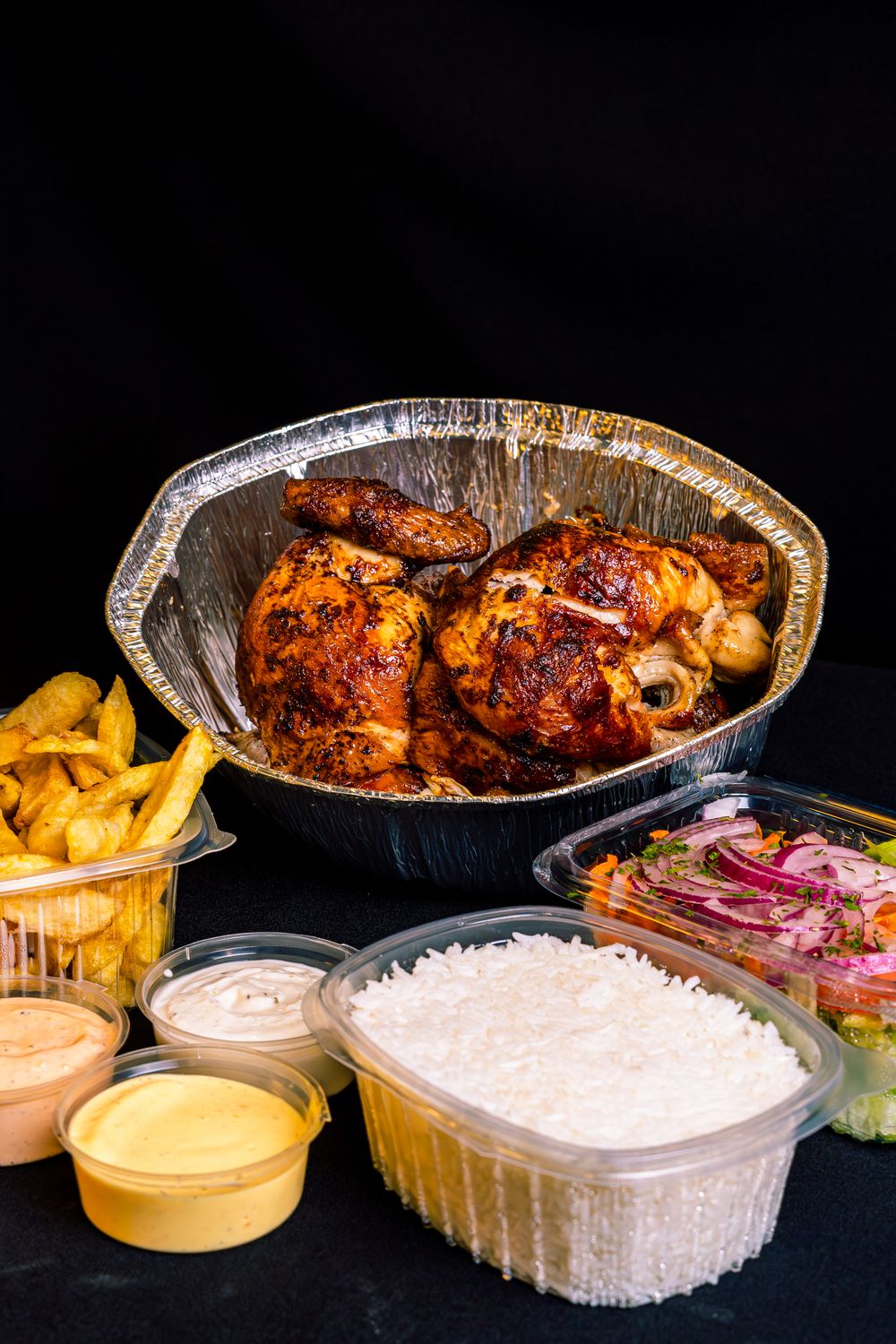
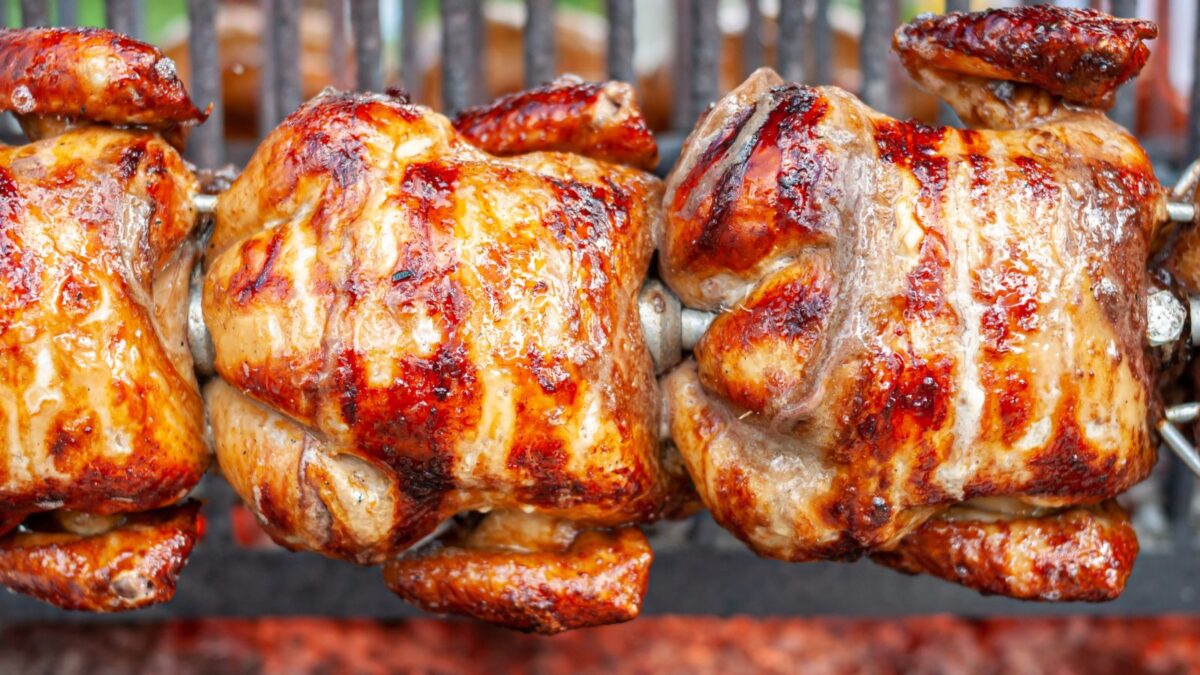
Store-bought rotisserie chicken might be one of the greatest shortcuts in the grocery store. It’s hot, ready to eat, and saves you from spending an hour in the kitchen wondering what’s for dinner. Just grab one, add a couple of sides, and you’re practically a dinner genius.
But here’s the catch. That convenient chicken can become a disappointing purchase if you don’t handle it properly. From letting it sit too long to reheating it until it’s dry, small mistakes can ruin the experience.
And let’s not forget the money. A 2026 Consumer Reports comparison found that rotisserie chicken prices varied significantly between retailers, so it’s worth thinking about what you’re actually getting.
Before you toss another chicken into your cart, here are seven mistakes to avoid.
Leaving Your Chicken in the Car While Running Errands
We’ve all done it. You stop at the grocery store, grab a hot rotisserie chicken, and suddenly remember you need to pick up a package, visit another store, or run one more errand.
Meanwhile, your chicken is sitting in the car.
Unfortunately, cooked chicken doesn’t get a free pass on food safety just because it’s already been roasted.
According to the CDC, perishable foods should be refrigerated within two hours. When temperatures exceed 90°F, that window shrinks to just one hour.
And yes, that includes a hot car.
The smarter move? Pick up your rotisserie chicken toward the end of your grocery trip and head straight home. If you plan to eat it later, refrigerate it right away.
Think of the chicken as your final grocery stop, not your afternoon shopping companion.
Waiting Until the Entire Chicken Cools Before Refrigerating It
An old kitchen belief says putting hot food directly into the refrigerator is a terrible idea.
So people leave their rotisserie chicken sitting on the counter, waiting for it to cool completely.
The problem? That waiting period can use up valuable food-storage time.
The CDC explains that small portions of hot food can go directly into the refrigerator. The key is to divide the food into shallow containers so it cools faster.
Instead of putting an entire warm chicken in the refrigerator, cut it into smaller pieces once it’s manageable.
You can also remove the meat from the bones if you prefer.
Store everything in clean, shallow containers and keep your refrigerator at 40°F or below.
Bonus: Tomorrow’s lunch is already halfway prepared.
Keeping Leftover Chicken in the Refrigerator for Too Long
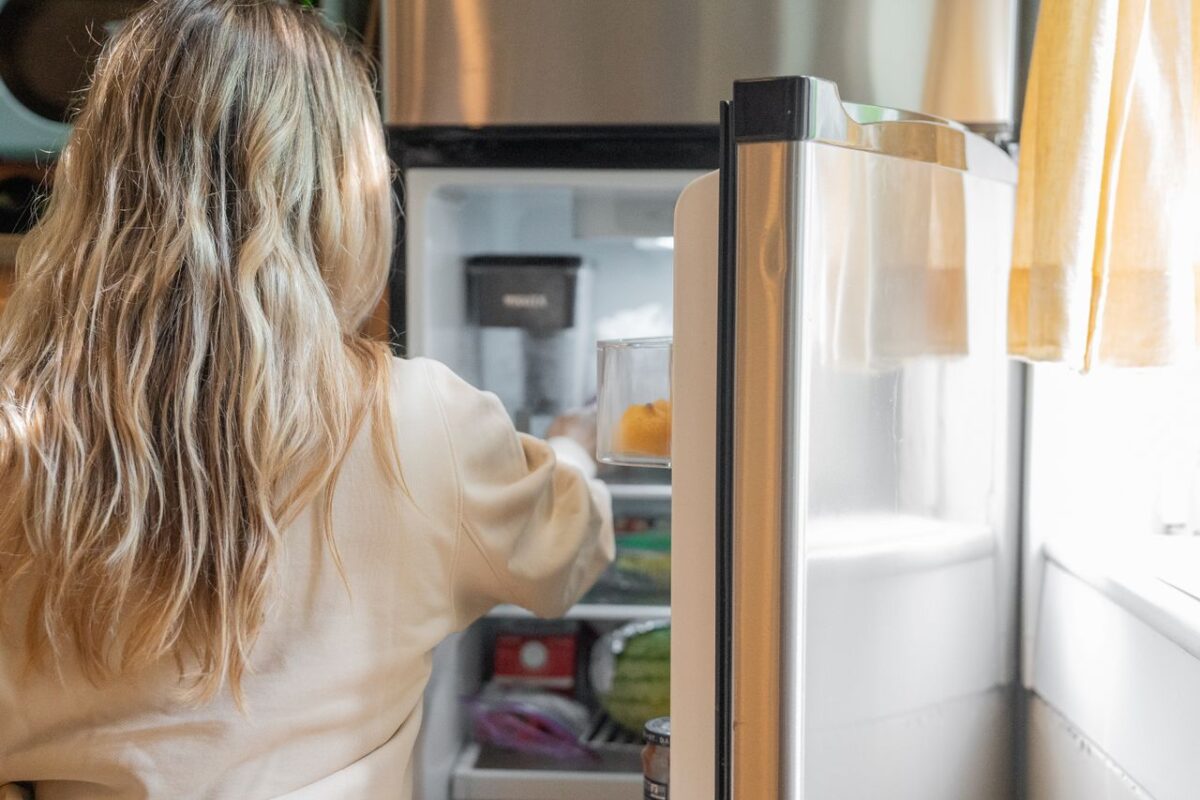
Rotisserie chicken has a funny way of disappearing into the back of the refrigerator.
You buy it Monday, enjoy some Tuesday, forget about it Wednesday, and suddenly it’s Saturday.
Now you’re staring at the container, wondering whether it’s still good.
Here’s the rule to remember: FoodSafety.gov recommends keeping leftover cooked poultry in the refrigerator for 3 to 4 days.
Not an entire week.
And don’t rely on the famous sniff test. Food can contain harmful microorganisms without developing an obvious smell or unusual appearance.
A simple solution is to label your container with the purchase date.
If you aren’t planning to finish the meat within the recommended timeframe, freeze it promptly.
FoodSafety.gov recommends freezing cooked poultry for two to six months for the best quality. Food kept continuously frozen at 0°F or below remains safe indefinitely, although its quality can decline.
A freezer bag and a date label can save you from throwing away perfectly usable chicken.
Reheating It Until It Tastes Like Cardboard
Few things are more disappointing than opening the refrigerator, getting excited about leftover chicken, and reheating it into something resembling shoe leather.
The problem usually isn’t the chicken itself.
It’s how you’re reheating it.
Cooking experts interviewed by Allrecipes recommend adding moisture, such as broth, water, gravy, or cooking drippings, when warming leftover rotisserie chicken.
A covered skillet works particularly well for shredded or diced meat.
You can also place chicken pieces in a baking dish with a little liquid, cover them, and warm them in the oven.
The key is to avoid unnecessarily harsh heating while ensuring reheated leftovers reach an internal temperature of 165°F.
And there’s no reason to reheat the entire chicken when you only need a single portion.
Keep the rest refrigerated, and warm only what you plan to eat.
Your chicken deserves a second chance at being delicious.
Throwing Away Leftovers Because Nobody Wants Chicken Again
Let’s be realistic. Eating the same chicken dinner three nights in a row isn’t exactly exciting.
But that doesn’t mean the leftovers belong in the trash.
The trick is to stop thinking of rotisserie chicken as a finished dinner and start treating it as an ingredient.
Shredded chicken can become barbecue chicken pizza, white bean chicken chili, enchiladas, or creamy macaroni and cheese.
You can also turn it into chicken salad for a completely different meal.
The possibilities are much more interesting than another plate of chicken with potatoes.
One useful trick is to decide what you’ll make with the leftovers before buying the bird.
For example, enjoy the chicken with dinner tonight, then plan enchiladas for tomorrow.
If you won’t use the remaining meat within the recommended refrigerator window, freeze it separately.
That way, you won’t force yourself to eat chicken again just because it’s sitting there.
Assuming the Cheapest Chicken Is Always the Best Deal
That $5 rotisserie chicken might look like an unbeatable bargain.
But before celebrating, check its weight.
Not every store sells chickens of the same size, and comparing price tags alone can be misleading.
In its June 2026 comparison, Consumer Reports listed Costco’s rotisserie chicken at $4.99 for three pounds, approximately $1.66 per labeled pound.
Walmart’s chicken was listed at $5.97 for 2.25 pounds, or approximately $2.65 per pound.
Meanwhile, Stop & Shop’s chicken was listed at $7.99 for 1.75 pounds, approximately $4.57 per pound.
Those figures illustrate why the lowest sticker price doesn’t always tell the whole story. They aren’t guaranteed prices at every location.
Of course, whole-chicken weight includes bones and skin, so it doesn’t represent the exact amount of edible meat.
And buying a larger chicken only makes financial sense if you’re going to use it.
Sometimes the best bargain is simply the chicken that fits your household.
Assuming Every Store Makes Rotisserie Chicken the Same Way
A rotisserie chicken is a rotisserie chicken, right?
Not quite.
Different grocery chains use different seasoning combinations, and those flavors can noticeably affect your recipes.
Consumer Reports evaluated rotisserie chickens from ten retailers and found variations in seasoning and texture.
Its taste panel identified paprika, onion, and garlic notes in Sam’s Club chicken, while Walmart’s version had lemon and rosemary notes.
Whole Foods’ chicken tasted seasoned with salt and cracked black pepper.
Why does this matter?
Because the chicken that tastes fantastic on its own might not be the best choice for every recipe.
A heavily seasoned bird can influence the flavor of your chicken salad, soup, or casserole.
Before buying, check the package or available store information to see what seasonings are used.
If you’re preparing a dish with several seasonings, taste it before adding more salt automatically.
A little attention at the store can make dinner much easier later.
The Bottom Line
Store-bought rotisserie chicken is supposed to make life easier, not create extra work or unnecessary waste. Choose the right bird, get it home promptly, store it correctly, and make the most of the leftovers. A few simple habits can turn one convenient grocery purchase into something you’ll be glad you bought.