7 Sweet Potato Casserole Mistakes That Can Spoil the Texture Before the First Bite
A golden topping can hide a disappointing sweet potato casserole. Underneath those toasted marshmallows or pecans, the filling might be watery, unexpectedly lumpy, or still dotted with hard pieces. By the time the serving spoon goes in, the part that needs attention may be several cooking steps behind.
Fortunately, getting the texture you want starts with straightforward decisions. Cook the potatoes until tender, measure the liquids, and give your chosen topping the treatment its recipe requires. There is room for family preferences, whether you love a chunky filling or something smooth enough to glide onto a plate.
Check these seven pitfalls before your next casserole reaches the table.
Trusting the Timer Instead of Testing the Potatoes
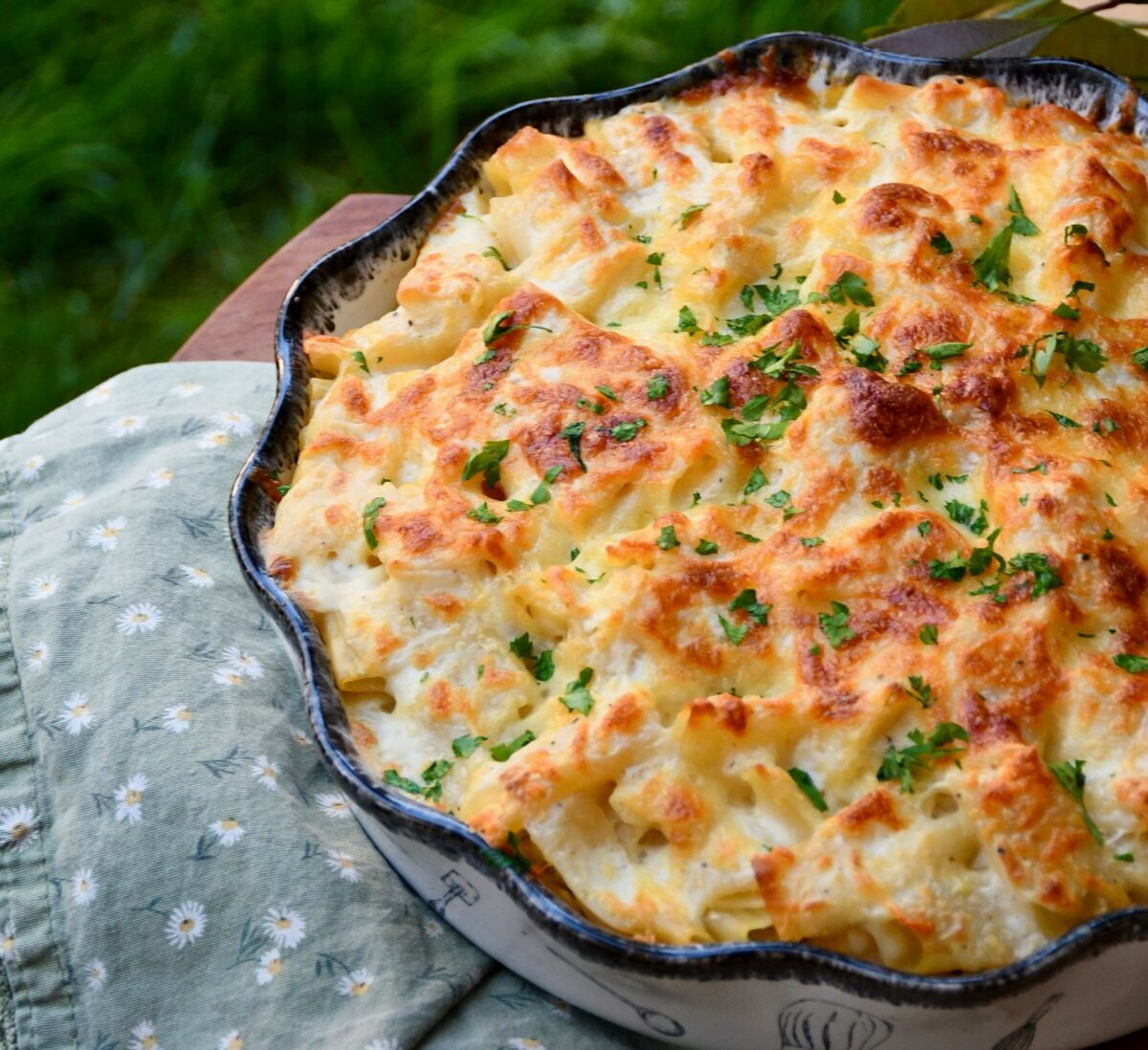
The timer can tell you when to check, but the potatoes should tell you when to stop cooking. Hard pieces that resist mashing are different from the soft chunks someone deliberately leaves in a rustic filling. Start with tenderness, not smoothness.
For whole cooked sweet potatoes, check whether a sharp knife slides easily into the center. When boiling, cut the potatoes into evenly sized pieces and cook until very tender. Food Network Kitchen calls for a 15-to-20-minute simmer for peeled, cubed potatoes, but that timing applies to that preparation.
Boiling itself is not the mistake. Both boiled and roasted potatoes appear in published casserole recipes. Choose a method, then check the actual potatoes before moving on.
Related: 10 Best Easy Dinner Recipes for Families
Stopping at a Rough Mash When You Want Creamy Filling
Tender potatoes still need mixing for a smooth casserole. Breaking them apart with a few quick strokes may leave more texture than you intended. Decide what you want before adding the topping.
Cookie and Kate uses a hand mixer to bring the filling to a smooth, creamy consistency, but you can also mash or mix by hand. An electric mixer is therefore an option when the recipe calls for it. There is no need to borrow blanket warnings from recipes for other potatoes.
First, confirm that the potatoes are fully cooked. More mixing won’t fix hard, undercooked pieces. A deliberately chunky casserole, meanwhile, needs no apology.
Letting Extra Water Sneak Into the Filling
A loose filling can begin at the boiling stage. EatingWell notes that overboiled sweet potatoes can absorb water, making the casserole watery. Cook them until tender without unnecessarily extending their time in the pot.
Drain thoroughly before mashing, and follow any cooling instructions in your recipe. Then measure the milk, juice, or other liquid rather than adding casual splashes. Smoothness and moisture are related concerns, but extra liquid is not automatically the answer to every lump.
Roasting offers another option that doesn’t require boiling water. Whichever method you choose, stick with one recipe’s ingredient balance. No universal spoonful of flour or extra egg reliably fixes every overly wet filling.
Forgetting the Sweetness Waiting on Top
The filling is only part of the finished bite. Marshmallows and sugary pecan toppings add their own sweetness, so consider both layers. A filling sweetened as though it will be served alone may taste sweeter than you want.
Serious Eats specifically accounts for marshmallow sweetness when building its filling. Follow your chosen recipe’s sugar, salt, and flavoring quantities, and use its supported adjustments when available. Cookie and Kate, for example, lets you reduce or omit the maple syrup in its filling.
This is about matching your preference. A sweet casserole can be intentional, and salt does not remove sugar. Aim for the flavor you enjoy across a complete spoonful.
Treating Pecan Topping Like a Last-Minute Sprinkle
A crumb topping deserves its own mixing step. Tossing the ingredients loosely over the filling skips the preparation that creates the recipe’s intended clumps or crumbs. Mix separately, then distribute evenly.
Food Network combines its flour, brown sugar, melted butter, and salt until moist and clumping, then adds chopped pecans. Other recipes use different ingredients and butter temperatures. Follow the method in front of you instead of assuming every streusel starts with cold butter.
For its make-ahead version, Food Network keeps the topping separate until just before baking. That instruction is worth preserving when following that recipe.
Giving Every Marshmallow Topping the Same Baking Schedule
Marshmallows and pecan crumbs don’t share a single, interchangeable baking schedule. Some recipes add marshmallows later, while others include them from the start. Read the entire method before assembling.
Southern Living uses a staged approach for its cornflake, pecan, and marshmallow casserole. Allrecipes publishes a version with marshmallows added before baking and warns readers to watch for scorching. Both approaches have recipe support.
Follow the schedule that matches your casserole and watch closely near the end. A universal last-five-minutes rule does not fit every version.
Calling It Finished Because the Top Looks Golden
A browned topping is only one clue. Check the recipe’s filling endpoint, whether that means hot throughout or mostly set in the center. Then follow its standing instructions. Southern Living’s version calls for a ten-minute rest to help the filling set and the topping crisp.
Other recipes specify different waits. Let your casserole rest as the method calls for, then bring out the serving spoon. Those small checks give you a clearer path from tender potatoes to a casserole you actually enjoy serving.