7 Things You Should Never Do With Your Checkbook
Paper checks may seem old-fashioned, but millions of Americans still use them every month. Many older adults pay rent, utilities, church donations and birthday gifts by check, and plenty of small businesses still accept them. Checks are familiar, reliable and easy to track.
They are also a favorite target for criminals. The U.S. Postal Inspection Service and banks have warned for years about check washing, a scheme where thieves steal checks, erase the ink and rewrite them for larger amounts or to different names. A few careful habits can make your checks much harder to misuse. Here are seven things you should never do with your checkbook.
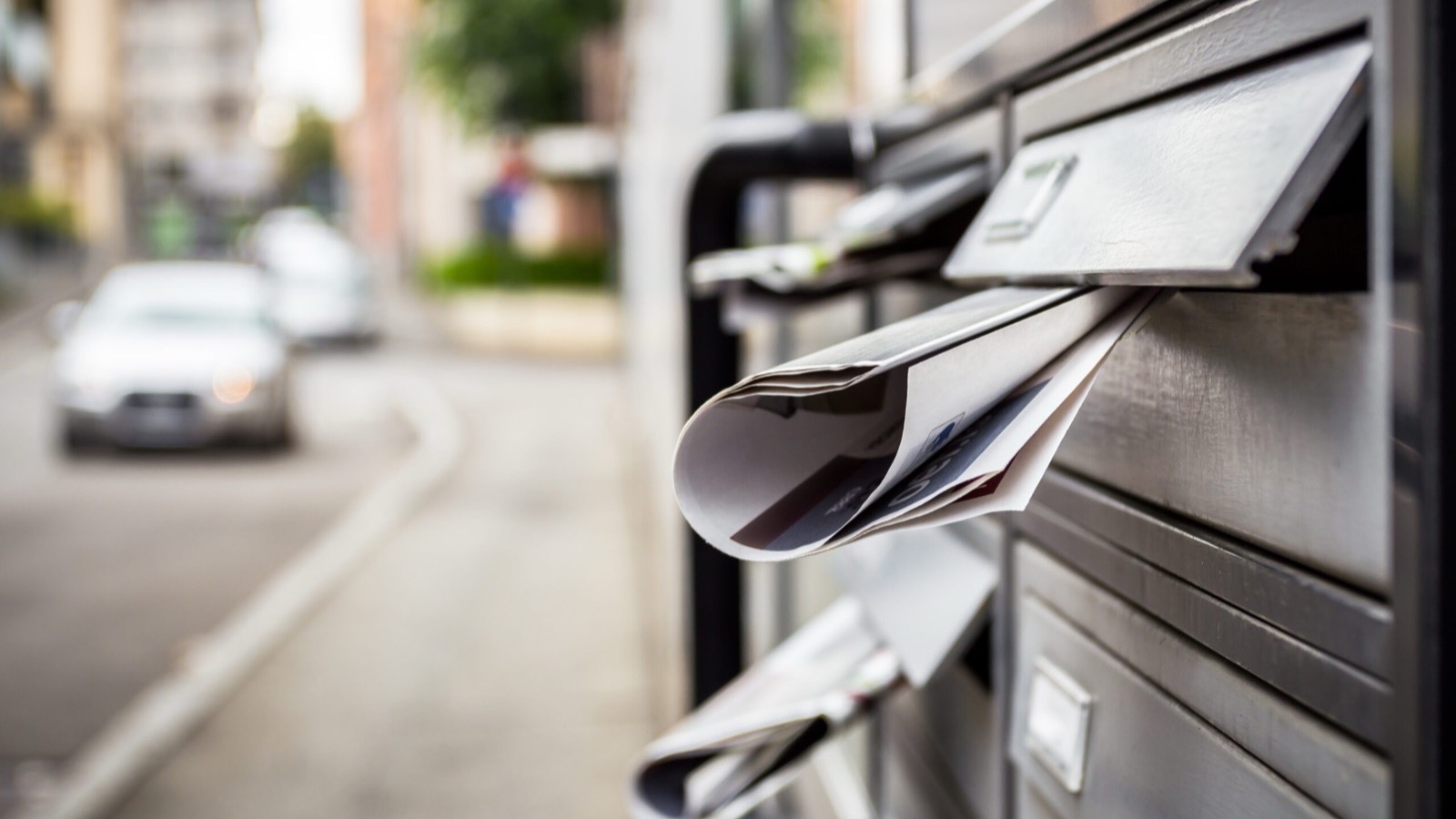
1. Never Leave Checks in an Unsecured Mailbox
One of the most common ways checks are stolen is straight out of mailboxes. Thieves look for the raised red flag on home mailboxes, which signals outgoing mail, and some have even broken into blue collection boxes on the street.
Whenever possible, drop checks off inside the post office or hand them to a mail carrier. Avoid leaving them in your home mailbox overnight or over the weekend. If you mail checks regularly, it may also help to mail them earlier in the day rather than after the last pickup.
2. Never Write Checks in Erasable Ink
Check washing works because many inks can be removed with common chemicals. Once the ink is gone, a thief can write in a new name and a new amount while keeping your signature.
Using a pen with gel ink that is designed to resist washing can make this harder. Many banks recommend using permanent, dark ink and pressing firmly so the writing soaks into the paper. Never use a pencil or an erasable pen on a check.
3. Never Leave Blank Spaces on a Check
Leaving extra space on the “pay to” line or the amount line gives a criminal room to add words or numbers. A check written for “Fifty” could be changed to “Five hundred fifty” if there is enough space before the word.
Start writing at the far left of each line and draw a line through any empty space after the amount and the payee’s name. It only takes a second and makes changes much more obvious.
4. Never Sign a Blank Check
A signed blank check is one of the most dangerous things you can carry. If it is lost or stolen, anyone can fill in any amount they want, and the bank may honor it because your signature is real.
Even if you are leaving a check for a family member or a contractor, fill in the payee and the amount before signing. If you are unsure about the final amount, it is safer to wait than to hand over a blank signed check.
5. Never Store Your Checkbook in Your Car
Cars are frequent targets for break-ins, and a checkbook left in the glove box or console can be a valuable find for a thief. With your name, address and account number printed on every check, it gives criminals everything they need to attempt fraud.
Keep your checkbook at home in a secure place, and only carry checks with you when you plan to use them. If you do carry checks, bring just one or two rather than the whole book.
6. Never Throw Away Old Checks or Statements Without Shredding
Voided checks, old checkbooks from closed accounts and bank statements all contain sensitive information. Tossing them in the trash makes it possible for someone to fish them out and use the details.
Shred anything with your account number, signature or personal information. Many communities hold free shredding events, and small home shredders are inexpensive.
7. Never Ignore Your Bank Statements
Many people only glance at their bank statements, or do not check them at all. But reviewing your account regularly is one of the best ways to catch problems early. Look for checks you do not remember writing, amounts that seem different or payees you do not recognize.
Most banks have strict deadlines for reporting fraud, so the sooner you spot something, the better. Many banks also let you view images of cashed checks online, which makes it easier to confirm that nothing has been changed.
What Check Washing Looks Like
Check washing usually starts with stolen mail. Thieves take the checks, use chemicals to remove the ink and then rewrite them. Sometimes they make the check out to themselves or a fake name. Other times, they raise the amount and deposit it through an ATM or mobile banking app.
Victims often do not realize anything has happened until they see an unexpected withdrawal or a bounced payment. That is why paying attention to how and where you send checks matters so much.
Should You Stop Using Checks?
Some people decide to switch to online bill pay or electronic transfers to avoid these risks. Others prefer to keep using checks because they are comfortable with them or because certain businesses still require them. There is no single right answer.
If you continue to use checks, the habits above can make a big difference. Many people use a mix, paying regular bills online and saving checks for occasional payments.
Simple Habits That Add Extra Protection
Beyond the basics, a few extra steps can make checks even safer. Many banks offer alerts that send a text or email when a check clears or when a large withdrawal is made, which can help you catch trouble the same day. Ordering checks directly through your bank, rather than from unfamiliar websites, can also reduce risk.
Some people keep a simple log of every check they write, noting the number, date, payee and amount. It takes only a moment and makes it easy to compare against your statement later. If you ever notice a missing check or a gap in the numbers, contact your bank right away. Most banks can place a stop payment on a lost check, which may keep it from being cashed if it falls into the wrong hands.
The Bottom Line
To protect your money and your identity, never leave checks in an unsecured mailbox, write in erasable ink, leave blank spaces, sign a blank check, store your checkbook in your car, throw away old checks without shredding or ignore your bank statements. The people who still balance a checkbook by hand often have good reasons for it. A few extra precautions help make sure those checks go exactly where they are supposed to.