7 Things You Should Think Twice About Cleaning With Clorox Wipes
Clorox wipes have become a household staple for almost everything. Kitchen counter? Grab a wipe. Bathroom handle? Grab a wipe. Mystery sticky spot on the coffee table? You already know the routine.
But “almost everything” is doing some important work there.
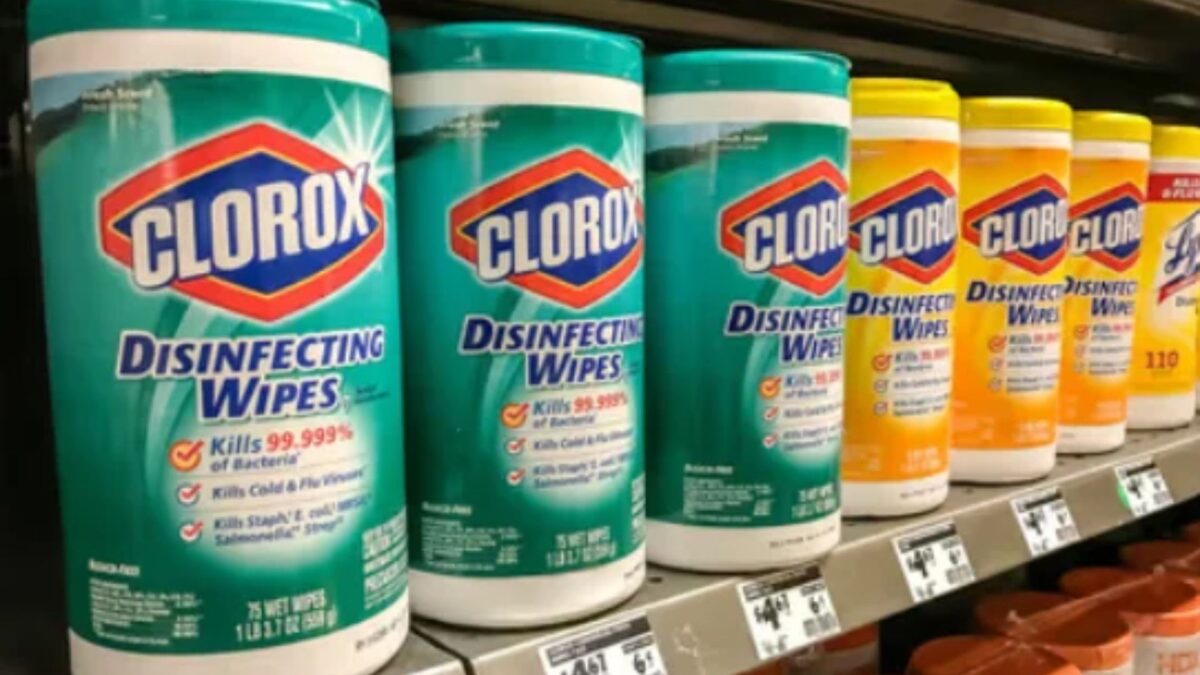
Clorox says its standard Disinfecting Cleaning Wipes can be used on more than 100 household surfaces, including finished wood, sealed granite and stainless steel. The company also says they kill 99.9% of viruses and bacteria when used as directed. Many people overlook that the directions specifically rule out or place conditions on several common cleaning jobs.
Another misconception to clear up first: regular Clorox Disinfecting Wipes are bleach-free. Their limitations are therefore not simply a matter of “bleach ruins things.” Surface porosity, finishes, food contact, and manufacturer instructions all matter.
Here are seven places where reaching automatically for the canister deserves a second thought.
Your Hands and Skin
A disinfecting wipe may look like an oversized hand wipe, but it isn’t.
Clorox says its disinfecting wipes aren’t intended for personal cleansing and shouldn’t be used as baby wipes. The company recommends washing thoroughly with soap and water after handling them.
The CDC makes the distinction equally clear. Don’t apply surface disinfectants directly to skin; handwashing remains a primary way to reduce germ spread.
So that wipe you used on the grocery cart handle should stay there, not move to your hands or a child’s face.
Unsealed or Unfinished Wood
A finished kitchen table and an unfinished wooden cutting board may both be wood, but they behave very differently around moisture and cleaners.
Clorox lists finished wood among the surfaces compatible with its disinfecting wipes, but specifically advises against using them on unsealed wood.
That distinction matters for unfinished furniture, raw-wood shelving, and other porous wooden surfaces. Instead of assuming that a wipe safe for one wooden item is safe for another, follow the furniture maker’s cleaning instructions.
This also reminds you that “wood” on a cleaning label rarely means every piece of wood in your house.
Related Post: 12 Common Cleaning Habits That Waste Time, Money, and Product
Untreated or Unsealed Stone
Granite has become so common in American kitchens that a quick wipe across the counter can feel completely routine. And on properly sealed granite, Clorox says its disinfecting wipes can indeed be used as directed.
Untreated or unsealed stone is another story. Clorox specifically lists untreated stone among surfaces to avoid.
Natural stone also varies considerably in composition and finish. The Natural Stone Institute recommends choosing cleaners appropriate for the particular stone and warns that some cleaning substances can attack minerals, sealers, or impregnators.
Before using any disinfecting product on marble, limestone, travertine, or an unfamiliar stone countertop, checking the stone or countertop manufacturer’s instructions is safer than assuming one cleaner fits them all.
Food-Prep Surfaces Unless You Rinse Them
This one comes with an important qualification. Clorox wipes can be useful around a kitchen, but wiping a food-preparation counter and immediately rolling out cookie dough on it is not the intended procedure.
Clorox says counters that will be used for food preparation should receive a potable-water rinse after the wipe is used.
That guidance matches the EPA’s distinction between disinfectants intended for ordinary hard surfaces and those used on food-contact surfaces. Some disinfectant labels require a rinse because chemical residue needs to be removed before food contacts the surface.
In other words, disinfecting the countertop is only part of the job. If that surface is about to meet your sandwich, vegetables or pizza dough, follow the label’s rinse instructions too.
Dishes, Glasses and Eating Utensils
For similar reasons, your dinnerware does not need to become part of the disinfecting-wipe routine.
A wipe may seem like a convenient shortcut for a fork that fell on the counter or a plate you want to use quickly, but products designed primarily for disinfecting household surfaces should be used only according to their food-contact directions.
The EPA notes that disinfectants approved for food-contact surfaces may require a potable-water rinse before those surfaces return to use.
For ordinary household dishes, glasses, and utensils, washing them normally is simpler than introducing a disinfecting product and then having to follow additional label instructions.
Mirrors
Mirrors are not actually off-limits for Clorox Disinfecting Wipes, but there is a catch if you want the glass to look spotless afterward.
Clorox recommends using its Disinfecting Wipes to disinfect mirrors. However, the company also suggests following up with a simple vinegar-and-water solution to deal with any streaks left behind.
For the finishing step, Clorox recommends mixing 1 part vinegar with 1 part water in a spray bottle, spraying the mixture onto a lint-free cloth, and wiping the mirror as needed.
So the concern with mirrors is not that Clorox wipes will necessarily harm them. Disinfecting wipes may not leave behind the crystal-clear, streak-free finish most people want. If appearance matters just as much as disinfection, that quick second step can make a noticeable difference.
Inside Appliances
The refrigerator handle? That’s exactly the sort of hard, high-touch surface disinfecting wipes are handy for.
The inside of the appliance is different.
Clorox advises against using its standard disinfecting wipes inside appliances, even though appliance exteriors are among the hard, nonporous surfaces the company says can be cleaned with the product.
That distinction matters for refrigerators, microwaves, and other areas where food may sit or where a manufacturer provides very specific cleaning instructions.
The CDC likewise advises consumers to use products appropriate for the particular surface and to follow product labels rather than treating every household material the same way.
You Probably Don’t Need to Disinfect Everything Anyway
Perhaps the biggest lesson has less to do with what Clorox wipes can handle and more to do with how often we actually need them.
Current CDC guidance says that, in most household situations, regular cleaning with soap and water removes most germs. Routine disinfection becomes more important when someone is sick or when someone at greater risk of illness is in the home.
And when you really do want to disinfect, technique matters. Clorox instructs users to apply enough product to a hard, nonporous surface to keep it visibly wet for four minutes when disinfecting with its standard wipes, then let it dry. A single lightning-fast swipe isn’t the same as following the disinfecting directions.
So keep the familiar canister handy. Clorox wipes are genuinely useful for plenty of doorknobs, switches, sealed counters, finished furniture, and other hard surfaces. Just resist the temptation to treat them as an all-purpose answer to every mess in the house.
Sometimes the smartest cleaning move is not reaching for a stronger product. It is simply choosing the right one for the surface in front of you.