7 Warning Signs the 2026 Midterms Are Already Turning Ugly
America is still months away from the 2026 midterms, but the political temperature already feels too hot for comfort.
The election is set for Tuesday, November 3, 2026, and voters will decide control of Congress, including all House seats and more than 30 Senate seats.
That means the future of President Trump’s second term, federal policy, and the national mood are all on the line. This is not Election Day panic. It is the early rumble before a political storm.
Prices are annoying voters. Abortion is back in court. Immigration is boiling. Redistricting fights are changing the map.
Election workers are under pressure. Trust is thin. If these warning signs continue to grow, the 2026 midterms may become one of the ugliest political fights America has seen in years.
Voters Are Angry About Prices, and Angry Voters Punish People

The first warning sign is not hiding in Washington. It is sitting in shopping carts, rent notices, car insurance bills, and pharmacy receipts. Most Americans do not experience politics through speeches. They experience it through the painful little math they do before payday.
That is dangerous for the party in power. Many voters still feel squeezed by inflation, housing costs, insurance hikes, medical bills, and everyday essentials that no longer feel affordable. \
When families feel punished by the economy, they often look for someone to punish at the ballot box. That is how a normal midterm can turn into a national protest vote.
Trump’s Approval Is Becoming a Heavy Backpack for Republicans
Midterms often become a national report card on the president. That should worry Republicans in 2026. Republicans hold power in Washington, which means frustrated voters have a clear target for their anger.
When one party controls the White House and Congress, it also owns the complaints. Every high bill, every foreign policy mistake, every border fight, and every ugly headline can become part of the same political story.
The danger for Republican candidates is simple. If they stay too close to Trump, they risk losing swing voters who are tired of drama. If they create distance, they risk angering the MAGA base. That puts many candidates in a political trap before the campaign even reaches full speed.
Abortion Is Back as a Political Firestarter

Abortion never really left American politics, but in 2026, it is returning with fresh force. Recent court fights over abortion pill access have pushed reproductive rights back into the center of the midterm conversation.
The issue is no longer limited to states with strict bans. It now touches mail access, federal courts, pharmacies, doctors, and voters who thought abortion rules were already settled in their state.
This issue can get ugly fast because it is personal, moral, legal, and political all at once. Democrats see a turnout weapon, especially with women, younger voters, and suburban moderates.
Republicans face pressure from anti abortion activists, but they also know many voters oppose sweeping restrictions. That tension can split families, churches, neighborhoods, and campaigns wide open.
Redistricting Fights Are Making the Map Look Rigged
One of the ugliest fights of 2026 may happen before many voters even cast a ballot. Several states have already been fighting over congressional maps ahead of the House elections.
New district lines can shift political power before Election Day, helping one party protect seats or weaken the other side. That makes redistricting feel less like a technical process and more like a quiet battle over who gets to choose the voters before voters choose their leaders.
That is poisonous for public trust. Voters can accept losing an election more easily than they can accept feeling trapped inside a district designed to protect politicians.
When maps look manipulated, every close race starts to feel suspicious. That suspicion does not disappear after Election Day. It lingers and feeds the next fight.
Election Workers Are Already Under Pressure
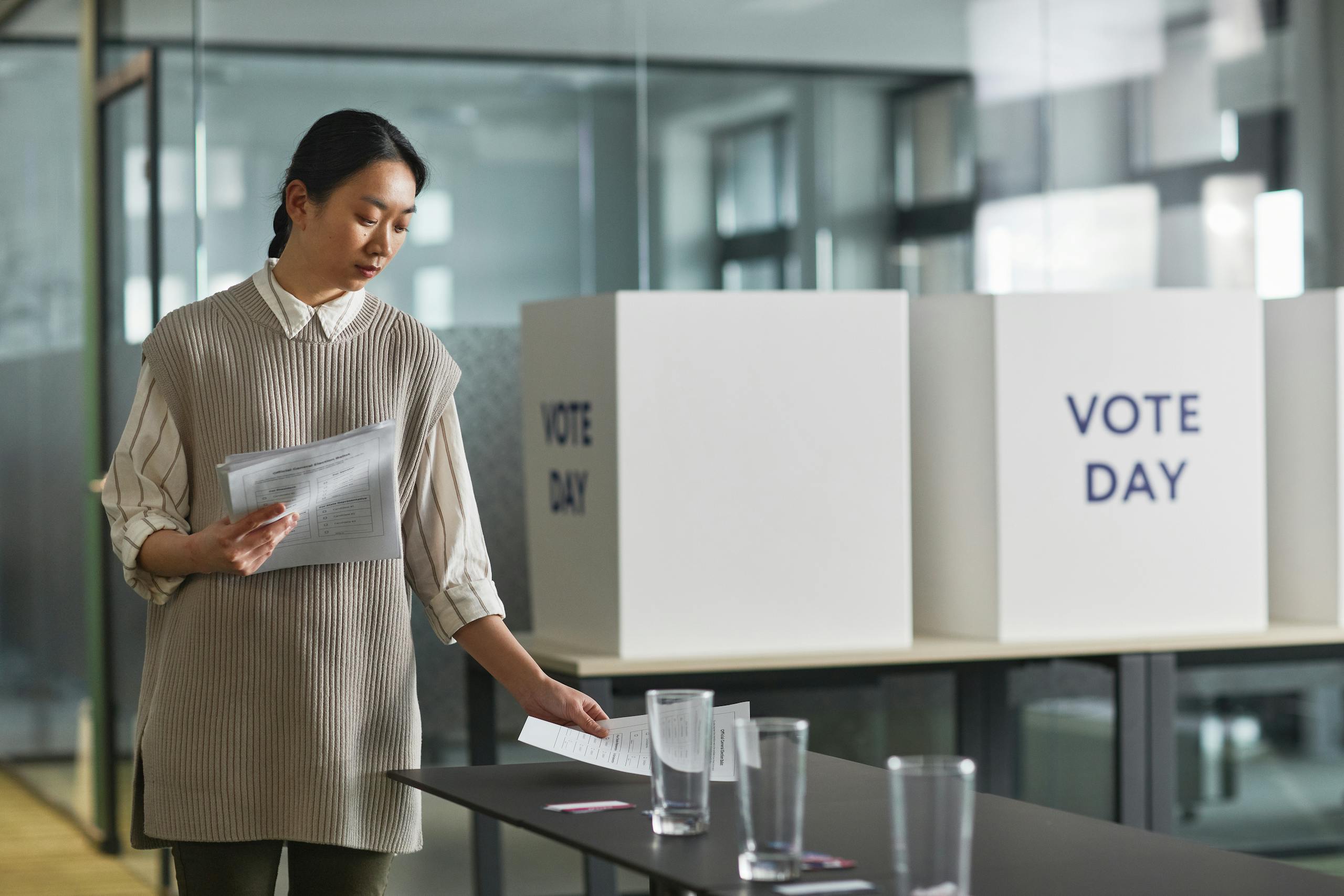
A democracy becomes fragile when the people running elections feel like targets. Local election officials are still dealing with safety concerns, political pressure, staffing problems, and public suspicion.
These are not famous people with security teams and television contracts. They are county clerks, poll workers, administrators, volunteers, and local officials, all trying to keep the machinery of democracy under a microscope.
The danger is obvious. When campaigns suggest every loss is suspicious, some voters stop seeing election workers as public servants and start seeing them as enemies.
That is how distrust moves from cable news into county offices. If the 2026 midterms are close, pressure on local election workers could become one of the defining stories of the race.
Immigration Is Becoming a National Pressure Cooker
Immigration is no longer just a border state issue. It has become a city budget issue, a school issue, a policing issue, a labor issue, and a national identity fight.
Republicans are leaning into enforcement, border security, deportation messaging, and the argument that Democrats allowed chaos to spread. Democrats are trying to defend humanitarian values while answering voters who worry about public spending, local services, and disorder. That makes immigration both powerful and dangerous as a campaign issue.
The ugly part is how quickly the debate can turn human beings into props. Migrants become symbols. Cities become campaign backdrops. Border communities become talking points. Once that happens, practical reform gets buried under fear, blame, and political theater.
Both Parties Are Walking Into 2026 With Weak Public Trust

The final warning sign is the country’s mood itself. Many Americans do not sound hopeful. They sound tired. They are tired of the high cost of living, angry campaigns, court battles, broken promises, and leaders who treat every issue like a weapon.
Even when voters favor one party in polls, that does not always mean love. Sometimes it only means they are angrier at the other side.
That is the kind of environment where campaigns stop trying to inspire people and start trying to scare them.
Instead of saying, “Here is what we will build,” candidates say, “Here is who you should fear.” That strategy may win elections, but it leaves the country meaner, colder, and harder to govern.
Conclusion
The 2026 midterms are not here yet, but the warning lights are already flashing. Prices are making voters impatient. Trump’s approval is putting pressure on Republicans. Abortion is back at full volume. Redistricting is turning maps into weapons. Election workers are under strain. Immigration is boiling. Both parties are fighting for power in a country that does not fully trust either side.
That is why the 2026 midterms could get ugly fast. Not just loud. Not just competitive. Ugly.
The real question is not only who wins in November. The question is whether America can survive another brutal election season without letting politics break ordinary people’s faith in the country itself.