Move Over, Croissants: Savory Tarts Are Giving America’s Bakeries a Delicious Lunch Upgrade
A bakery visit does not have to end with something sweet. At some American businesses, European-style savory tarts are making a stronger case for lunch: flaky pastry filled with vegetables, cheese, eggs or meat, served as a slice or an individual portion. The appeal is both practical and culinary. A tart can showcase pastry skills while offering something more substantial than a cookie or a morning bun.
No national sales figure proves a savory-tart takeover. What the evidence does show is a range of businesses giving the format a visible place,from a seasonal tart at Richmond’s Sub Rosa Bakery to French-inspired individual tartes at New York’s La Méchante. Their approaches help explain the appeal: adaptable fillings, seasonal ingredients and a familiar pastry shell that can carry an entire meal rather than wait for dessert.
The French Bakery Counter Has Never Been Only About Sugar
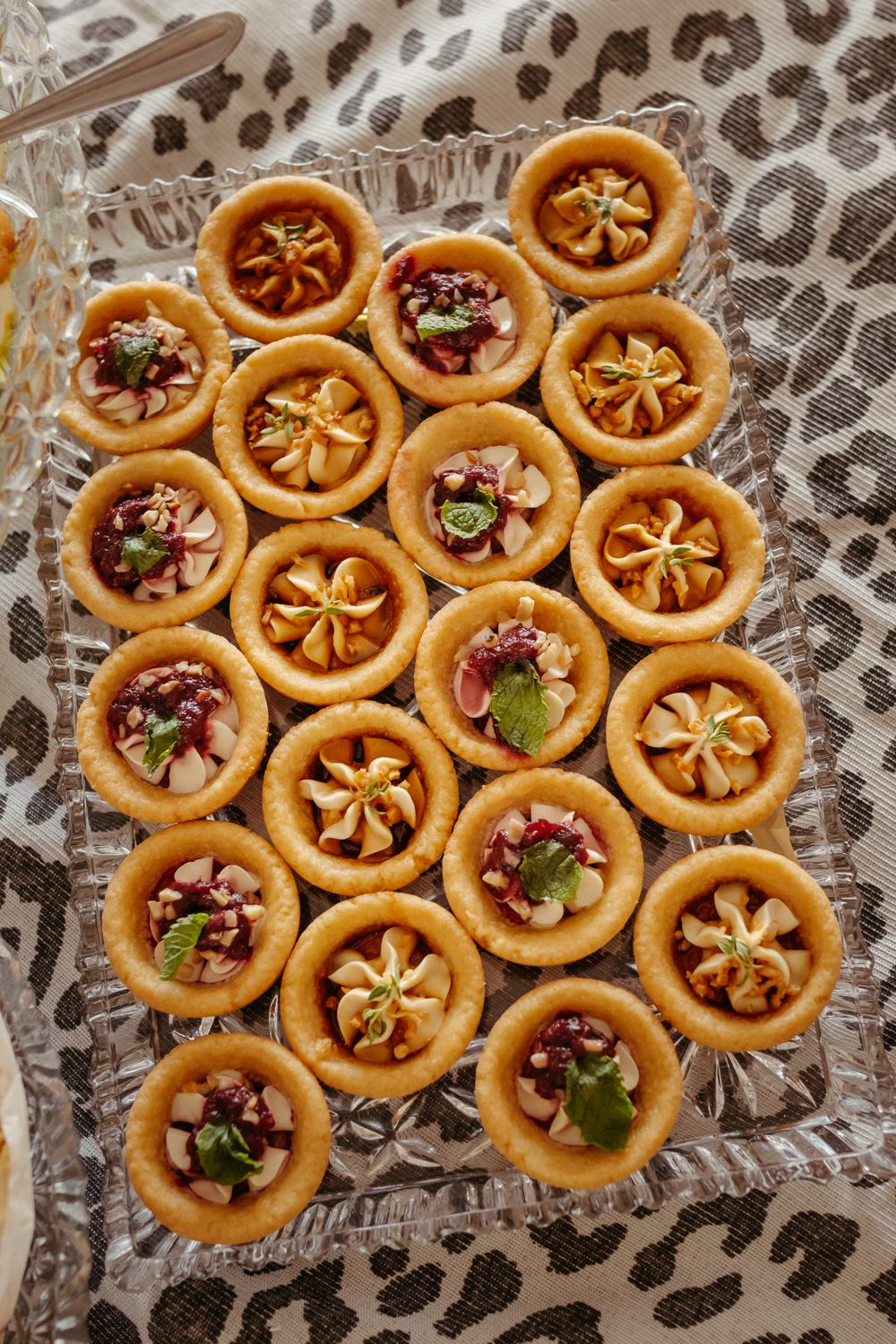
Savory tarts are not a new invention waiting for American bakers to discover them. Cookbook author and former pastry chef David Lebovitz notes that French bakeries sell quiche by the slice and that these preparations are sometimes called tartes salées, or savory tarts. They can appear as relatively flat slices or taller wedges. That established bakery tradition provides a useful reference point for American businesses expanding beyond sweet pastries.
Quiche is one expression of the format, not a synonym for every savory tart. Lebovitz’s Quiche Lorraine preparation includes bacon, cheese and shallots beneath an egg, cream, and milk custard. Other tarts put vegetables more prominently in the foreground or use different pastry bases. Richmond’s Sub Rosa, for example, advertises a spelled-based tart dough filled with seasonally available local produce rather than promising a fixed quiche formula.
That distinction gives bakers room to work. The shell can support a familiar custard-based filling, a vegetable-focused composition or an interpretation of another savory dish. The result still reads as pastry, but its role shifts toward lunch. This is the clearest reason the format belongs in the discussion: it lets a bakery offer a meal without abandoning the dough and baking techniques central to its identity.
San Francisco’s Maison Nico illustrates how naturally that can fit a broader French-inspired business. The épicerie and café lists a Quiche de Saison alongside its viennoiserie, pâté en croûte, and other offerings. Those items are distinct, pâté en croûte isn’t simply another vegetable tart, but together they show that a pastry-oriented counter can make savory food central rather than treat it as a token alternative.
Seasonal Fillings Give an Established Format New Energy
At Sub Rosa Bakery, the description is deliberately flexible: a “Spelt based tart dough with some delicious concoction of seasonally available local produce.” That wording identifies both the pastry and the filling’s changing nature. It does not guarantee a specific vegetable on any given day. For customers, the appeal is a seasonal offering; for an accurate food story, the key detail is that the recipe isn’t presented as fixed.
The menu also warns that the tart may contain nuts and advises customers to call for details. That is worth carrying forward rather than letting the vegetable-centered description imply it’s suitable for everyone. A savory tart may contain wheat, dairy, eggs, nuts, or other ingredients, depending on how it’s prepared. The ingredients and the bakery’s handling practices matter more than whether the item sounds wholesome or seasonal.
Pastry chef Megan Garrelts,proprietor of Rye Restaurants and Cornflower Baked Goods, described a related movement in 2026 baking coverage: “Savory elements are evolving with more creativity and complexity.” Her examples include pickled white asparagus on brioche and specialty meats incorporated into breakfast Danishes. Those aren’t tarts, but they show the same broader shift: bakers are exploring savory combinations that go beyond a basic ham-and-cheese filling.
Garrelts also pointed toward local produce: “Pastries topped with daily selections from local farmers or more thoughtful, seasonal applications of fruit are becoming more common.” Her observations are an experienced pastry chef’s assessment, not a measured national growth rate. They still help explain why seasonal tarts make sense in a bakery case increasingly interested in ingredients, texture, and combinations that don’t rely entirely on sweetness.
One New York Concept Is Making the Tart the Main Event
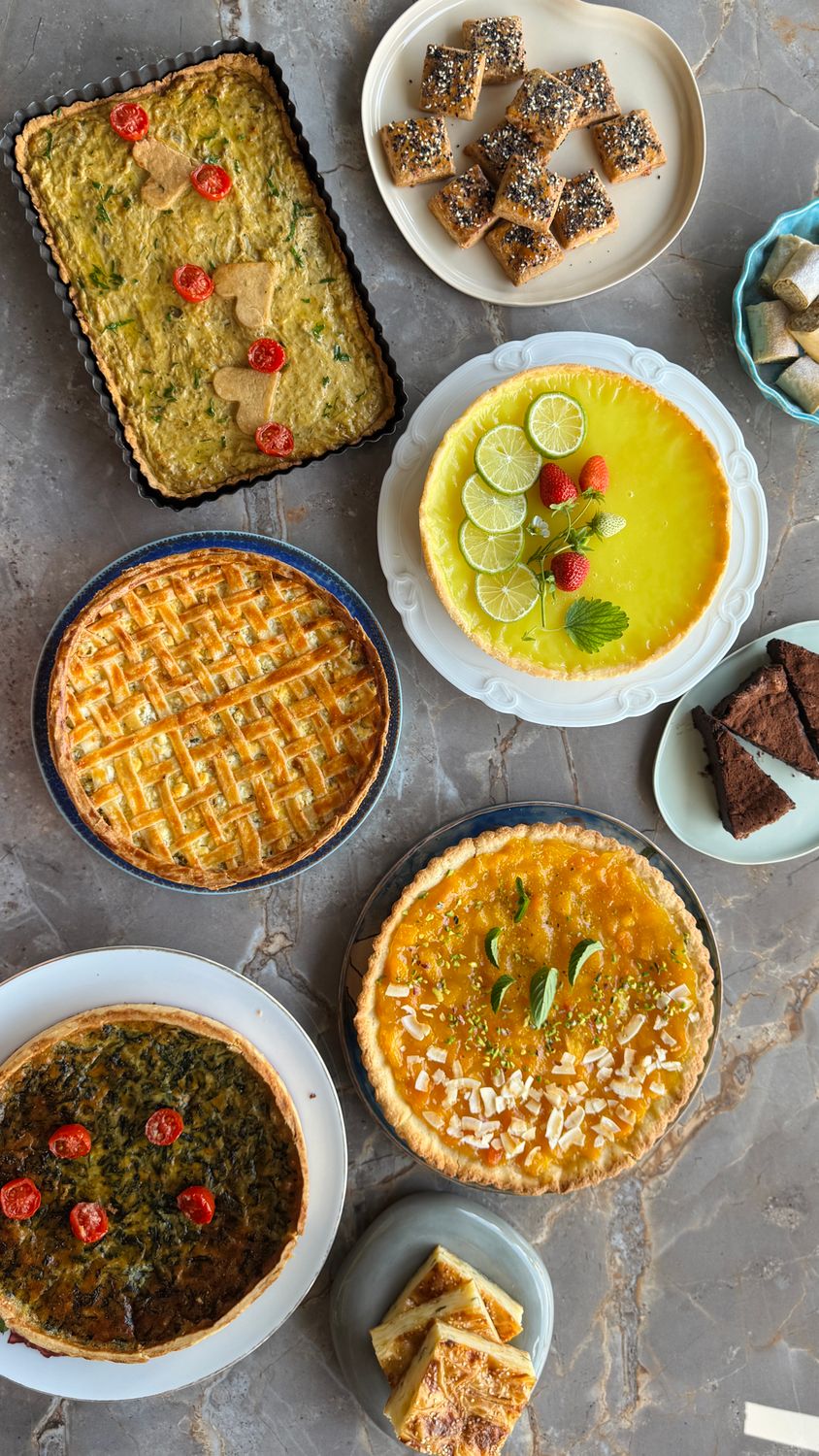
La Méchante makes the meal-sized idea explicit. The New York business says its goal is to take a familiar French food and turn it into an individual, grab-and-go tart “made to be a complete meal.” That is the company’s positioning, not an independent nutritional judgment. Its stated approach pairs a light, flaky crust with seasonal ingredients, giving the tart a starring role rather than placing it alongside an unrelated sandwich menu.
The business traces its inspiration to co-founder Julie’s childhood summers on France’s Île de Ré, where her family bought savory tarts from a neighborhood bakery. According to its account, the baker’s childhood nickname became the company’s name: La Méchante, “The Mean Lady.” The story recalls the brand’s beginnings, but it explains the personal connection behind the concept rather than presenting the tart as a newly invented product.
Its recipes translate recognizable French dishes into pastry. La Cochonne interprets Quiche Lorraine; La Ratatouille pairs slow-roasted ratatouille with whipped goat cheese; and La Vinaigrette reworks the leek dish poireaux vinaigrette. These examples show the format’s versatility without suggesting that every European culinary tradition can be reduced to one recipe. The documented influence here is specifically French, even though “European-style” is a broader label.
The company sums up the appeal of tarts in France as “Simple, generous, comforting.” That modest description also explains their opportunity in American bakeries. A good savory tart does not need to masquerade as dessert or claim to be a revolutionary health food. It can showcase pastry craftsmanship, offer a satisfying filling, and provide enough seasonal flexibility to give customers another reason to stop at the bakery after breakfast.
Other Post You Might Also Like
.6 Essential Foods to Keep Your Muscles Strong and Healthy as You Age