7 Ways Grandma Stretched One Chicken Into Three Meals
In Grandma’s day, a chicken was not an everyday food. It was a Sunday treat, and it cost enough that nobody could afford to waste a bite. When she brought a bird home, she already knew how it would feed the family for most of the week.
She did it without a slow cooker, a microwave, or a single plastic container. The roast came first, the leftovers came second, and the bones came last. By the time she was done, there was nothing left but a clean carcass.
With grocery prices where they are today, her method is worth learning again. These seven habits show how Grandma turned one chicken into three full meals, and sometimes four.
1. She Bought the Whole Bird
Grandma never bought a package of boneless, skinless chicken breasts. She bought a whole chicken, because it was the cheapest way to buy meat by the pound. Whole birds still cost far less than cut-up parts in most stores today.
A whole bird also gave her more to work with. She got white meat, dark meat, skin, fat, bones, and often the giblets tucked inside. Every one of those parts had a job to do in her kitchen.
2. She Roasted It for Sunday Dinner
The first meal was the big one. Grandma roasted the chicken with salt, pepper, and maybe an onion, and she served it with potatoes, gravy, and a vegetable. Everyone at the table got a modest portion of meat and plenty of sides.
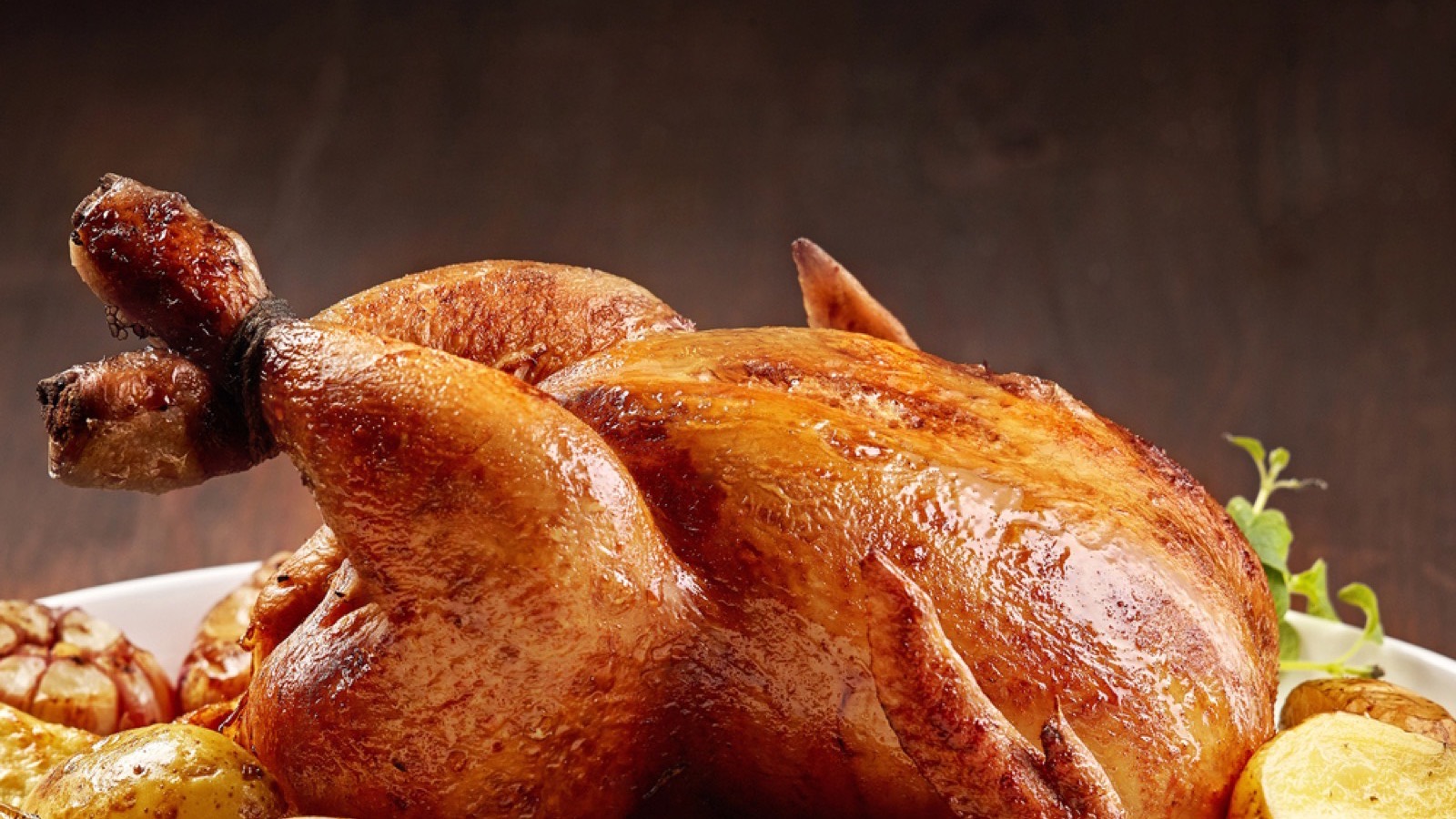
That is an important detail. The chicken was the centerpiece of the plate, but the potatoes, bread, and vegetables did most of the filling. Today’s cooks can follow her lead and use a thermometer too, since the USDA says poultry is safe at an internal temperature of 165 degrees.
3. She Picked the Carcass Clean
After dinner, Grandma did not toss the leftovers into the refrigerator on the platter. She sat down and pulled every scrap of meat off the bones with her fingers. The back, the wings, and the underside of the bird gave up far more than most people expect.
She often ended up with two or three cups of meat that would otherwise have gone in the trash. That meat was the heart of the second meal. It went into a covered dish and into the icebox right away.
4. She Turned Leftover Meat Into a New Supper
On Monday or Tuesday, the picked meat came back in a different form. It might be chicken and noodles, a pot pie with a biscuit crust, creamed chicken on toast, or a hearty casserole. A little meat mixed with a sauce and a starch could feed six people easily.
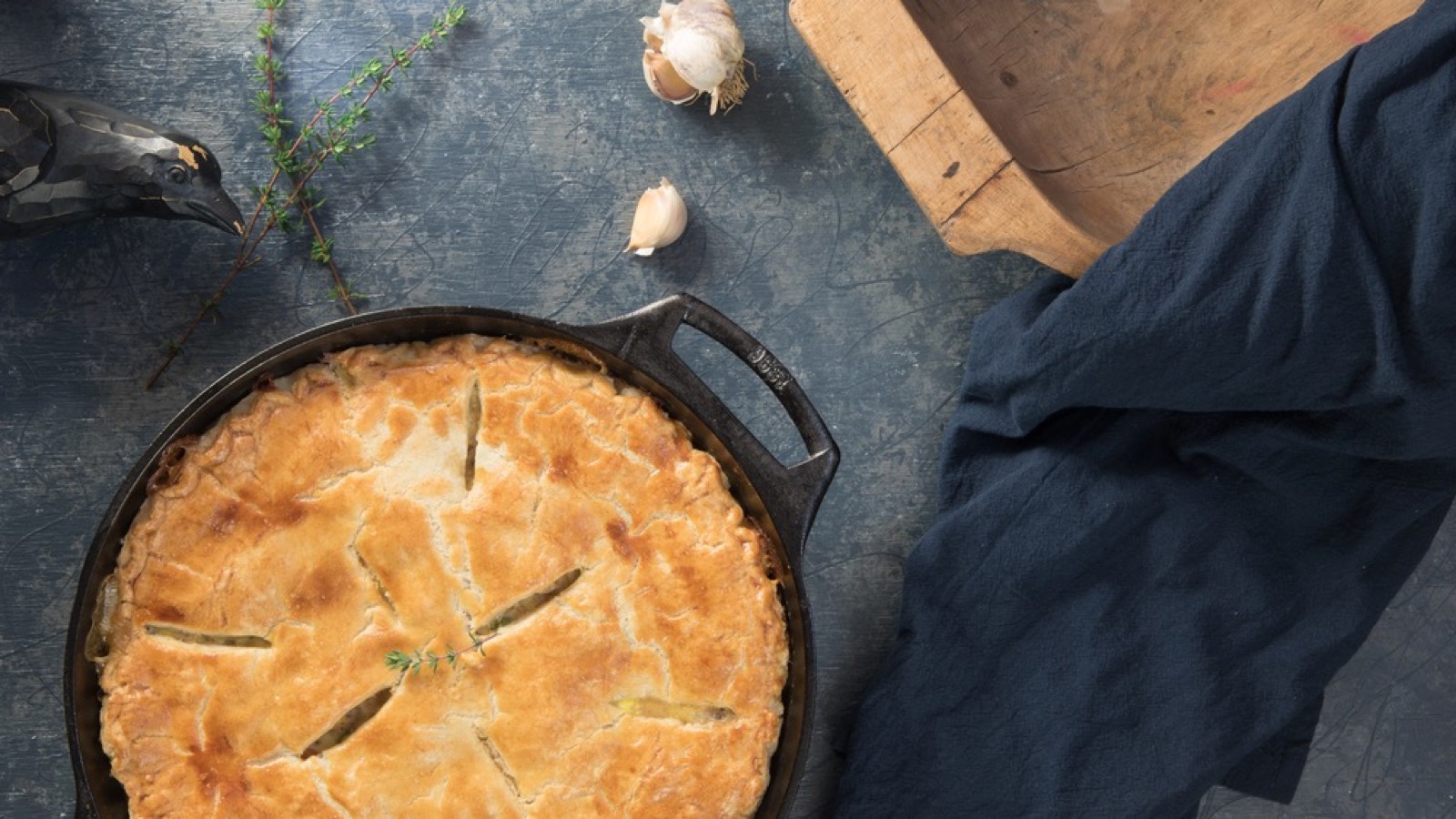
This is where her real skill showed. Nobody at the table felt they were eating leftovers, because the dish looked and tasted new. Many of the casseroles that defined American family dinners were invented for exactly this purpose.
5. She Boiled the Bones for Broth
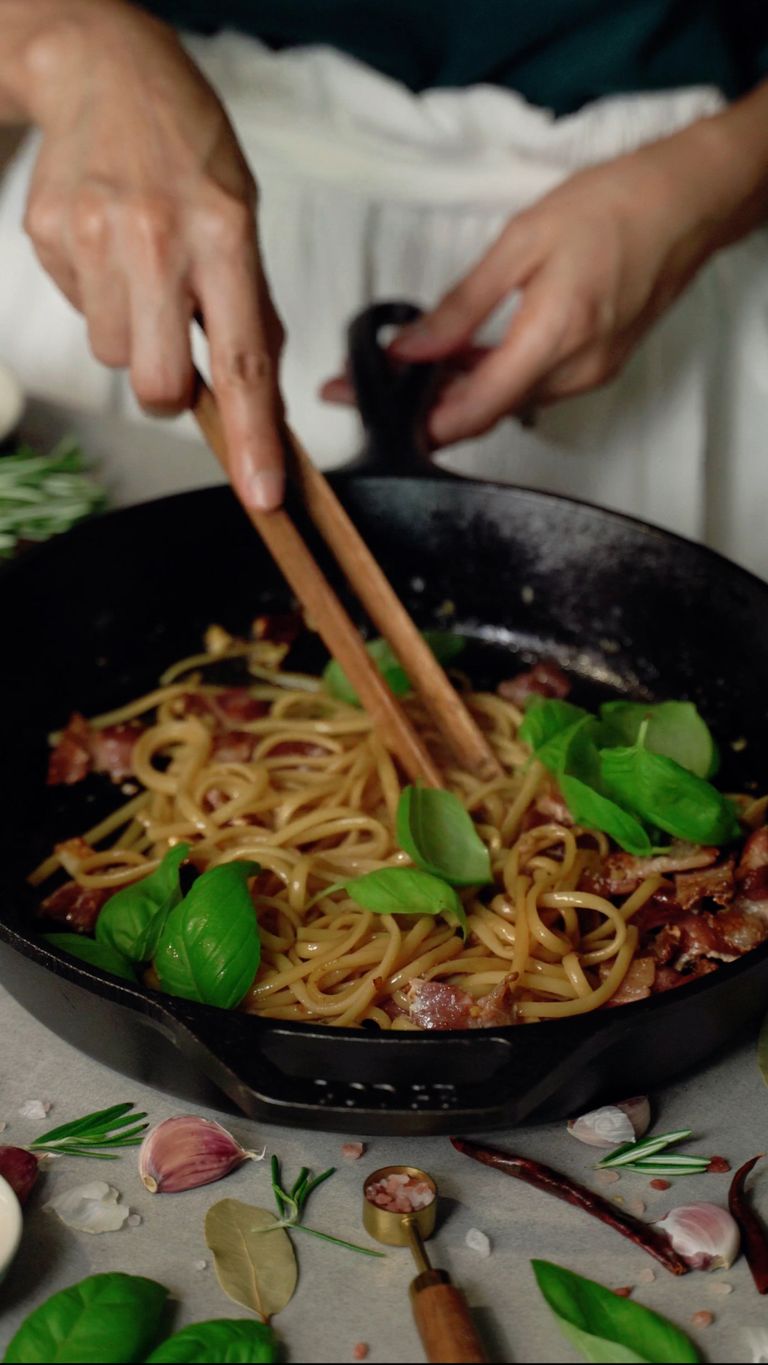
The bones went straight into a pot with water, an onion, a carrot, and a stalk of celery. Grandma let it simmer on the back of the stove for hours. By evening she had a rich golden broth that cost her almost nothing.
That broth became the third meal. She added rice, noodles, dumplings, or whatever vegetables were on hand, and any last bits of meat went in too. It was the base for many of the hearty soups and stews American families have loved for generations.
6. She Saved the Fat and the Drippings
When the roasting pan cooled, Grandma poured the drippings into a jar. The fat rose to the top and hardened, and the jellied juices settled underneath. She used the fat for frying and the juices for gravy.
Chicken fat gave wonderful flavor to fried potatoes, onions, and matzo balls or dumplings. The jellied drippings went into soup or gravy for extra richness. Younger cooks often pour both down the drain without realizing what they are losing.
7. She Cooked the Giblets Too
The little paper packet inside the bird was not thrown away. Grandma simmered the neck, heart, and gizzard for broth and chopped them into giblet gravy or dressing. The liver was fried with onions as a treat for whoever was helping in the kitchen.
Many people today have never eaten giblets, and some are startled to find them. To Grandma they were simply more food that she had already paid for. Using them meant one more dish on the table at no extra cost.
Why This Old Habit Still Makes Sense
Grandma’s method was born from necessity. Many women of her generation had lived through the Depression and wartime rationing, and they had learned to respect every scrap. That thinking shaped the ways Grandma made every dollar do double duty.
It works just as well today. A single whole chicken can provide a roast dinner, a casserole, and a pot of soup for a family of four. Compared with buying separate meat for three meals, the savings add up quickly over a month.
It also cuts down on waste. Americans throw away a huge share of the food they buy, and the USDA notes that wasted food is the single largest category of material placed in landfills. Using the whole bird is a simple way to waste less.
Keeping It Safe
A few modern rules are worth following. Leftover chicken should go into the refrigerator within two hours of cooking, and it should be eaten within three to four days. The USDA also recommends reheating leftovers to 165 degrees.
Broth should be cooled quickly and stored in the refrigerator or freezer. If you do not plan to make soup right away, the bones can be frozen in a bag until you have time. Picked meat freezes well too, so nothing has to be used in a hurry.
A Lesson Worth Passing Down
Stretching a chicken is one of the easiest old-fashioned skills to bring back. It takes no special tools, only a pot, a pan, and a little patience. Most people are surprised by how much food one bird can really provide.
It also connects today’s kitchens with the women who cooked before us. They fed big families on small budgets, and they did it with pride. Did your grandmother stretch a chicken this way, and which of her three meals did you look forward to most?