Why Divorce Is So Common in America And Why the Real Answer Is More Complicated Than People Think
Divorce in America looks shocking from the outside because the country treats marriage less like a family-owned institution and more like a legal, emotional, financial, and personal contract between two adults.
This difference has a big impact. In many other countries, troubled marriages often last because family pressure, religious shame, financial dependence, social reputation, and legal obstacles make it very hard to leave.
In the United States, these pressures are still present, but they are weaker, more openly questioned, and easier to avoid than they were in the past.
What’s surprising is that people often misunderstand divorce in America. Divorce is easy to notice here, but it isn’t increasing as much as many think. Federal data show 672,502 divorces in 45 reporting states and Washington, D.C., in provisional 2023 figures, with a divorce rate of 2.4 per 1,000 people.
Recent research also found that the U.S. divorce rate dropped to 14.2 divorces per 1,000 married women in 2024, down a bit from 14.4 in 2023.
So, the real question isn’t just why Americans get divorced so often. It’s why divorce is so accepted, visible, and possible in America, while in other countries, unhappy couples may stay married on paper for years.
When we consider the law, culture, gender roles, money, religion, and what people expect from marriage today, the answer starts to make more sense.
America Made Divorce Legally Easier Than It Used To Be

One major reason divorce is common in America is straightforward: the legal system allows it. Today, U.S. divorce law usually doesn’t require one spouse to prove things like adultery, cruelty, or abandonment to end a marriage.
No-fault divorce allows a spouse to say the marriage has broken down, often under terms such as “irreconcilable differences” or “irretrievable breakdown.” All U.S. states now recognize some form of no-fault divorce.
This change in the law transformed marriage. Before no-fault divorce was common, many couples had to lie, make accusations, or reveal private problems in court just to end an unhappy marriage.
Today, divorce can still be costly and difficult, but it usually doesn’t involve a public moral trial. This means divorce is less hidden, less scandalous, and more accessible for people who feel their marriage is unsafe, loveless, financially harmful, or emotionally empty.
American Culture Values Personal Freedom Over Staying Married at Any Cost
The United States has a strong individualistic culture. Americans often grow up believing that personal happiness, emotional safety, self-respect, and independence are very important.
This doesn’t mean Americans take marriage lightly. It means many are less likely to stay in a marriage just because others expect them to.
In many traditional societies, marriage is seen as a bond between families, communities, or religious groups. In America, it’s usually viewed as a partnership between two people.
When the partnership doesn’t work out, many people believe ending it is painful but reasonable. This belief makes divorce more common, since the shame of leaving is less than the fear of staying in an unhappy home.
Divorce Is More Visible Because American Families Are More Openly Reshaped
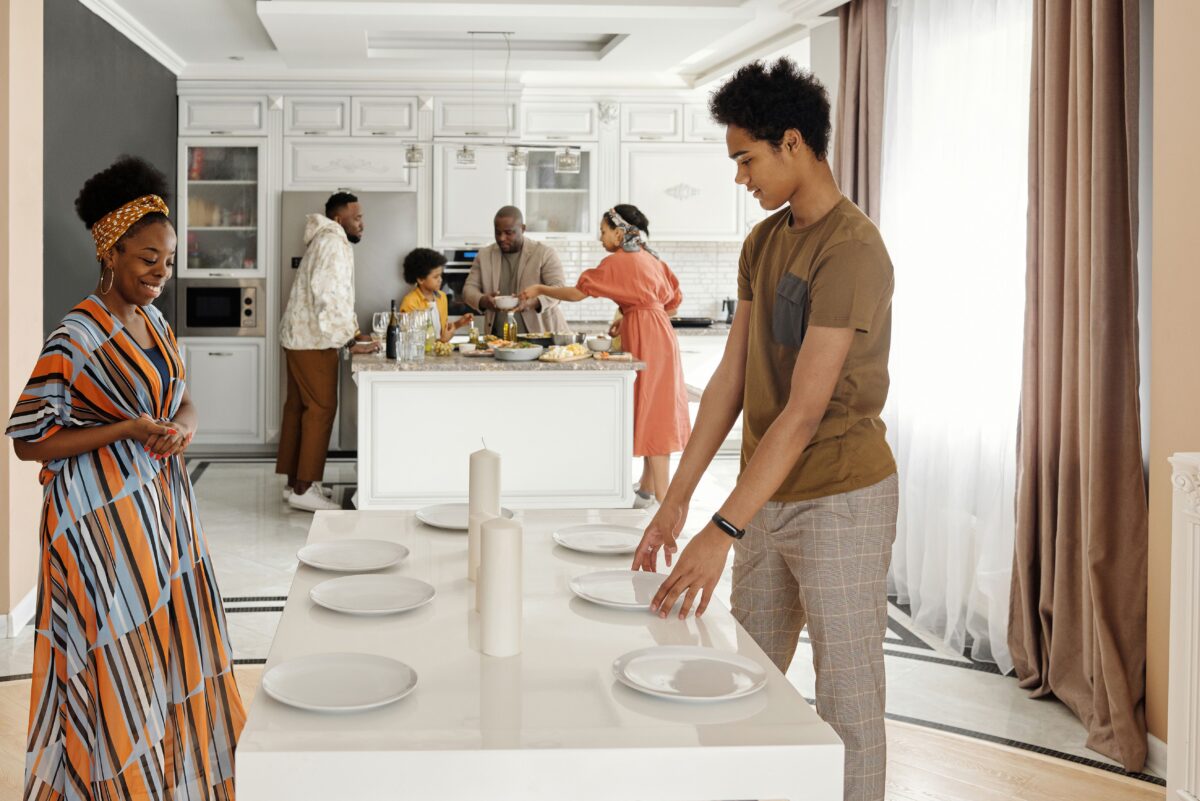
There are many divorced parents, stepparents, half-siblings, co-parenting setups, remarriages, and blended families in America. Seeing these situations so often can make divorce seem very common.
This is important because, in America, divorce often doesn’t mean someone leaves family life completely. It can lead to a new household, a custody schedule, a second marriage, a new partner, or a blended family.
This makes divorce more visible in society. In countries where divorce is rare or strongly stigmatized, marriages may still break down, but it often shows up as long separations, emotional distance, family conflict, moving away, or private suffering instead of an official divorce.
Women’s Economic Independence Changed the Marriage Bargain
Divorce became more common as women gained more education, job opportunities, legal rights, and financial independence. Someone with no income, property rights, social support, or a way to live alone is often stuck in a marriage, even if it’s harmful. As more American women joined the workforce and became independent, this situation changed.
This doesn’t mean women caused more divorces. It means more women could leave marriages that earlier generations had to stay in.
Economic independence gives unhappy spouses more options, especially when there is abuse, addiction, cheating, neglect, or ongoing disrespect. Societies with more personal freedom usually have more divorces than those where people can’t afford to leave.
Americans Expect Marriage to Provide Love, Friendship, Sex, Stability, and Self-Fulfillment

Modern American marriage comes with high emotional expectations. Many people no longer marry just for survival, children, land, family approval, or religious reasons.
People now expect marriage to bring romance, loyalty, companionship, attraction, shared parenting, financial teamwork, emotional maturity, friendship, and personal growth. This is a wonderful goal, but it’s also a demanding one.
When these expectations aren’t met, Americans may be quicker to see the marriage as a failure. In the past, a marriage that provided a home and children but no affection might have been seen as “good enough.”
In modern America, many people see that same arrangement as loneliness with paperwork. The emotional standard for marriage has risen, and higher standards often create more exits.
In the U.S., there is less community pressure to keep couples together. In many countries, divorce can hurt a family’s reputation, make it harder for a woman to remarry, cause family conflict, or bring deep religious shame.
Some American communities still judge divorce harshly, but overall, the culture is much more accepting than before. Divorced people can often date again, remarry, live alone, co-parent, move, or rebuild their social lives without being completely excluded.sion.
This difference is significant. Social stigma is one of the main reasons divorce rates stay low in many places. When stigma fades, divorce becomes easier to see.
The U.S. didn’t just become a place where marriages fail; it became a place where failed marriages are more likely to be recognized by law.
Religion Still Matters But It No Longer Controls Marriage the Same Way
Religion still affects marriage in America, but it doesn’t control divorce for everyone. Some religious groups strongly discourage divorce.
Others allow divorce in certain situations. Many Americans are not religious, are only loosely religious, or are spiritual but don’t let clergy decide their marital choices. Attitudes toward living together before marriage show how much things have changed.
Money Stress Turns Private Problems Into Marriage Crises

Money is a major source of stress in American marriages. Couples argue about rent, mortgages, credit cards, student loans, childcare, medical bills, retirement savings, job loss, and lifestyle expectations.
In a country where healthcare, housing, and education are costly, marriage often turns into a financial partnership under stress.
It’s not just about poverty. Even middle-class couples can struggle if one partner overspends, hides debt, refuses to work, controls the money, or treats the other as a financial safety net.
In America, where independence matters a lot, financial betrayal can feel just as bad as emotional betrayal. For many couples, money isn’t the official reason for divorce, but it’s often the cause behind many arguments.
Cohabitation Changed the Path to Marriage

Living together before marriage is now common in the United States. This has changed how people test relationships, define commitment, and decide if marriage is needed.
For sFor some couples, living together helps them see if they’re compatible before getting married. For others, it leads to drifting into marriage without a clear decision, especially when leases, pets, kids, or shared bills take precedence over a strong commitment.
A larger cultural shift is clear. Fewer Americans see marriage as the only respectable way to build an adult life. In 2025, fewer than half of U.S. households, 47%, were married-couple households, down from nearly two-thirds, 66%, in 1975. One-person households also rose to 39.7 million, making up 29% of all households.
Divorce is common because remarriage is also common
In America, divorce is often seen as both an ending and a new beginning. This cultural attitude matters. When people believe they can find love again, remarry, co-parent, or start a second family, divorce feels less final.
This is one reason divorce feels so visible in American life. A person may have an ex-spouse, a current spouse, stepchildren, former in-laws, shared custody, and a blended holiday schedule.
This complexity can seem chaotic to outsiders, but it reflects a culture in which people keep trying to rebuild their families rather than staying stuck in a failed marriage. States do not all look the same
America is too big and diverse to have just one marriage culture. Divorce patterns differ by state, region, laws, religion, income, education, and local customs. In 2024, Bowling Green State University’s National Center for Family and Marriage Research found that Oklahoma had the highest refined divorce rate, at 20.7 divorces per 1,000 married women, followed by Nevada, Mississippi, Wyoming, and Alabama. Maine had the lowest rate at 10.0.
These state-by-state differences show why culture matters. Some places have early marriage, economic stress, religious pressure, lower incomes, and easier divorce rules, which can lead to higher divorce rates.
Other places may have later marriage, higher education, greater economic stability, or different social patterns that reduce divorce rates. America’s divorce story is not one national habit. It is a map of many different realities of marriage.
The Real Reason Divorce Is So Common in America
Divorce is common in America because people have more freedom to leave unhappy marriages. The law allows it, the culture accepts it, and the economy makes it possible for many.
There’s less social stigma, higher emotional expectations for marriage, and the idea of starting over is a big part of American culture.
This doesn’t mean Americans are worse at love. It just means America is more open about failed marriages than many other countries. Some places hide broken marriages behind a sense of duty.
America often turns them into court filings. In America, these situations often become court filings, custody agreements, new apartments, second weddings, therapy sessions, and complicated holiday plans.
Force is both a sign of freedom and a sign of failure. It can rescue people from abuse, misery, and emotional neglect. It can also expose how many couples entered marriage without enough maturity, money, honesty, emotional skills, or a shared vision.
America didn’t make marriage meaningless. It just made leaving possible, and once that happened, many people stopped pretending every marriage should last.