8 Cars From the 1980s That No Longer Exist
The 1980s were a strange and wonderful time for cars. Automakers tried mid-engine commuter cars, four-wheel-drive station wagons, European imports with new badges and the cheapest new car in America. Some of those ideas caught on later. Many of the cars themselves didn’t survive the decade.
Here are eight cars from the 1980s that are out of production for good. Several of them took their whole brand down with them, so you won’t find a new one in any showroom.
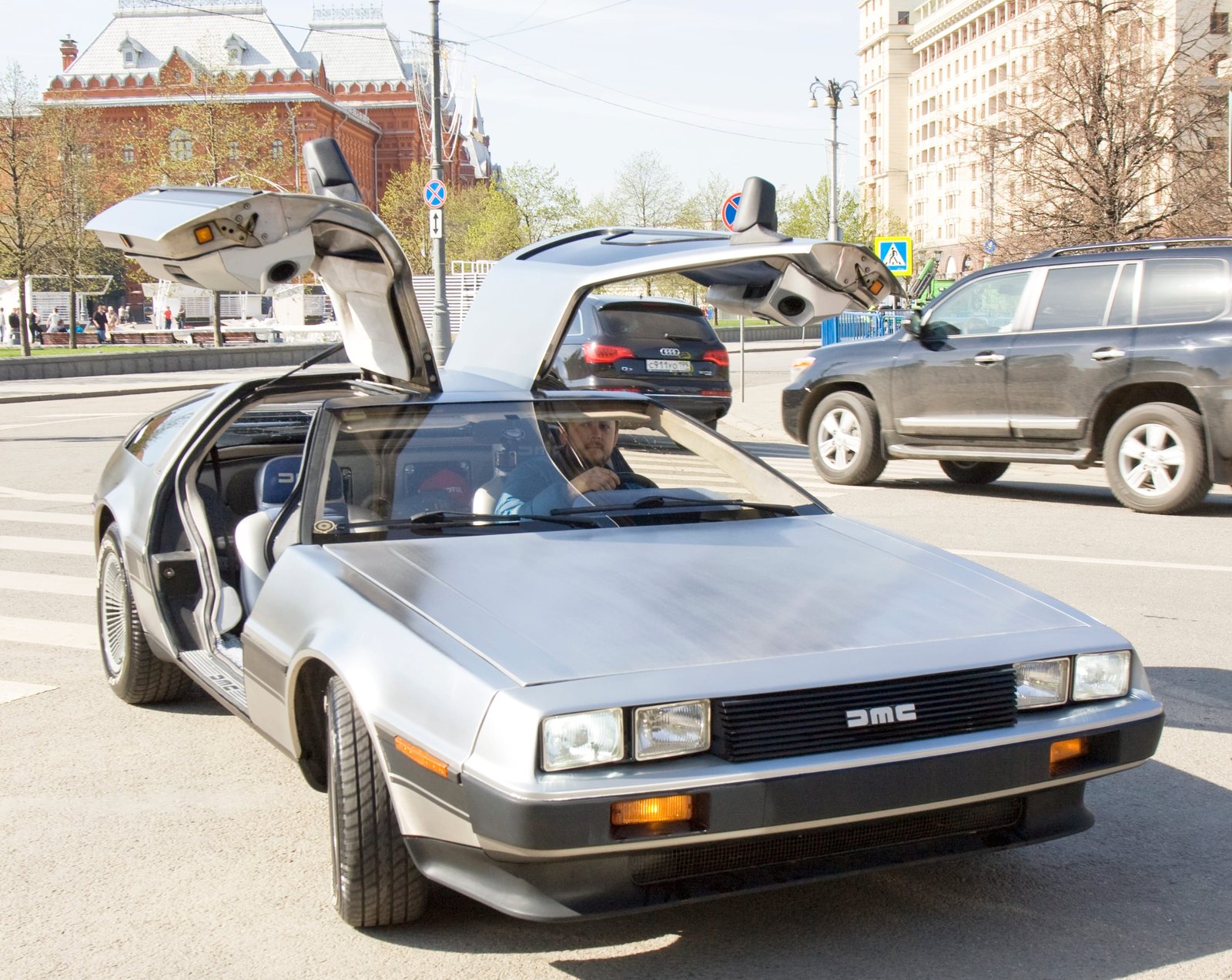
1. DeLorean DMC-12
With its stainless-steel body panels and gull-wing doors, the DeLorean looked like nothing else on the road. According to Britannica, it was built from 1981 to 1983, about 9,000 were sold, and its 130 horsepower made it far slower than it looked.
The car was built in Dunmurry, just outside Belfast in Northern Ireland. The Ulster Museum says money troubles forced the factory to close in late 1982 and the company then collapsed. “Back to the Future” made the car famous anyway, which is why fans still line up to see one at car shows, the way they line up for the nostalgic items everyone had 30 years ago.
2. Pontiac Fiero
The Fiero was a two-seat, mid-engine car from GM, something you didn’t expect from Pontiac. It debuted for 1984 with a 92-horsepower four-cylinder, and a V-6 arrived for 1985. According to Hagerty, 1988 was the final year, even though that last model got a much-improved suspension.
If you were driving one of these to the video store on Friday nights, you probably remember the video store rules every 1980s kid knew.
3. AMC Eagle
Long before crossovers ruled the road, the AMC Eagle put four-wheel drive under an ordinary sedan, wagon and hatchback. Hagerty says it debuted in 1980 and was built on the AMC Concord body with fender flares and a new grille. No new Eagle has been sold in decades, and AMC itself no longer exists as a carmaker.
4. Yugo GV
The Yugo arrived in the U.S. in 1985 at a base price of $3,990, with a 55-horsepower engine and no air conditioning. According to Consumer Guide, Yugo sold more than 80,000 cars in the U.S. in 1986 and 1987 alone.
Sales then slumped as the Hyundai Excel came along with more features. Consumer Guide says Yugo America shut down after 1992 because of slowing sales, a poor reputation for quality and trouble keeping up with U.S. safety and emissions rules. Packing light was a must in a car that small, a lesson today’s travelers relearn with carry-on suitcases for Thanksgiving trips.
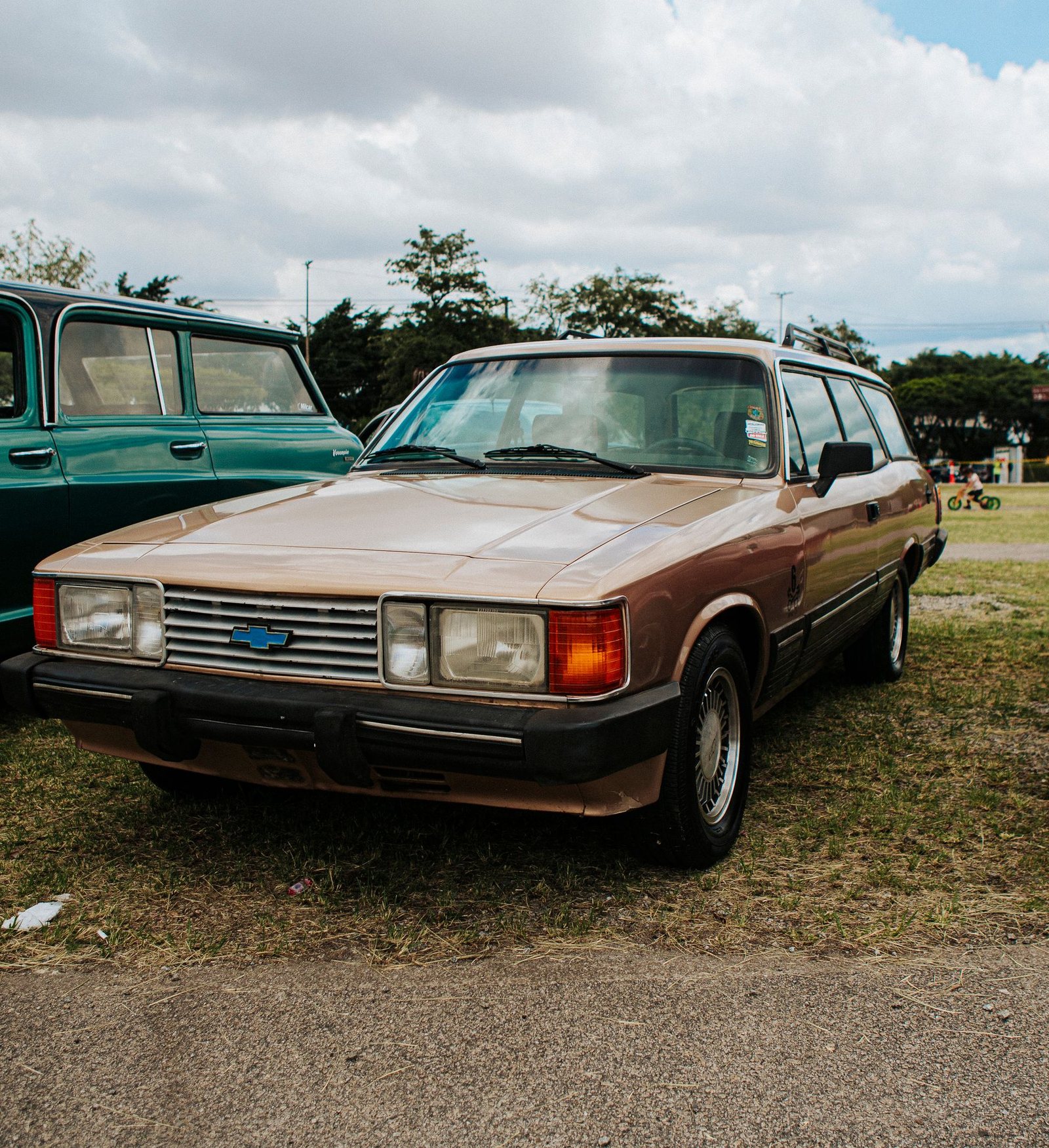
5. Merkur XR4Ti
Ford tried to win over BMW buyers by importing a German-built sports sedan under a new brand name, Merkur. The XR4Ti had a turbocharged 2.3-liter four-cylinder. Hagerty notes the Merkur experiment was over by 1989.
It is one more example of the things Americans and Europeans see differently. If you liked this list, you may also enjoy our look back at cars from the 1970s that no longer exist.
6. Chrysler TC by Maserati
In the late 1980s, Chrysler teamed up with Maserati on a two-seat luxury convertible. Hagerty says it started with a turbocharged 2.2-liter four-cylinder, later switched to a Mitsubishi V-6, and about 500 came with a manual transmission and a Cosworth-designed cylinder head. Hagerty lists it among the lost classics of the decade, and it never got a successor.
7. Cadillac Allanté
Cadillac’s answer to the Mercedes SL was a two-seat roadster with bodies built by Pininfarina in Italy. Hagerty says it was very expensive when new and that about 21,500 were built over seven model years. Its high price kept it a rare sight even in its day.
8. Bertone X1/9
The X1/9 started life as a Fiat, a small mid-engine sports car with a removable roof. Later it was sold here under the name of Bertone, the Italian design house behind it. Hagerty reports it was imported under the Bertone name until 1987, and more than 100,000 X1/9s came to the U.S. overall.
These cars may be gone from showrooms, but they still turn up at car shows, in old family photos and in the occasional garage where someone refused to sell. Each one tells a little story about the decade, from big-company gambles to small imports that tried to undercut everyone on price. Several of them, like the Eagle and the Fiero, look surprisingly ahead of their time today. If you owned one, it’s a story worth telling at the Thanksgiving table this year.