8 Christmas Dinner Traditions That Divide Families
Christmas dinner is supposed to bring families together. Everyone gathers around the table, the good dishes come out and the house smells like roasting meat and fresh-baked rolls. It’s a meal many people look forward to all year long.
But behind the holiday cheer, Christmas dinner can also spark some of the fiercest family debates. Should the main course be turkey, ham or prime rib? Is dinner served at noon or six o’clock? Does the meal happen on Christmas Eve or Christmas Day? Every family has its own answers, and when two families come together through marriage, those answers don’t always match.
These debates are usually good-natured, but some families argue about them every single year. Here are the Christmas dinner traditions that divide families across America.
1. Ham, Turkey or Prime Rib
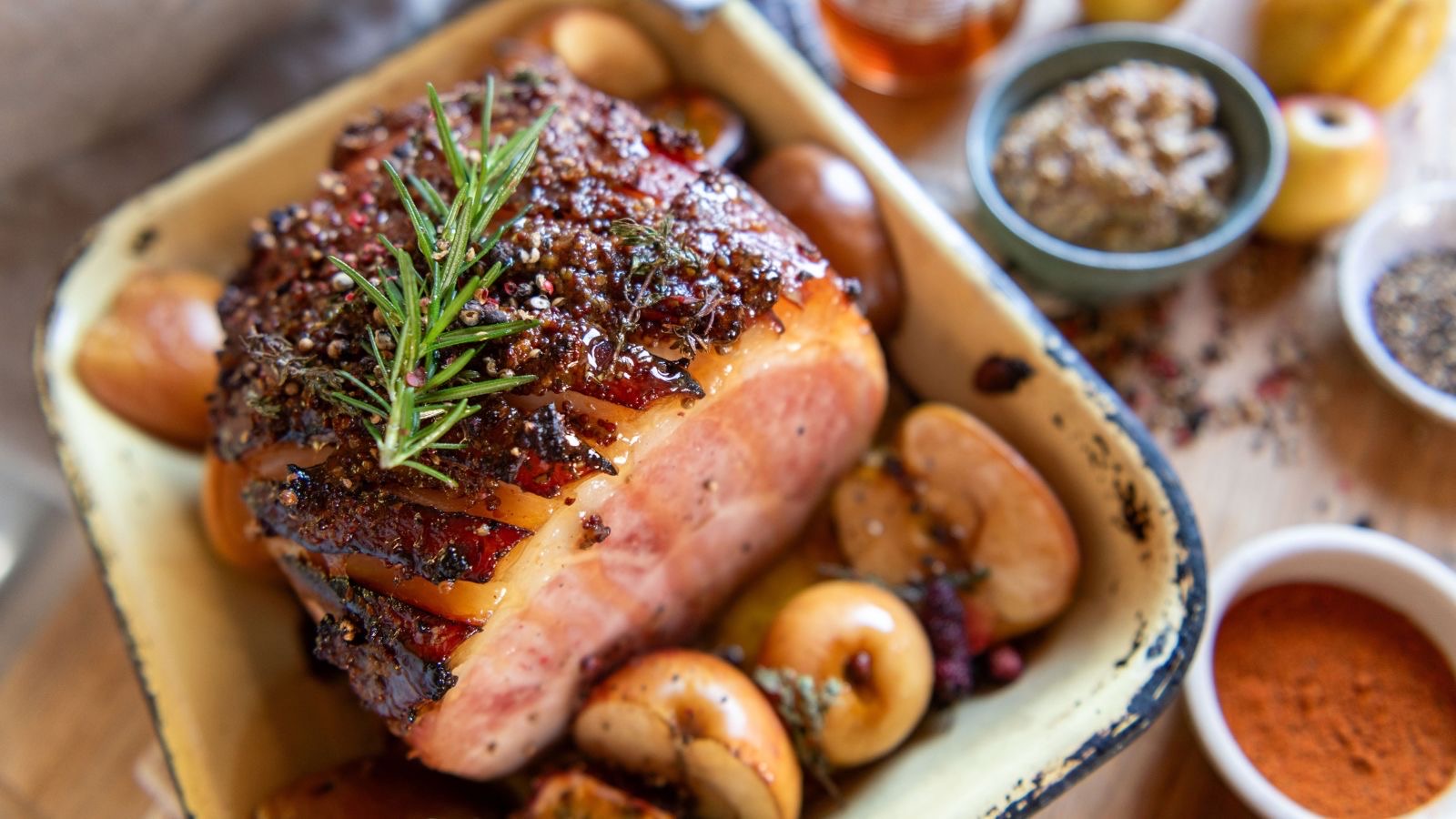
The biggest Christmas dinner debate is often about the main course. Some families serve turkey, since it’s a holiday classic. Others say turkey belongs to Thanksgiving and insist on a glazed ham for Christmas. And some go all out with prime rib, roast beef or beef tenderloin.
Each choice has its loyal fans. Ham lovers say it’s easier and tastes like Christmas. Turkey fans want a second chance at their favorite bird. Prime rib families argue that Christmas deserves something truly special. When families blend through marriage, deciding on the main dish can take some serious negotiation.
2. Christmas Eve or Christmas Day
Some families celebrate with a big dinner on Christmas Eve, while others save the feast for Christmas Day. For many families with European roots, especially Italian, Polish and Mexican families, Christmas Eve is the main event, often with traditional dishes and late-night celebrations.
Other families open presents on Christmas morning and gather for a big afternoon or evening meal on December 25. Couples from different traditions sometimes split the difference by celebrating with one family on Christmas Eve and the other on Christmas Day.
3. The Feast of the Seven Fishes
For many Italian American families, Christmas Eve means the Feast of the Seven Fishes. This tradition features a long meal of seafood dishes, such as fried smelts, baked clams, shrimp, calamari, salted cod known as baccalà and linguine with clam sauce.
Families who grew up with the feast often treasure it as a cherished tradition. But spouses who didn’t grow up with it may be surprised to find no meat on the table and a lineup of fish they’ve never tried. Some love it right away, while others quietly wish for a slice of ham.
4. Dinner Time
When exactly should Christmas dinner be served? Some families sit down at noon or 1 p.m., calling it Christmas dinner even though it’s technically lunch. Others wait until evening for a more traditional dinnertime meal.
This can lead to plenty of disagreements, especially when families are trying to visit multiple households in one day. An early dinner leaves time for an evening visit to the in-laws, while a late dinner gives everyone time to relax after opening gifts. Some families have argued over this for decades.
5. Store-Bought or Homemade
Some families insist that every dish on the Christmas table be made from scratch, from the rolls to the cranberry sauce to the pies. To them, store-bought shortcuts are almost an insult to the holiday.
Other families happily rely on store-bought help, whether it’s a spiral-cut ham, a bakery pie or a tub of mashed potatoes. They’d rather spend the day with family than in the kitchen. This difference can cause friction when a daughter-in-law shows up with a store-bought dessert at a homemade-only household.
6. Who Hosts
The question of who hosts Christmas dinner can be surprisingly sensitive. In many families, one person, often a mother or grandmother, has hosted for decades. When grown children start families of their own, they may want to host, or the original host may want to pass the torch.
Deciding who hosts can bring up feelings about tradition, aging and family roles. Some families rotate hosting duties, while others keep it with the same person until they’re no longer able. Handing off the holiday can be emotional for everyone involved.
7. The Kids’ Table
Many families have a kids’ table at Christmas dinner, where children eat separately from the adults. For some, it’s a fun tradition. For others, it becomes a point of contention, especially when “kids” in their 20s and 30s are still stuck at the folding table.
Some families argue that everyone should eat together, regardless of age. Others say the kids’ table gives children a chance to be loud and silly without disrupting the adults. Graduating to the grown-up table can feel like a rite of passage.
8. Saying Grace and Other Rituals
Families have different traditions about how Christmas dinner begins. Some say grace, while others go around the table sharing what they’re thankful for. Some families read the Christmas story from the Bible, sing carols or light candles before eating.
When families blend, these rituals can lead to awkward moments. One side might expect a long prayer while the other is used to diving right in. Respecting each other’s traditions and finding common ground can help everyone feel welcome.
Why These Traditions Matter
Christmas dinner traditions often carry deep meaning. They connect families to their heritage, their faith and the people they’ve lost. A particular dish might remind someone of a beloved grandmother, while a ritual might bring back memories of childhood Christmases.
That’s why debates over Christmas dinner can feel so personal. When someone suggests changing the menu or the timing, it can feel like a challenge to cherished memories. Understanding the emotions behind these traditions can help families navigate disagreements with more patience.
Finding Compromise
Many families find creative ways to blend their traditions. They might serve both ham and turkey, celebrate on both Christmas Eve and Christmas Day or alternate traditions from year to year. Some create entirely new traditions that reflect their combined families.
Communication is key. Talking about plans early, listening to each other’s wishes and being willing to compromise can prevent hurt feelings. The goal is a celebration where everyone feels welcome.
The Heart of the Holiday
In the end, Christmas dinner is about more than the food on the table. It’s about gathering with the people you love, sharing traditions and creating new memories. Whether your family serves ham, turkey or seven fishes, the most important ingredient is togetherness.
So this Christmas, if your family starts debating the menu or the dinner time again, try to enjoy it. These good-natured arguments are part of what makes your family’s traditions uniquely yours.