8 Cities With the Worst Air Quality Globally
You think your city’s smoggy mornings are bad? Imagine waking up every day to skies so gray they blur the skyline, lungs burning before breakfast, and ordinary errands feeling like a battle against invisible poison. Millions of people around the world live like this, and it’s not just a seasonal problem.
Some of the world’s worst cities for air quality have reached levels that threaten basic health and daily life. These 8 cities are on a global watchlist for a reason, and reading about them might make you rethink what clean air really means.
Loni, India

Loni tops the list for a reason. The city is wrapped in a constant haze, where particulate matter so fine it slips into the lungs turns every breath into a hidden risk. Streets are clogged with vehicles, construction dust floats everywhere, and winter crop fires in surrounding areas trap pollutants low to the ground. People living here face daily headaches, burning eyes, and the long-term threat of serious heart and lung conditions. Loni is a warning of what happens when growth outpaces environmental safeguards.
Hotan, China
Hotan is more than just a dusty city; it’s a breathing hazard. Situated near the Taklamakan Desert, natural dust storms mix with factory emissions, creating a thick, persistent smog. Residents wear masks as part of everyday life, and children often skip outdoor activities because the air itself is unsafe. Even though geography plays a part, Hotan’s experience shows that human activity can amplify natural problems, turning a beautiful desert region into a daily struggle for clean air.
Byrnihat, India
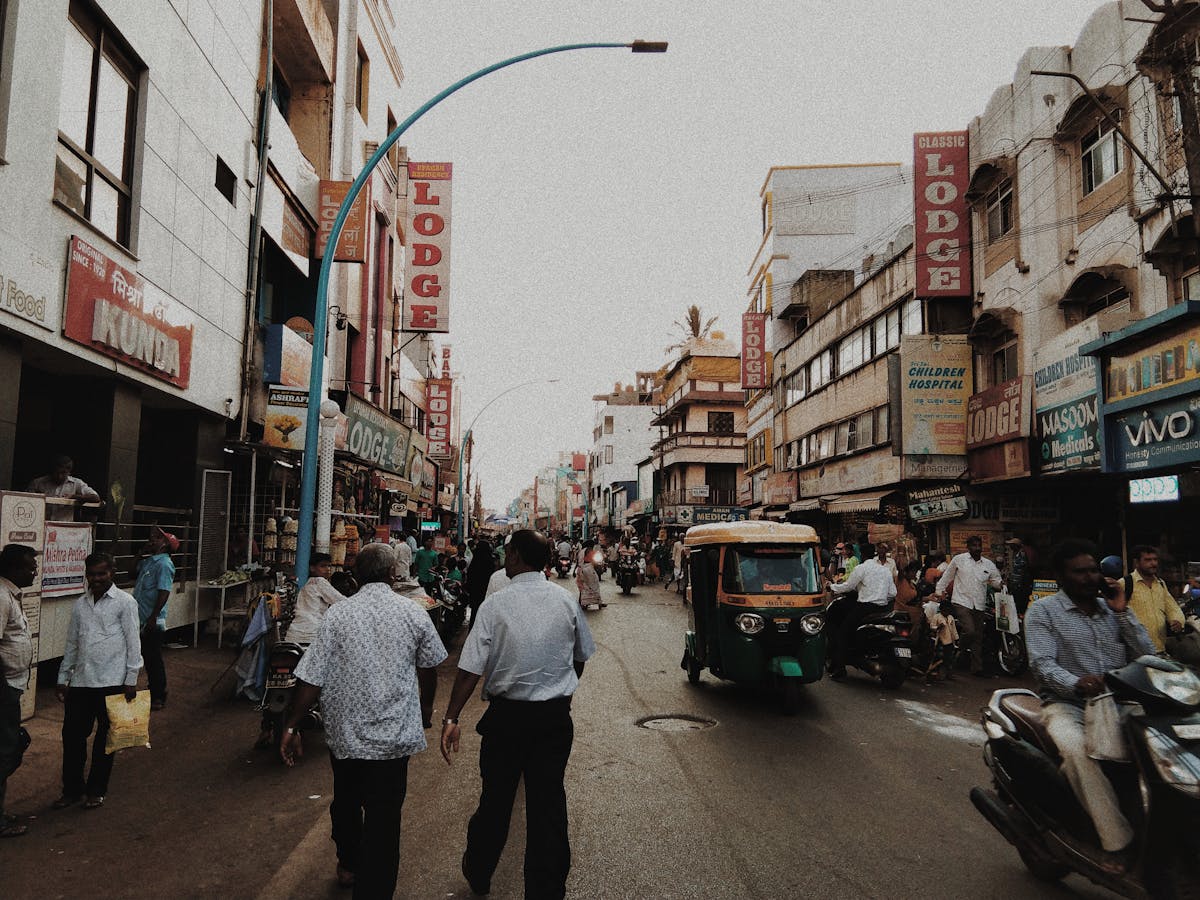
This industrial town seems ordinary until you notice the brown haze hovering above its streets. Factories, heavy trucks, and poorly maintained roads make every breath risky. Locals grow up surrounded by pollution, often unaware of the long-term damage it is causing to their lungs. Byrnihat highlights a harsh reality: economic growth without environmental planning can quietly undermine health over the course of decades.
Delhi, India
Delhi’s smog has become infamous, and for good reason. Every winter, the city transforms into a murky bubble where breathing without protection feels impossible. Traffic, construction, waste burning, and seasonal farm fires stack together to trap pollutants near the ground. Residents report burning throats, stinging eyes, and worsening asthma, while the city struggles to enforce solutions that truly improve air quality. Delhi’s crisis is a reminder that even megacities can fail at providing the basic necessity of clean air.
Faisalabad, Pakistan
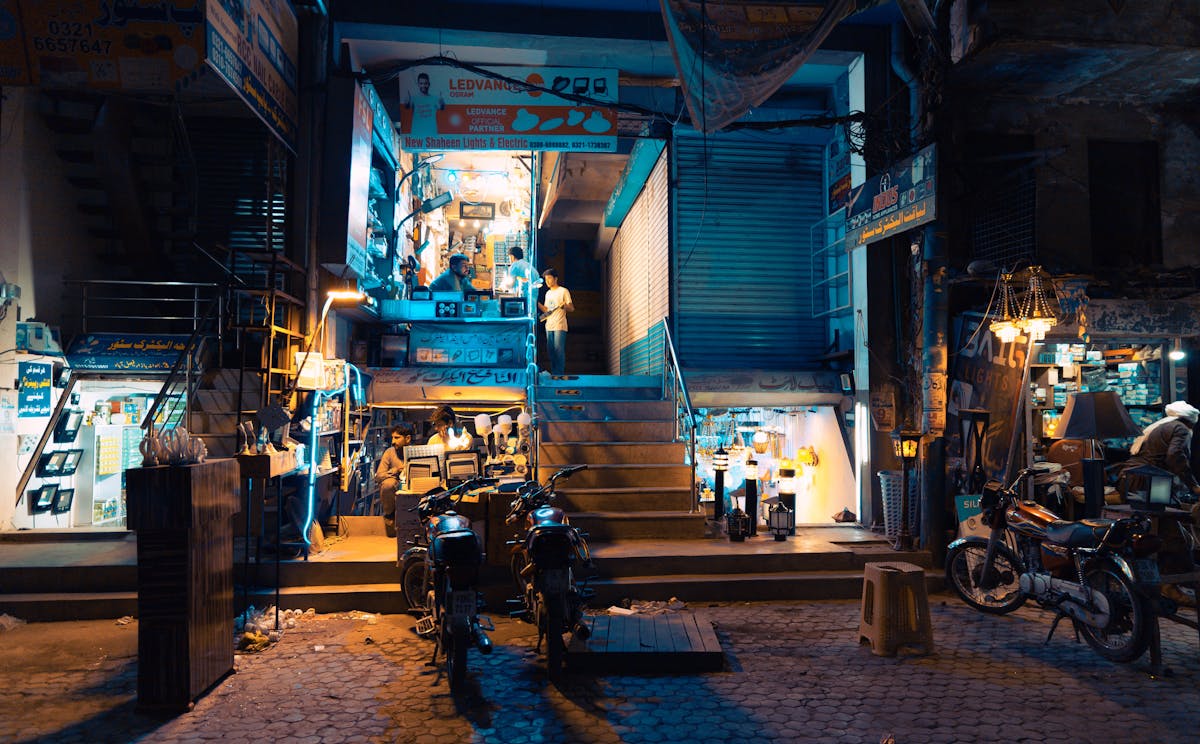
Faisalabad, an industrial hub, wears its pollution like a heavy cloak. Factories, brick kilns, and dense traffic release clouds of particulate matter that linger day and night. Locals grow accustomed to gray skies and smoky mornings, but long-term exposure can lead to cardiovascular disease, lung inflammation, and other chronic conditions. Faisalabad’s plight illustrates how industrial activity without modern regulation can silently threaten a city’s health for generations.
Rahim Yar Khan, Pakistan
Often overlooked, Rahim Yar Khan proves that dangerous air quality is not limited to megacities. Daily life here involves breathing thick, particle-laden air that can aggravate lungs and hearts over time. Its position in global air pollution rankings signals a hidden crisis, reminding us that some of the worst air pollution problems occur in smaller, less internationally recognized places.
Ghaziabad, India
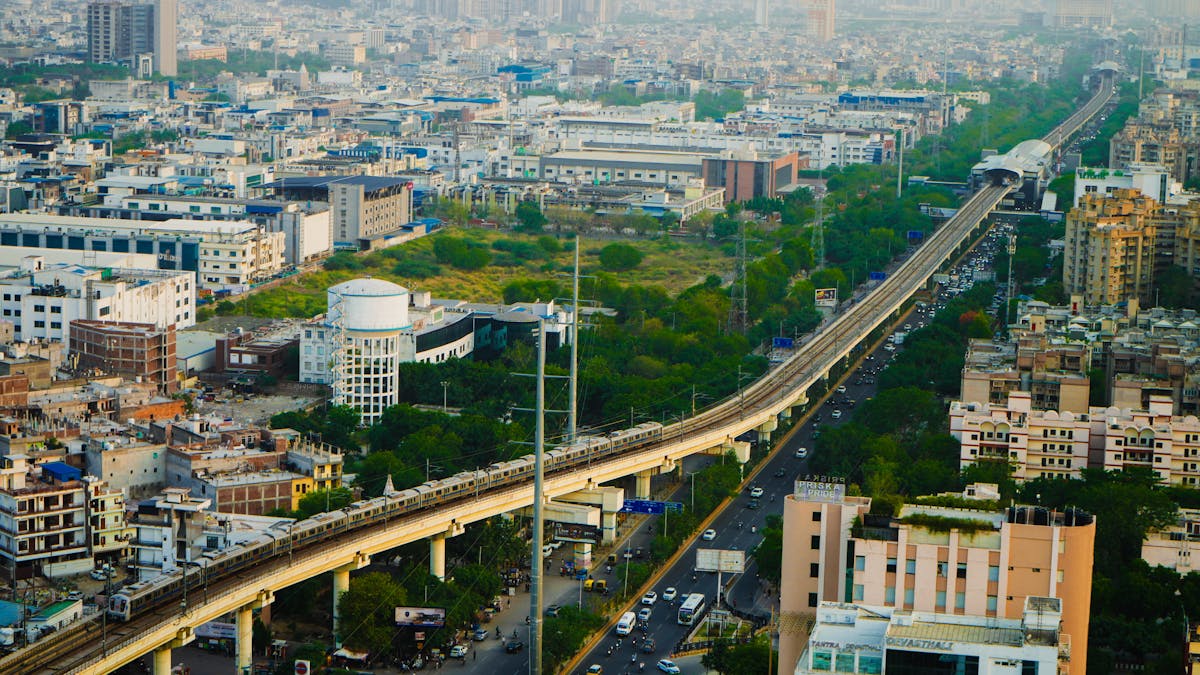
Ghaziabad suffers from pollution on multiple fronts. Traffic fumes, construction dust, and industrial emissions mix with seasonal smog, creating a toxic cloud that residents live under daily. What makes this city particularly alarming is that pollution crosses borders; Ghaziabad’s air problem isn’t confined to its borders, and regional coordination is essential to address it.
Lahore, Pakistan
Lahore is rich in culture, history, and food, but its air is toxic. Winters bring smog so thick that city landmarks fade into silhouettes. Industrial emissions, traffic, and seasonal fires combine to create a choking haze that lingers for weeks. Breathing here is a daily gamble, turning ordinary routines like walking to work or dropping kids off at school into a slow exposure to invisible danger.
Conclusion
These 8 cities are living proof that poor air quality is more than an inconvenience; it’s a daily assault on health. From tiny towns to global megacities, millions breathe dangerous air every day, facing long-term risks that most of the world barely notices. The lesson is clear: clean air is not a luxury. Without strict controls, smarter urban planning, and public awareness, entire communities will continue paying the hidden price of polluted skies.