8 Classic Candy Bars That Were Childhood Favorites for Baby Boomers
A handful of coins could make an ordinary afternoon feel like a special occasion. For many Americans growing up in the 1950s, 1960s, and 1970s, a visit to the neighborhood candy store meant facing an important decision. Would it be a chocolate bar filled with peanuts, something soft and chewy, or a sweet coconut treat wrapped in chocolate? The choices were familiar, but picking a favorite never got old.
Candy bars were more than inexpensive sweets. They were part of everyday childhood experiences, from after-school stops and Saturday movie outings to small treats tucked into lunch bags. Some brands had already been around for decades before Baby Boomers were born, while others arrived during their childhood years.
Although every generation has its own favorites, these eight classic candy bars have histories that reach back to the days when a few coins could buy a memorable treat.
Hershey’s Milk Chocolate Bar
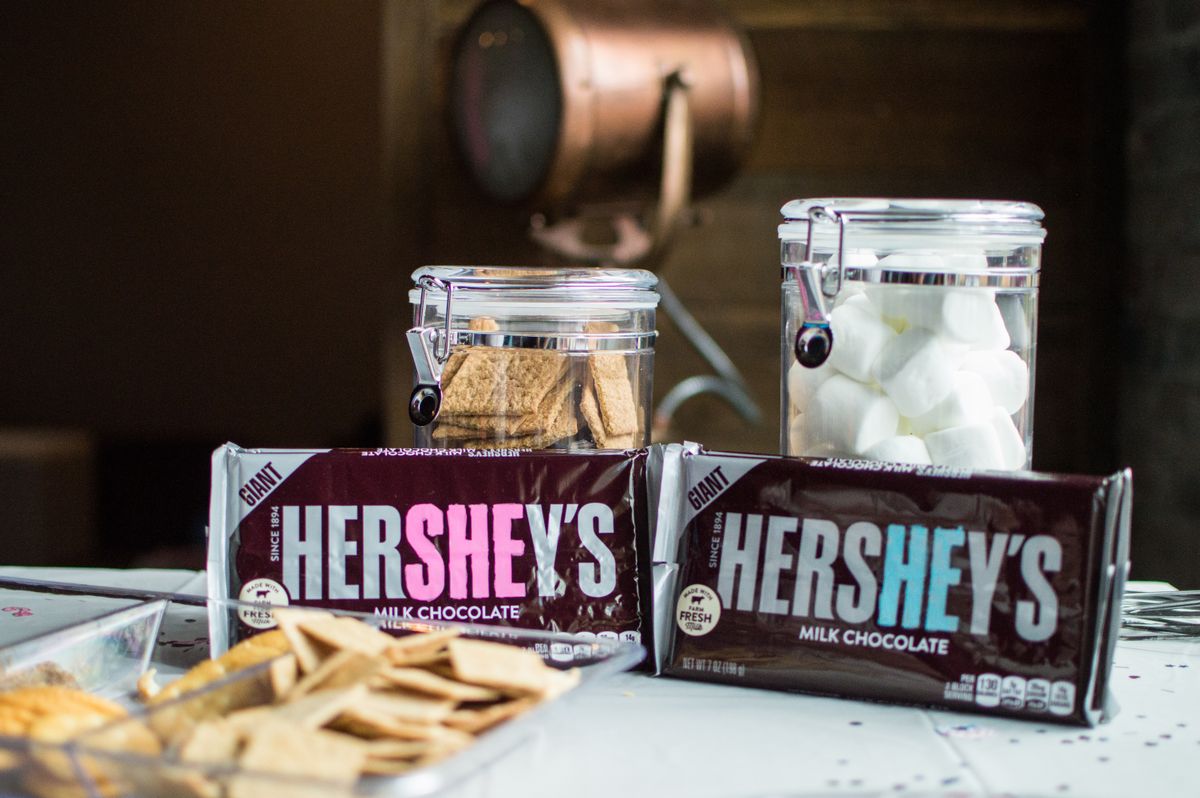
Sometimes, the best candy choice was the simplest one. Hershey’s Milk Chocolate Bar offered a familiar chocolate flavor without peanuts, caramel, nougat, or other fillings. Its straightforward recipe made it an easy choice for anyone who wanted chocolate without extra surprises.
Milton Hershey introduced the milk chocolate bar in 1900. He wanted to make chocolate affordable and accessible to more Americans, rather than something reserved for people who could afford expensive European chocolates. By the time Baby Boomers started visiting candy counters, the bar was already a familiar name.
Its long history makes it an interesting part of American candy nostalgia. Generations before the Boomers had enjoyed it, and the familiar brown wrapper continued to appear in stores throughout their childhood.
Milky Way
For candy lovers who preferred something soft and chewy, Milky Way offered a combination that was difficult to confuse with a plain chocolate bar. Its American version features chocolate malt-flavored nougat and caramel covered in milk chocolate.
Frank Mars introduced Milky Way in 1923. Interestingly,it drew inspiration from malted milk drinks, which were popular at the time. Mars wanted to capture that familiar flavor in a convenient candy bar.
The combination gave customers several textures in one bite. The nougat provided a soft center, while the caramel added a sticky sweetness beneath the chocolate coating. It became a recognizable name in the candy aisle long before the Boomer generation.
Mr. Goodbar
Chocolate and peanuts have been a popular combination for generations, and Mr. Goodbar helped make that pairing memorable. Hershey introduced the candy bar in 1925, combining milk chocolate with roasted peanuts.
Its name has an entertaining origin story. According to Hershey’s company history, an executive reportedly described the new candy as a good bar. Milton Hershey supposedly heard the words as Mr. Goodbar, and the name stuck.
The appeal was straightforward. The chocolate provided sweetness, while the peanuts brought a satisfying crunch. It offered something different from candy bars built around soft nougat or caramel.
For Boomers who remember seeing its distinctive name among the candy-counter choices, Mr. Goodbar represents one of those old-fashioned combinations that never needed much explanation.
Snickers
Snickers brought several familiar candy ingredients together in one wrapper. Its mix of peanuts, caramel, nougat, and milk chocolate created crunchy and chewy textures that set it apart from simpler chocolate bars.
Mars introduced Snickers in 1930. The candy became an important part of the company’s American business, and its peanut production eventually grew alongside demand for the bar. In 1964, Mars established Peanut Craftsmen in Albany, Georgia, to help supply peanuts for Snickers and other peanut-based candy production.
For children growing up during the 1950s, 1960s, and 1970s, Snickers was already an established candy-bar option. Its layered filling made it a substantial-looking treat, especially compared with a plain chocolate bar.
Even today, its combination of chocolate, caramel, nougat, and peanuts remains one of the most recognizable formulas in American candy history.
3 Musketeers
Not everyone wanted peanuts in their chocolate bar. For those who preferred a softer filling, 3 Musketeers offered something different.
Introduced in 1932, the candy originally came in three separate pieces: chocolate, vanilla, and strawberry. Mars later changed the product into the single, chocolate-flavored nougat bar candy lovers know today.
Its signature feature is the light, fluffy nougat center covered in milk chocolate. Unlike Snickers, which offers peanuts and caramel, 3 Musketeers focuses on a softer texture and a simpler combination.
For Boomers who chose candy based on their preferred filling, this bar offered a welcome alternative. It proved a candy bar didn’t need several ingredients to become a recognizable favorite.
PayDay
PayDay took a different approach to the traditional chocolate candy bar. Instead of covering its filling in chocolate, it featured salted peanuts surrounding a sweet caramel center.
First manufactured in 1932 by Hollywood Brands, PayDay was created by Frank Martoccio. Its unusual name also has an interesting story. According to the history Hershey shared, the inventors supposedly chose the name because it was payday at the factory.
The combination of salty peanuts and sweet caramel gave the bar a distinctive taste and texture. It also made PayDay stand out among the chocolate-covered options commonly found in candy stores.
For anyone who preferred peanuts over chocolate coatings, it was a memorable alternative that had already been around for years before Baby Boomers started buying their own treats.
5th Avenue
The name 5th Avenue might sound like something associated with an expensive New York shopping trip, but this candy bar was a familiar treat for chocolate lovers.
Introduced by Luden’s in 1936, 5th Avenue featured a crunchy peanut butter center covered in chocolate. Its original version also included toasted almonds on top, although the recipe changed over the years.
The peanut butter-and-chocolate combination gave it a different character than candy bars filled with nougat or caramel. Its crunchy center also made it particularly distinctive.
For Boomers who encountered it in childhood, 5th Avenue offered another option when the usual chocolate-and-peanut combinations no longer sounded interesting.
Almond Joy
Almond Joy arrived in 1946, making it the youngest candy bar in this particular collection. Introduced by Peter Paul, it brought together sweet coconut, whole almonds, and a milk chocolate coating.
Its coconut center set it apart from the peanut-based candy bars that dominated much of the candy aisle. The whole almond on top added crunch, while the chocolate coating brought everything together.
The brand also became memorable through its advertising. In January 1977, Almond Joy’s familiar television campaign featuring the phrase “Sometimes you feel like a nut” began airing. For Boomers who watched television then, the catchy advertising helped make the candy’s name even more recognizable.
It remains a nostalgic choice for people who preferred coconut-filled sweets over the usual caramel and peanut combinations.
Key Takeaway
These eight candy bars remind us that childhood treats didn’t have to be expensive or complicated to be memorable. Some offered peanuts and crunchy fillings, others relied on fluffy nougat or sweet caramel, and a few stood out through coconut or straightforward milk chocolate.
For Baby Boomers, the memories may be connected to a neighborhood candy counter, a school lunch, or a Saturday afternoon movie. The brands have changed in some ways over the decades, but their histories remain part of America’s candy culture. Sometimes, remembering a favorite chocolate bar is enough to bring back the feeling of being a kid with a few coins and a whole candy aisle to choose from.