8 Dangerous Ways Alcohol Quietly Damages the Body After Years of Drinking
Alcohol rarely walks into the body like a thief breaking glass. Most of the time, it enters dressed as a weekend habit, a dinner companion, a stress reliever, or a social tradition that feels harmless because everyone else seems to be doing it too.
The danger is that long-term drinking can damage organs quietly, often before a person connects the symptoms to alcohol. The CDC says excessive alcohol use can have immediate and long-term health effects, and about 178,000 people die from excessive alcohol use each year in the United States.
It Slowly Overworks the Liver
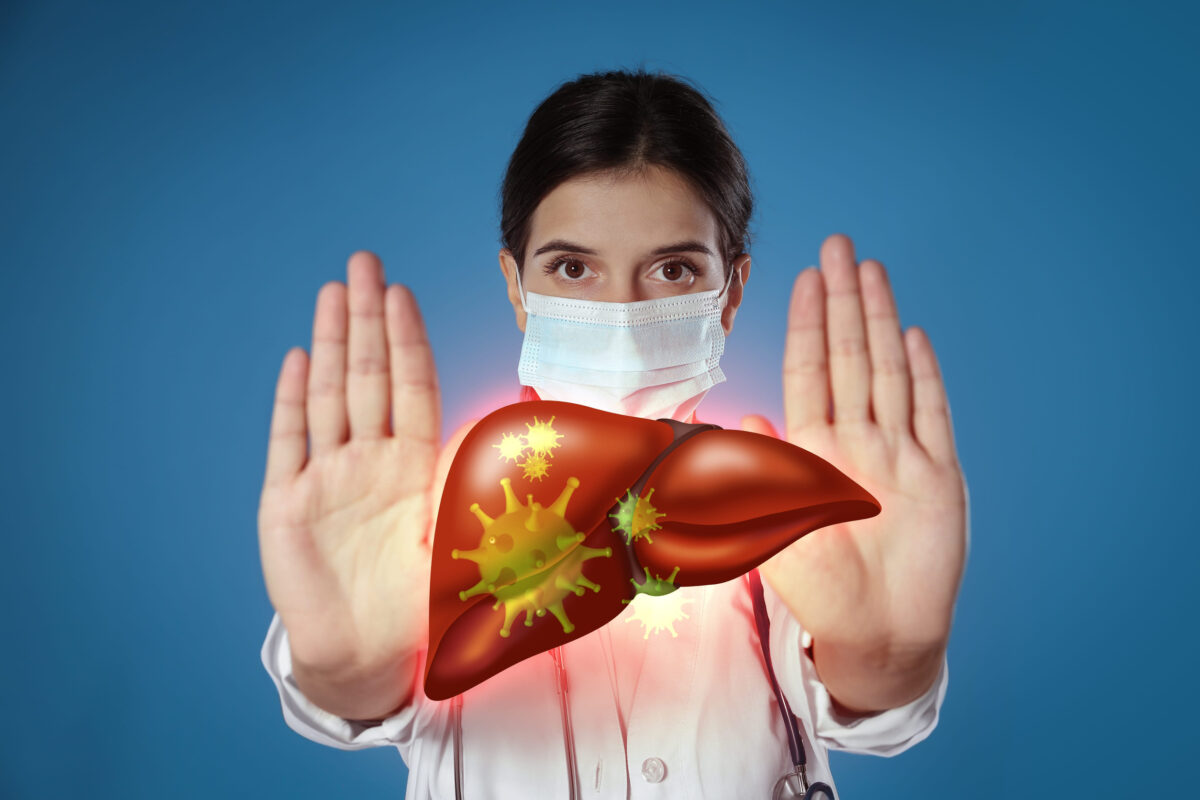
The liver is the body’s tireless cleanup crew, but alcohol forces it to work overtime. Every drink has to be processed, and the liver can only handle small amounts at a time. When alcohol keeps coming in year after year, the extra burden can lead to fat buildup, inflammation, scarring, and eventually serious liver disease. The CDC notes that alcohol moving through the body can harm the liver and other organs.
The scary part is that liver damage can stay quiet for a long time. A person may feel mostly normal until fatigue, swelling, yellowing skin, appetite changes, or abdominal discomfort begin to appear. By then, the damage may already be advanced. That is why heavy drinking over many years can feel like nothing is happening, even as the liver is taking hit after hit.
It Weakens the Heart Muscle
Alcohol does not just affect the liver. It can quietly strain the heart, too. Long-term heavy drinking can weaken the heart muscle, raise blood pressure, trigger irregular heartbeat, and increase the risk of a heart attack. NIAAA reports that alcohol misuse can damage the heart and contribute to cardiomyopathy, high blood pressure, arrhythmia, and ischemic heart disease.
This matters because heart damage is easy to overlook until it becomes frightening. Shortness of breath, chest discomfort, dizziness, swollen legs, or a racing heartbeat may be brushed off as stress, aging, or poor sleep. Years of drinking can make the heart pump less efficiently, which means the body may receive less oxygen-rich blood. The result is not always dramatic at first, but it can become dangerous over time.
It Raises Cancer Risk

One of alcohol’s most uncomfortable truths is its cancer link. Many people worry about sugar, processed meat, or pollution, yet they rarely think about the drink in their hand as a cancer risk. The CDC says all alcoholic drinks, including beer, wine, and liquor, increase cancer risk, with links to cancers of the mouth, throat, voice box, esophagus, colon and rectum, liver, and breast in women.
Alcohol can damage DNA, increase inflammation, affect hormones such as estrogen, and make tissues in the mouth and throat more vulnerable to cancer-causing chemicals. This does not mean every person who drinks will develop cancer, but the risk rises as exposure builds. That is the quiet danger. The body may not send a warning signal while cellular damage is building in the background.
It Damages the Brain and Memory
Years of drinking can change the brain in ways that feel subtle at first. A person may notice weaker focus, slower thinking, mood swings, poor sleep, or memory gaps that become easier to explain away. Alcohol affects brain communication pathways, and repeated exposure can make the brain work harder to do what once felt simple.
The damage is not always obvious in public. Someone may still work, socialize, and manage daily tasks, yet privately struggle with foggy thinking, emotional outbursts, anxiety, or forgetfulness. Over time, alcohol can make the brain less resilient, especially when drinking combines with poor nutrition, sleep loss, and stress. That slow erosion can affect relationships, decision-making, and personal safety.
It Irritates the Digestive System

Alcohol passes through the digestive tract before the rest of the body feels its full effects, and repeated contact can cause trouble. It can irritate the stomach lining, worsen acid reflux, disrupt digestion, and contribute to painful inflammation in organs involved in digestion. The CDC lists digestive problems among the long-term health effects linked to excessive alcohol use.
This damage can show up as bloating, nausea, burning pain, diarrhea, appetite changes, or unexplained weight shifts. Many people blame spicy food, stress, or late meals, missing the alcohol pattern entirely. Over the years, the gut can become a warning board covered in small signs that are easy to ignore until the discomfort becomes constant.
It can inflame the Pancreas.

The pancreas helps the body digest food and regulate blood sugar, but alcohol can inflame it. Pancreatitis can be sudden and severe, or it can become a chronic problem that flares again and again. Some studies show that three or more drinks a day may increase the risk of stomach and pancreatic cancers, and the CDC notes possible links between alcohol and pancreatic cancer risk.
Pancreatic damage can feel brutal when it becomes obvious. Pain may spread through the upper abdomen and into the back, and digestion may become difficult. The danger is that people often do not think about the pancreas until something goes badly wrong. Alcohol can quietly push this organ into distress long before the pain demands attention.
It Weakens the Immune System

A strong immune system is supposed to defend the body quietly every day. Alcohol can weaken that defense. NIAAA reports that drinking too much can make the body an easier target for disease, and heavy use can interfere with multiple parts of the immune response. Even a single heavy drinking occasion can slow the body’s ability to fight infection for up to 24 hours.
This can mean more frequent illness, slower healing, more inflammation, and weaker recovery after injury or infection. The body may still fight, but it fights with fewer tools. Over the years, that can leave a person more vulnerable than they realize, especially when alcohol combines with poor sleep, smoking, chronic stress, or an unhealthy diet.
It Disrupts Blood, Nutrients, and Energy
Long-term heavy drinking can quietly interfere with the blood and the body’s nutrient balance. NIAAA notes that heavy alcohol use can contribute to blood-related problems such as anemia, low white blood cell levels, low platelet levels, and enlarged red blood cells. These changes can affect energy, immunity, bruising, healing, and the body’s ability to carry oxygen.
That is why years of drinking may show up as tiredness, weakness, pale skin, frequent infections, easy bruising, or feeling run-down without a clear reason. Alcohol can also crowd out healthier foods and interfere with the body’s ability to use key nutrients. The result can feel like ordinary exhaustion, but the deeper issue may be the body struggling to repair itself.
Conclusion
Alcohol damage is dangerous because it often arrives quietly. The liver works harder, the heart strains, the brain adapts, the immune system weakens, and cancer risk can rise without a dramatic early warning. The World Health Organization says alcohol plays a causal role in more than 200 diseases, injuries, and other health conditions, including liver disease, heart disease, several cancers, depression, anxiety, and alcohol use disorder.
The hopeful part is that cutting back or quitting can lower risk and give the body a better chance to recover. Anyone dealing with chest pain, yellowing skin, severe abdominal pain, blackouts, withdrawal symptoms, or drinking that feels hard to control should speak with a medical professional as soon as possible. Alcohol may be common, but common does not mean harmless. Over time, the body remembers what the calendar tries to hide.