8 Dinners That Got Families Through the 1970s Recession
If you were running a household in the mid-1970s, you probably remember the shock of watching grocery prices climb week after week. Gas lines stretched around the block, paychecks didn’t seem to go as far and a pound of beef suddenly felt like a luxury. Families had to get creative to keep everyone fed without blowing the budget.
The National Bureau of Economic Research dates that recession from November 1973 to March 1975, a 16-month slump that was one of the longest since World War II. It hit during what the Federal Reserve calls the Great Inflation, a period from 1965 to 1982 when prices rose year after year. Here are eight dinners that helped families stretch their food dollars through those tough years.
Why Grocery Bills Felt So Painful
Food prices were already climbing before the recession officially began. On March 29, 1973, President Nixon told the nation in a televised address that he had ordered a ceiling on prices of beef, pork and lamb. Days later, shoppers across the country joined a weeklong meat boycott in early April to protest rising prices.
Then came the oil crisis. According to Federal Reserve History, the 1973 oil embargo helped push the price of oil from $2.90 a barrel to $11.65 by January 1974. Higher energy costs rippled through everything from trucking to packaging, and families felt it at the checkout counter.
1. Hamburger Helper
No dinner captures the era better than Hamburger Helper. General Mills says the boxed dinner was first launched on the West Coast in December 1970, when beef prices were soaring and the economy had weakened. It went national in August 1971 with five flavors, including Beef Noodle, Potato Stroganoff and Chili Tomato.
The promise was simple: one pound of hamburger, one pan and one box could feed a family of five. According to General Mills, 27 percent of U.S. households bought Hamburger Helper in its first year. By the time the recession hit, it was a weeknight staple in kitchens across the country.
2. Tuna Noodle Casserole
When beef got expensive, canned tuna stepped in. Tuna noodle casserole combined egg noodles, a can of cream of mushroom soup, canned tuna and frozen peas, often topped with crushed potato chips or buttered breadcrumbs. It baked in one dish and fed a crowd for a few dollars.
It was the kind of dinner that showed up at church suppers, family reunions and plenty of ordinary Tuesday nights. Like many classic casseroles, it relied on pantry staples that were easy to keep on hand. Leftovers reheated well for lunch the next day.
3. Chili With Beans
A big pot of chili was one of the smartest ways to stretch a small amount of ground beef. Kidney or pinto beans added protein and bulk, while canned tomatoes, onions and chili powder brought plenty of flavor. Some cooks used half the meat their recipe called for and simply added more beans.
Chili also froze well, which made it perfect for cooking once and eating twice. Families served it over rice, with saltine crackers or alongside a pan of cornbread. A single pot could feed a large family for a couple of nights.
4. Sloppy Joes
Sloppy Joes were a favorite with kids and a lifesaver for busy moms. Ground beef simmered with ketchup, onion, a little mustard and brown sugar, then got piled onto soft hamburger buns. Canned sauce was also available for families who wanted an even quicker version.
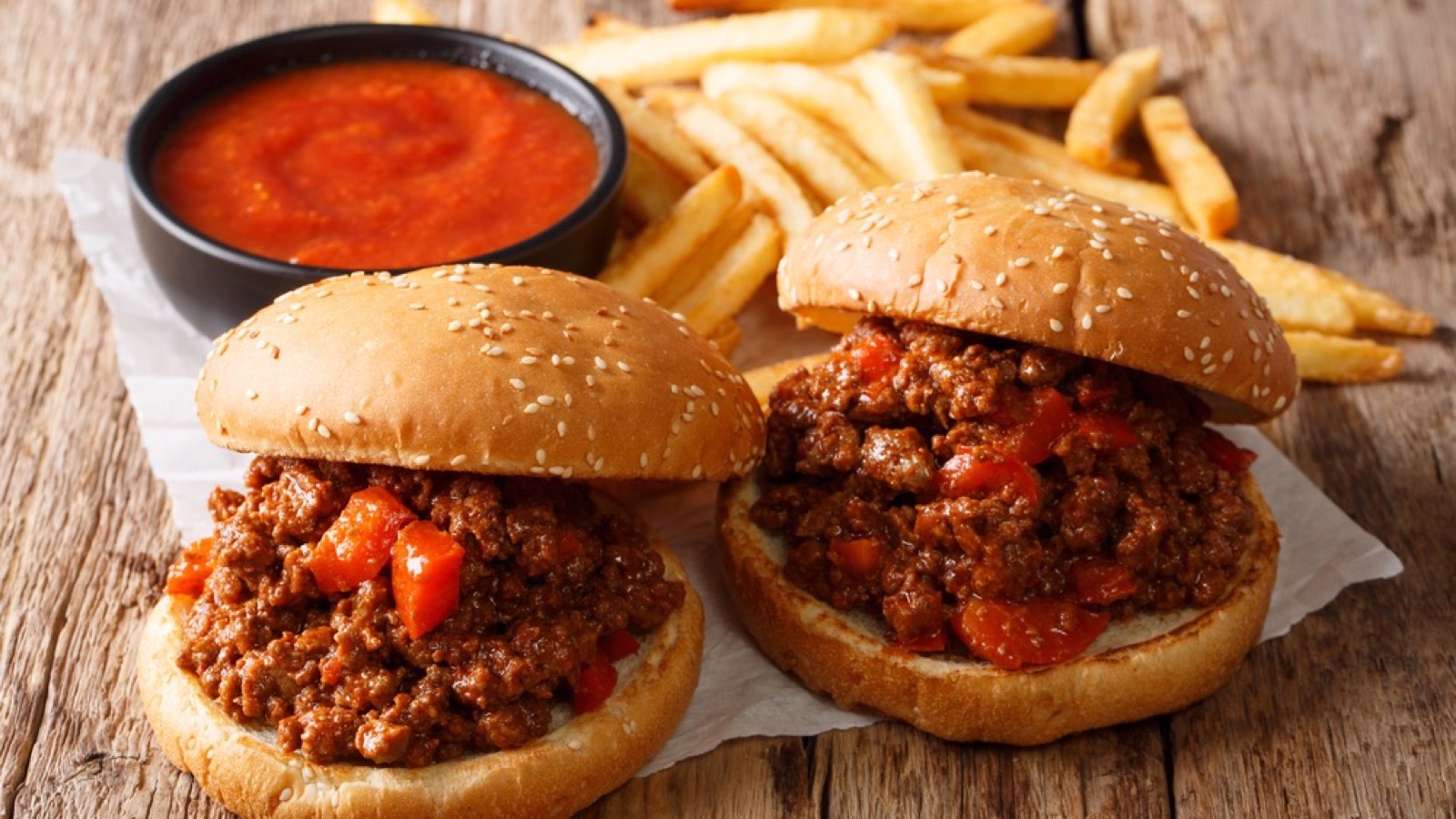
The secret to their thrift was the sauce. A pound of beef could be stretched with chopped onions, green peppers and sometimes oatmeal or breadcrumbs to make it go further. Served with canned corn or a simple salad, it made a hearty meal for very little money.
5. Meatloaf Stretched With Oats or Crackers
Meatloaf had been around for generations, but it took on new importance when meat prices spiked. Home cooks bulked up ground beef with rolled oats, crushed saltines, bread soaked in milk or leftover rice. A mix of ground beef and cheaper ground pork was another popular trick.
A good meatloaf could feed a family one night and become sandwiches the next day. Many cooks topped it with a glaze of ketchup and brown sugar that kids loved. Mashed potatoes and green beans rounded out a meal that felt like a treat even on a tight budget.
6. Spaghetti With Meat Sauce
Spaghetti was one of the cheapest ways to feed a hungry family. A box of pasta cost very little, and a pot of tomato sauce could be made with just a small amount of ground beef or sausage. On really tight weeks, many families skipped the meat entirely and served a simple marinara.
Homemade garlic bread and a bowl of iceberg lettuce salad turned it into a full dinner. Spaghetti night was also easy to scale up when relatives or neighbors dropped by. It’s no surprise it became a weekly tradition in many homes.
7. Chicken and Rice Casserole
When beef and pork prices climbed, many families turned to chicken. Buying a whole chicken and cutting it up at home was cheaper than buying parts, and nothing went to waste. The bones and backs often went into a pot to make broth for soup later in the week.
Chicken and rice casserole was a favorite way to use it. Rice, chicken pieces and a can of cream of chicken or mushroom soup baked together in a single dish until everything was tender. It was filling, comforting and easy to stretch with a little extra rice.
8. Macaroni and Cheese and Other Meatless Meals
The meat boycott of 1973 encouraged many families to try meatless nights, and some stuck with them long after prices settled. Macaroni and cheese, whether homemade or from a blue box, was one of the most popular choices. Kids loved it, and it cost a fraction of a meat-centered dinner.
Other meatless favorites included grilled cheese with tomato soup, scrambled eggs with toast, baked beans and pancakes for supper. These simple meals kept families fed on the leanest weeks before payday. Many of these boomer favorites are still comfort food today.
How Families Made Their Food Budgets Stretch
Beyond these dinners, families leaned on habits that many grandparents had learned during the Great Depression. They planned meals around weekly sales, clipped coupons and bought store brands. Leftovers were never wasted, and stale bread became breadcrumbs or bread pudding.
Many families also planted backyard vegetable gardens and canned or froze tomatoes, beans and fruit for the winter. Bulk buying, home baking and cooking from scratch were all common ways to save. These skills helped households ride out years of rising prices and economic uncertainty.
Why These Dinners Still Matter
Inflation and high grocery prices are never far from people’s minds. Learning how inflation eats away at a paycheck helps explain why families of the 1970s relied on such simple, filling meals. Many of the same strategies still work today.
These dinners weren’t fancy, but they kept families fed and together around the table during a difficult time. Many people who grew up eating them still make them for their own children and grandchildren. Which of these dinners do you remember from the 1970s, and do you still make it today?