8 Dishes Grandma Made on Wash Day That Have Been Forgotten
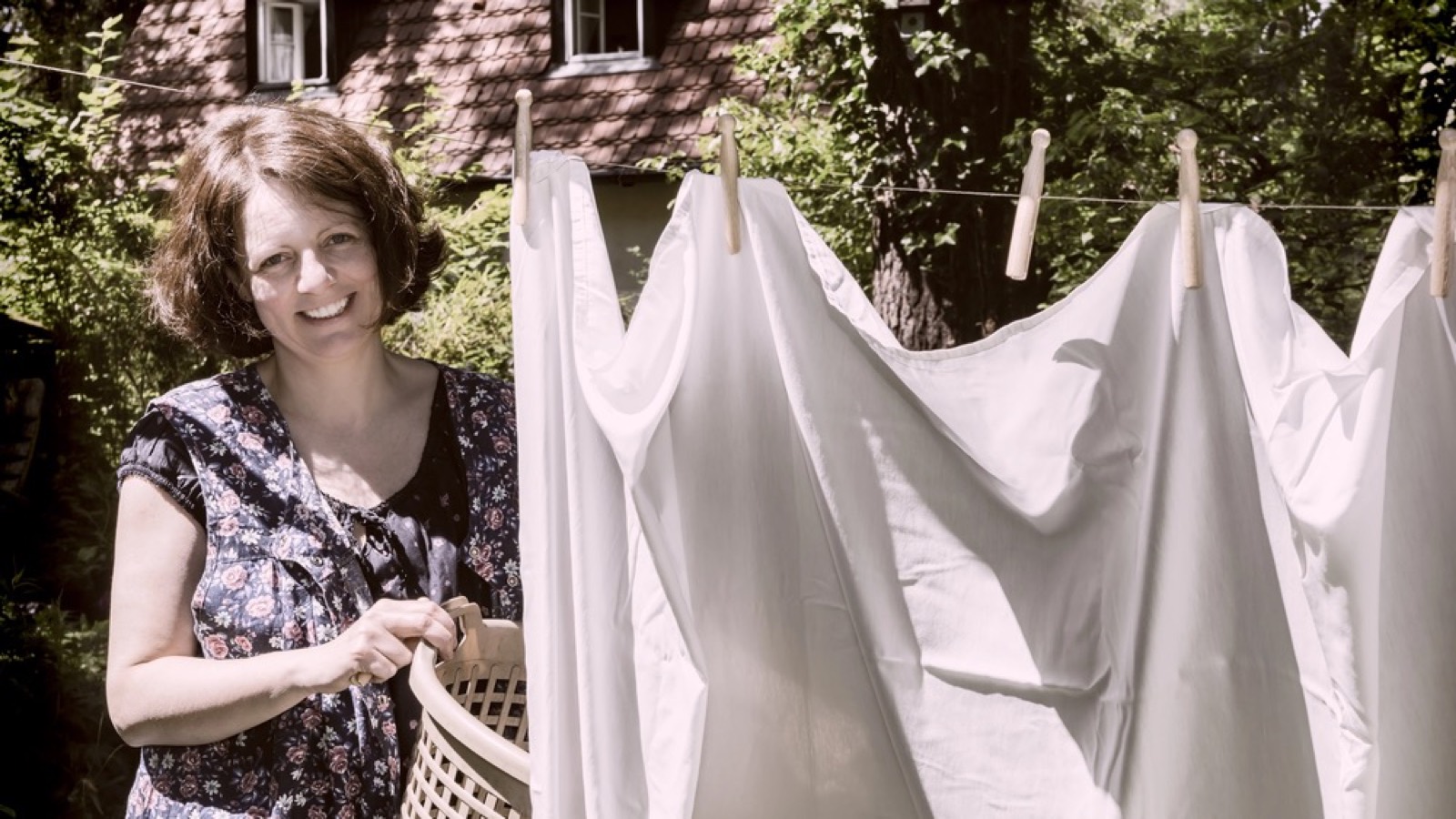
For generations of American women, Monday had a name, and it wasn’t a happy one. It was wash day, the day the whole week’s laundry got scrubbed, boiled, rinsed, wrung and hung out on the line. There were no machines that did the work while you sipped coffee. It was hot, heavy, all-day labor, and it left very little time for anything else.
Living History Farms in Iowa describes how clothes were soaked overnight, sorted, scrubbed on a washboard and boiled in a kettle on the stove for at least half an hour. Each piece was rinsed twice and wrung out by hand. The museum also points out a detail that’s easy to forget: even on wash day, the family still had to be fed three meals.
So grandmothers got clever. They planned meals that could simmer on their own, stretch Sunday’s leftovers or come together in minutes once the last sheet was pinned to the line. Many of those dishes have quietly faded from American tables. Here are eight dishes Grandma made on wash day that most families have forgotten.
1. Red Beans and Rice
In New Orleans, Monday and red beans still go together. As Tasting Table explains, the ham bone left over from Sunday dinner became the flavor base for Monday’s pot of beans. Once the beans were on, the cook could turn her full attention to the laundry.
The same hot coals that heated the wash water were just right for a long, slow simmer. By evening, the clothes were clean and the beans had turned thick and creamy. Louisiana rice company Camellia Brand notes that the Monday custom lives on in homes and restaurants across the city, long after the washboard was retired. Outside of Louisiana, though, few families still connect the dish to laundry day.
2. Ham and Beans With the Sunday Ham Bone
Far from New Orleans, grandmothers in the Midwest and the Ozarks had their own version of the same smart idea. They dropped navy or Great Northern beans into a big pot with the knuckle or bone from Sunday’s ham. Then they let it bubble on the back of the stove all day while they worked.
Some cooks added dumplings at suppertime to make the pot go further. Others served it plain with a slice of bread to sop up the broth. Plenty of people who grew up on farms remember walking in from school on a Monday to the smell of ham and beans and a kitchen full of drying shirts.
3. Soup Beans and Cornbread
In the mountains of Appalachia, the wash day pot often held pinto beans. Families called them soup beans, and they were simmered slowly with a piece of salt pork or ham until the liquid turned rich and savory. That broth, often called pot likker, was half the point.
Soup beans were almost always served with a skillet of cornbread, and sometimes with chopped onion or homemade chow chow on top. One pot could feed a big family for days, which made it perfect for a busy week. Today, many younger people have never tasted soup beans, and even fewer know they were once a wash day staple.
4. Roast Beef Hash
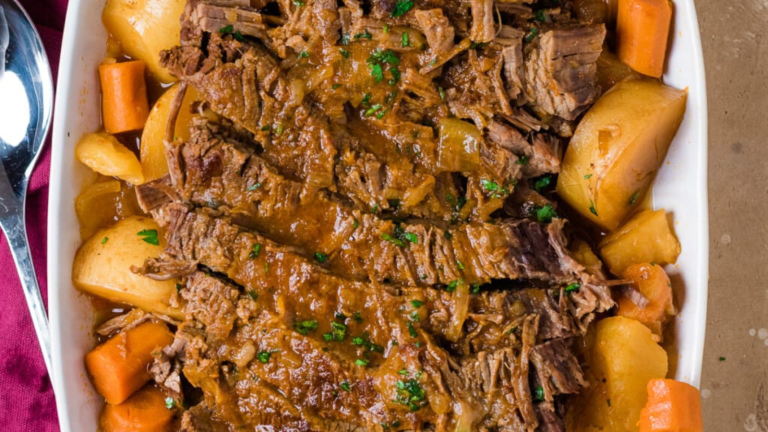
If Sunday dinner was a beef roast, Monday supper was often hash. Grandma chopped the leftover beef and cold boiled potatoes, added a little onion and fried it all in a hot skillet until the bottom turned crisp and brown. It took only a few minutes once the chopping was done.
Some families topped it with a fried egg, and others poured on a spoonful of leftover gravy. Many home cooks still remember hash as a “Monday night” meal in their house, made because the roast from the day before needed using up. Today, most people only know canned corned beef hash, and the homemade roast beef version has slipped out of rotation.
5. Wash Day Stew
Some cooks went one step further and built a whole stew they could start early and walk away from. There’s even a dish actually called Wash Day Stew, and recipes for it still turn up in community cookbooks. One version appears in the Fix-It and Forget-It slow cooker cookbook by Lancaster County author Phyllis Pellman Good.
The idea was simple. Meat, potatoes, carrots and onions went into one pot in the morning, and by dinnertime it was tender and ready. The name tells you everything about how important that one easy meal was to a tired homemaker. Younger cooks who own slow cookers may not realize they’re following the same plan their great-grandmothers used.
6. The Cold Monday Supper
Not every wash day meal was hot. In many homes, Monday supper was simply cold sliced meat from Sunday’s roast, bread and butter, pickles and whatever else was left in the pantry. After a full day over steaming tubs, nobody wanted to stand over a hot stove again.
This kind of meal had a mixed reputation. Older cookbooks and household guides from the 1800s complained that husbands dreaded wash day because dinner was so often cold and thrown together. That’s one reason cooks came up with stews and bean pots in the first place. Still, many families remember a cold plate on Monday nights with real fondness.
7. Bubble and Squeak
Families with roots in Britain often had a different answer to Monday dinner. They fried up leftover potatoes and cabbage from the Sunday roast in a hot pan until the edges turned golden. The dish is called bubble and squeak, a name that’s said to come from the sounds it makes in the skillet.
It was quick, filling and used up every scrap of Sunday’s vegetables. The tradition crossed the ocean with immigrant families, and it lasted especially long in places like Newfoundland, where many people grew up eating it every Monday. In most American kitchens today, though, the name alone gets a confused look.
8. Clean-Out-the-Icebox Soup
When Sunday’s leftovers were too small to make a meal on their own, Grandma turned them into soup. Bones, a few spoonfuls of vegetables, a little leftover gravy and whatever else was in the icebox all went into one big pot of water. Add some barley, rice or noodles, and supper was handled.
No two batches were ever the same, and that was part of the charm. Grandma didn’t waste anything, which fits with all the clever second uses she found for things in her kitchen. Many people who make a “kitchen sink” soup today don’t realize they’re carrying on a wash day habit.
Why These Meals Still Matter
Wash day is long gone for most of us. Washing machines and dryers took over the hard work, and many of the household items from the past that went with it, like washboards and wringers, now sit in antique shops. As Food Republic notes, though, the Monday red beans tradition kept going long after the reason for it disappeared.
These dishes remind us how much work our grandmothers did and how smart they were about feeding a family on a tight schedule. They also prove that some of the best comfort food came from simple, practical planning. So did your family have a wash day meal? Was it beans, hash or something only your grandmother made? Tell us in the comments.