8 Foods Older Americans Still Make From Scratch Out of Pride
Walk through any grocery store today and you’ll find ready-made versions of almost everything. Frozen pie crusts, jarred gravy, boxed stuffing, canned frosting and pre-made dough line the shelves. For busy families, these shortcuts can be a lifesaver. But many older Americans still refuse to take the easy way out on certain dishes.
For them, making certain foods from scratch isn’t just about taste. It’s about pride, tradition and the satisfaction of doing something the way their mothers and grandmothers taught them. These dishes often show up at holidays, church suppers and family gatherings, where everyone knows exactly who made them. Here are eight foods older Americans still make from scratch out of pride, and why they won’t settle for store-bought.
1. Gravy Made From Pan Drippings
Many older cooks wouldn’t dream of serving gravy from a jar or packet. They make it the old-fashioned way, using the drippings left in the pan after roasting a turkey, chicken or beef. They whisk in flour, slowly add broth or milk and stir until it’s smooth, thick and perfectly seasoned.
Making good gravy takes skill, and lumpy gravy can be a point of embarrassment. That’s exactly why so many older cooks take pride in getting it right. Family members often say the gravy is the best part of the holiday meal, and they know it came straight from Grandma’s skillet. A rich gravy is a mark of a seasoned cook.
2. Pie Crust Rolled by Hand
Homemade pie crust is a true badge of honor for many older bakers. They cut cold butter or lard into flour, add just enough ice water and roll it out without overworking the dough. A flaky, tender crust is something they’ve spent years perfecting.
Store-bought crusts may be convenient, but many older bakers say the difference is easy to taste. They proudly bring their homemade pies to Thanksgiving, church bake sales and potlucks. Some even keep a special rolling pin that belonged to their mother or grandmother, which adds to the sense of tradition.
3. Biscuits From Scratch
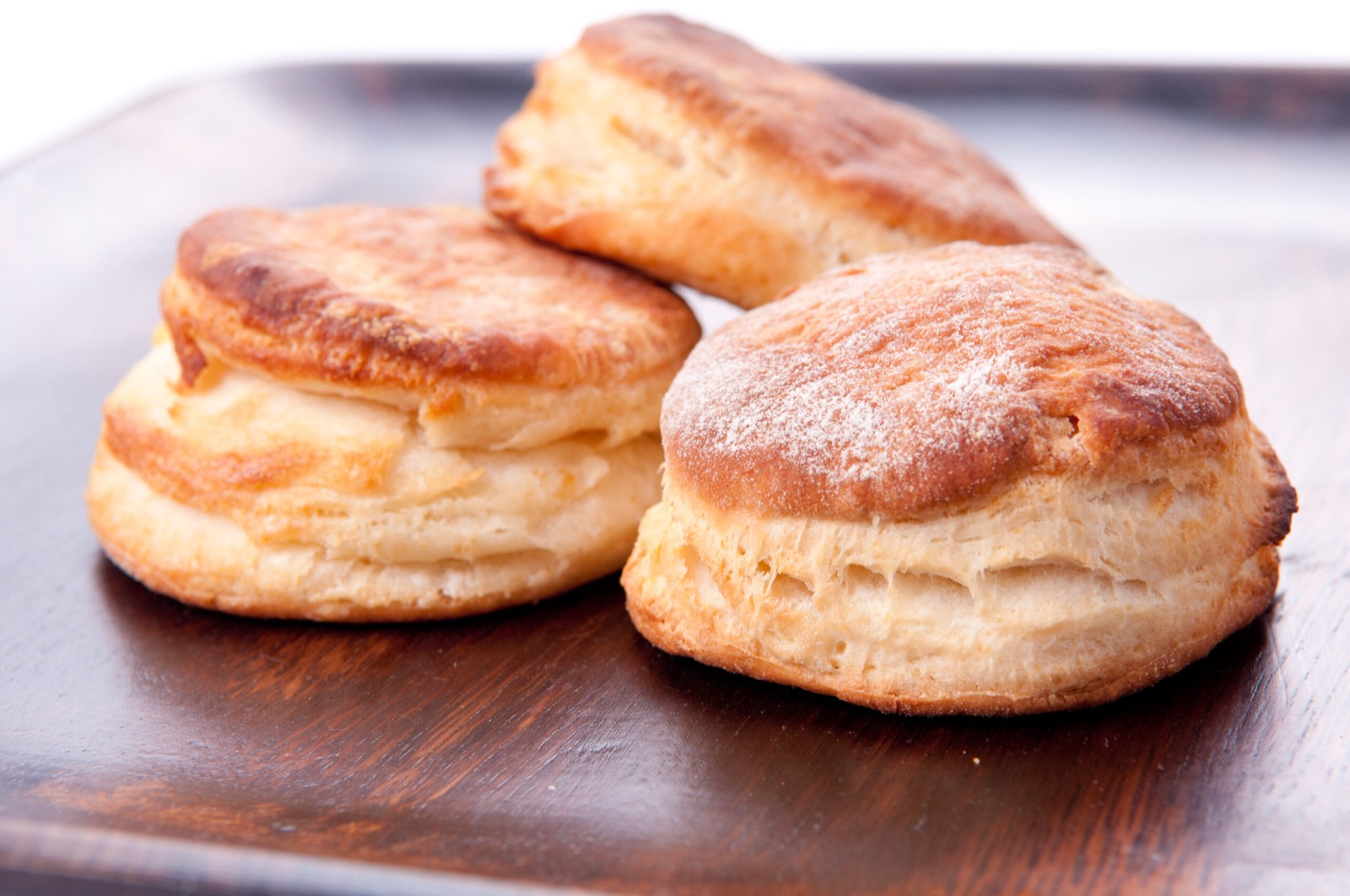
In many Southern and Midwestern homes, homemade biscuits are a point of pride. Older cooks mix flour, baking powder, salt, butter and buttermilk, then pat or roll the dough and cut the biscuits with a glass or a biscuit cutter. The result is tall, fluffy biscuits with golden tops.
Many people who grew up eating homemade biscuits can’t bring themselves to buy the canned kind. They say the texture and flavor just aren’t the same. For older cooks, a pan of perfect biscuits on Sunday morning is a sign that they still have the touch.
4. Chicken and Dumplings
Chicken and dumplings is a classic comfort food that many older Americans still make entirely by hand. They simmer a whole chicken to make broth, shred the meat and drop homemade dumplings into the bubbling pot. Some make rolled dumplings, while others prefer fluffy drop dumplings.
This dish takes time and patience, which is part of why it’s so special. Many older cooks make it when someone is sick, grieving or needs a little comfort. They take pride in knowing that every bowl came from scratch, not from a can or a shortcut.
5. Cornbread in a Cast-Iron Skillet
For many families, cornbread made in a cast-iron skillet is a tradition that goes back generations. Older cooks heat the skillet in the oven with a little bacon grease or butter, pour in the batter and bake it until the edges are crispy and golden. Some refuse to use any other pan.
There are lively debates about whether cornbread should be sweet or savory, but most older cooks have firm opinions on the matter. Boxed mixes may be quick, but many say they lack the flavor and texture of real homemade cornbread. Their seasoned skillets are often family heirlooms. A good cast-iron skillet is a prized possession.
6. Homemade Noodles
Some older cooks still make their own egg noodles, especially for holiday meals and comfort dishes. They mix flour and eggs into a stiff dough, roll it out thin, cut it into strips and let the noodles dry on the counter or a clean towel. These noodles often end up in soups or served over mashed potatoes in some Midwestern homes.
Homemade noodles take time, but many older cooks say the effort is worth it. They remember watching their mothers and grandmothers make noodles on the kitchen table. Keeping that tradition alive is a way of honoring the women who came before them.
7. Yeast Rolls for Holiday Dinners
For holidays and special occasions, many older cooks insist on homemade yeast rolls. They mix the dough, let it rise, shape the rolls and let them rise again before baking. The smell of fresh bread fills the house and lets everyone know a big meal is coming.
Frozen rolls may be easier, but older cooks often say nothing compares to the soft, buttery texture of homemade. Family members often ask for extra rolls to take home. For many older bakers, these rolls are a labor of love and a way to show how much they care.
8. Jams and Preserves
Many older Americans still make their own jams, jellies and preserves from fresh fruit. They pick berries in summer, buy peaches at roadside stands or use fruit from their own trees. Then they spend a long, hot afternoon cooking fruit, sugar and pectin and filling jars to seal.
Homemade preserves are often given as gifts and proudly displayed on pantry shelves. Many older cooks say store-bought jams taste too sweet or too bland compared to their own. The rows of colorful jars are a reminder of the season’s harvest and the hard work that went into preserving it.
Why Scratch Cooking Still Matters to Them
For many older Americans, cooking from scratch is about more than food. It connects them to their parents, grandparents and the way they were raised. Many grew up in homes where store-bought shortcuts were rare or too expensive, and making things by hand was simply how life worked.
These dishes also give older cooks a sense of purpose and pride. Being known as the person who makes the best pie, gravy or biscuits in the family is an honor that many cherish. The National Agricultural Library keeps records of how American food traditions have changed over the years, but for older cooks, the most important records are the stained recipe cards handed down through their own families.