8 Foods That Were Considered Fancy in 1962 but Seem Ordinary Today
In 1962, America was falling in love with sophistication. Jacqueline Kennedy had hired a French chef, René Verdon, for the White House, and Julia Child’s cookbook, Mastering the Art of French Cooking, had come out the year before. Dinner parties were a chance to show off, and certain foods signaled that a host had real class.
What is funny today is how ordinary many of those “fancy” foods have become. Things that once appeared only at country clubs, expensive restaurants, or the homes of well-traveled neighbors are now sold at every grocery store and gas station. A dish that impressed the boss in 1962 might be a quick weekday snack in 2026. Here are eight foods that made people feel worldly and elegant in the early 1960s, and how they slowly made their way onto every American table.
1. Shrimp Cocktail
Few appetizers said “special occasion” in 1962 like a shrimp cocktail. Chilled shrimp were hooked over the rim of a glass filled with tangy red cocktail sauce, and they were served at steakhouses, weddings, and holiday parties. Shrimp was expensive, and most families only ate it when someone else was paying.
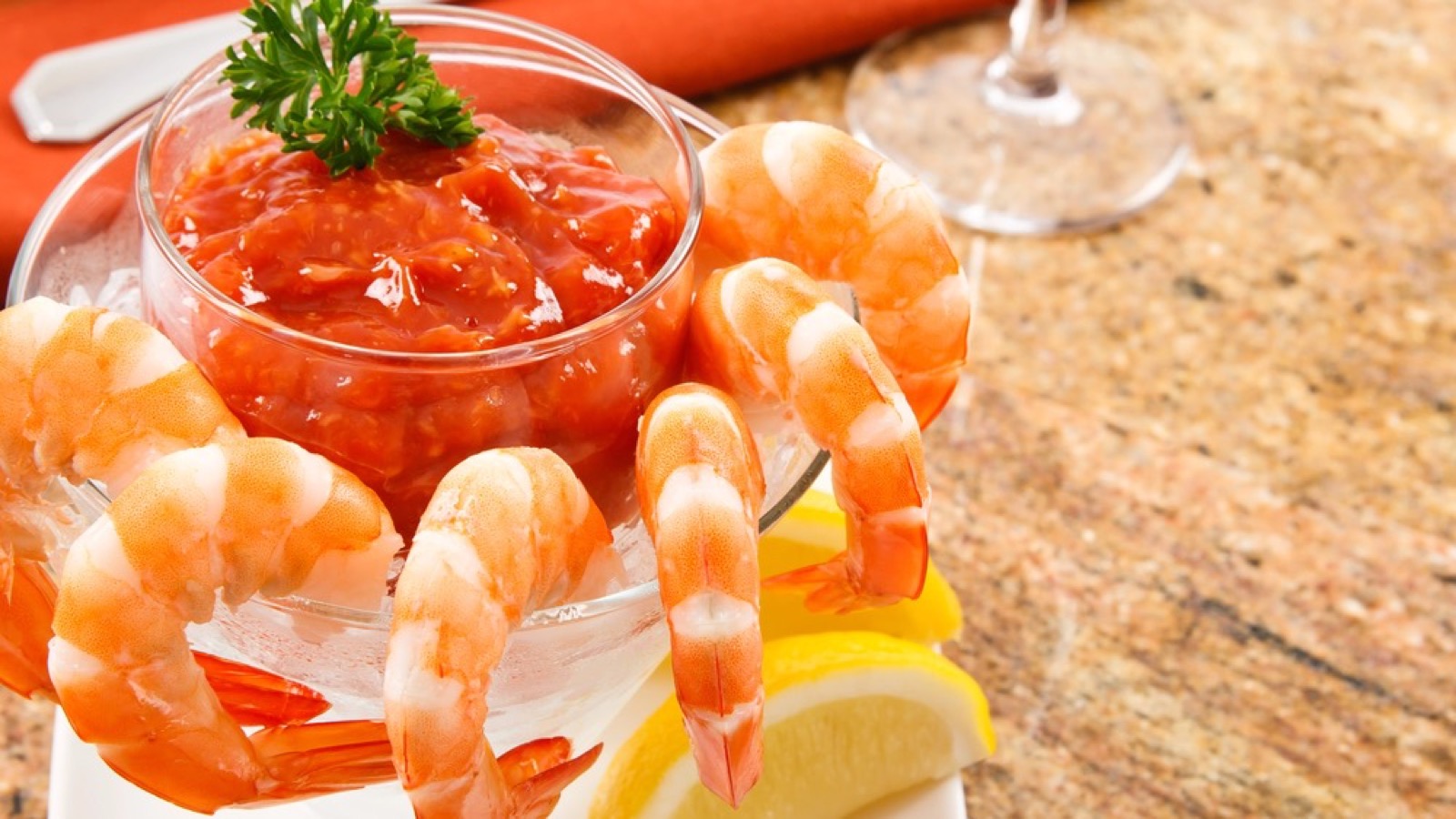
Today, shrimp is one of the most popular seafoods in America, and frozen shrimp rings are sold at nearly every supermarket. Shrimp cocktail still shows up at parties, but it no longer feels like a luxury. Many boomers still remember the thrill of ordering it on a big night out.
2. Avocados
In the early 1960s, avocados were a curiosity for many Americans outside California and Florida. Some people still called them “alligator pears” because of their rough, green skin. Hostesses served them sliced in halves, often filled with crab or shrimp salad, as a fancy luncheon dish.
Today, avocados are everywhere, from toast to burgers to salads. According to the Hass Avocado Board, Americans now eat billions of pounds of avocados every year. Guacamole is a Super Bowl staple, and avocado toast has become a breakfast cliché.
3. Pizza
Pizza was well known in cities with large Italian communities, like New York, Chicago, and New Haven. But in many parts of the country, it was still new and a little exotic in 1962. A night out for pizza felt like a treat, and some home cooks had never made it.
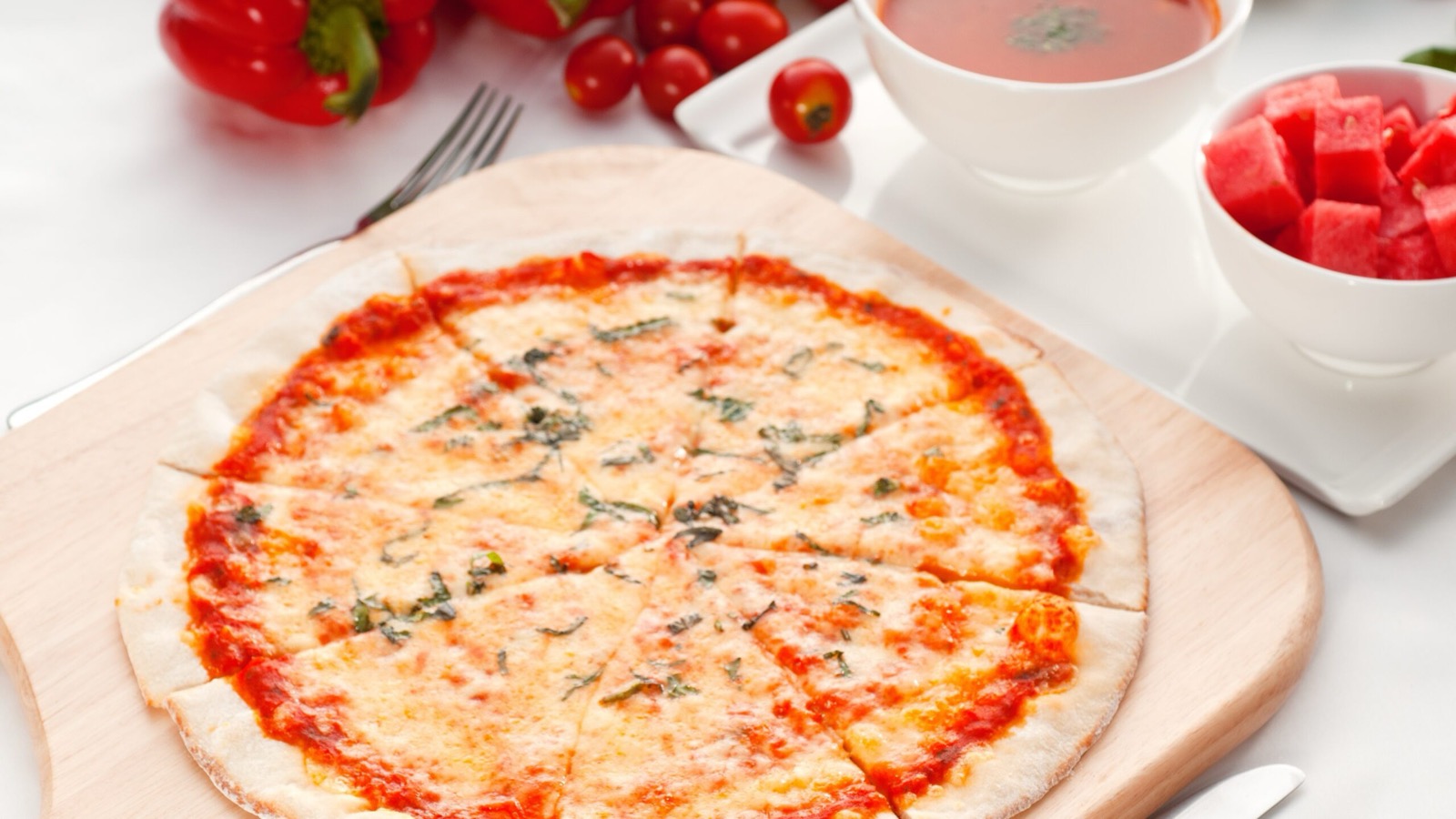
Things were changing fast. Pizza Hut opened its first restaurant in Wichita, Kansas, in 1958, and the shop that became Domino’s opened in Michigan in 1960. Frozen pizza soon followed. Today, pizza is one of the most common foods in America, and few people think of it as foreign or fancy.
4. Yogurt
In 1962, many Americans thought of yogurt as an odd health food. It was sold in a few stores, mostly to people who were into diets or European food. Dannon had started selling yogurt in the United States in the 1940s and added fruit on the bottom to make it more appealing, but it was still far from a household staple.
Yogurt slowly caught on in the 1970s and 1980s. Today, it fills an entire section of the dairy aisle, with Greek yogurt, drinkable yogurt, and countless flavors. Kids eat it from tubes, and adults blend it into smoothies.
5. Espresso and Cappuccino
For most Americans in 1962, coffee meant a percolator or a jar of instant. Espresso and cappuccino were served in Italian cafés in big cities, especially in places like New York’s Greenwich Village and San Francisco’s North Beach. Ordering one felt bohemian and worldly.
Today, espresso drinks are sold on almost every corner, at gas stations, and even in fast-food restaurants. Many people make cappuccinos at home with machines that cost less than a nice dinner. What once felt fancy is now part of the daily routine.
6. Brie and Imported Cheese
The cheese most American families knew in 1962 came in slices, blocks of cheddar, or processed loaves. A wedge of French Brie or a wheel of imported Swiss was a sign of a sophisticated hostess. Cheese and wine parties were just starting to catch on.
Today, Brie is sold in nearly every supermarket, and cheese boards loaded with imported varieties are a party staple. Many grocery stores now have entire counters of cheeses from around the world. It is part of how America’s tastes grew more adventurous over the decades.
7. Caesar Salad
Caesar salad is said to have been created in the 1920s by Caesar Cardini, an Italian immigrant who ran a restaurant in Tijuana, Mexico. By the 1950s and 1960s, it was a showpiece dish at upscale restaurants, often tossed tableside by a waiter with raw egg, anchovies, garlic, and Parmesan.
The tableside show made diners feel pampered. Today, Caesar salad is on nearly every chain restaurant menu, and bagged Caesar salad kits are sold in every produce section. It is one of the most common salads in America, and few people think of it as elegant anymore.
8. Croissants
In 1962, the flaky French croissant was something most Americans had only seen in pictures or eaten on a trip to Europe. Some city bakeries sold them, but they were not yet a breakfast staple. A basket of fresh croissants at brunch would have impressed any guest.
Croissants became much more common in the 1970s and 1980s, as bakeries and grocery stores began to sell them. Today, you can buy them at gas stations, fast-food chains, and supermarkets. They are used for breakfast sandwiches, a far cry from their fancy French reputation.
How America’s Tastes Changed
After World War II, many Americans traveled more, both for work and for leisure. Soldiers had been stationed in Europe, and they came home with a taste for new foods. Air travel became more affordable, and TV cooking shows like Julia Child’s “The French Chef,” which began airing in 1963, made cooking feel exciting.
Grocery stores also grew bigger, and they started stocking a wider range of foods. Over time, the things that once felt exotic became ordinary. Many of these foods are now part of the foods that take you back to American kitchens in the 1970s, when the fancy became familiar.
Why It Still Matters
For boomers, these foods carry memories of their parents getting dressed up and hosting dinner parties. A shrimp cocktail or a wedge of Brie was a sign that a family had made it into the middle class. Those little touches mattered.
Today, many people still serve these dishes when they want to feel festive, even if they no longer seem fancy. They are a reminder of how far America’s kitchens have come, and of things your parents had in their house that felt special at the time.
Which of these foods did your family think was fancy when you were growing up, and which do you now eat every week? Many readers say shrimp cocktail still feels like a treat, no matter how common it gets.