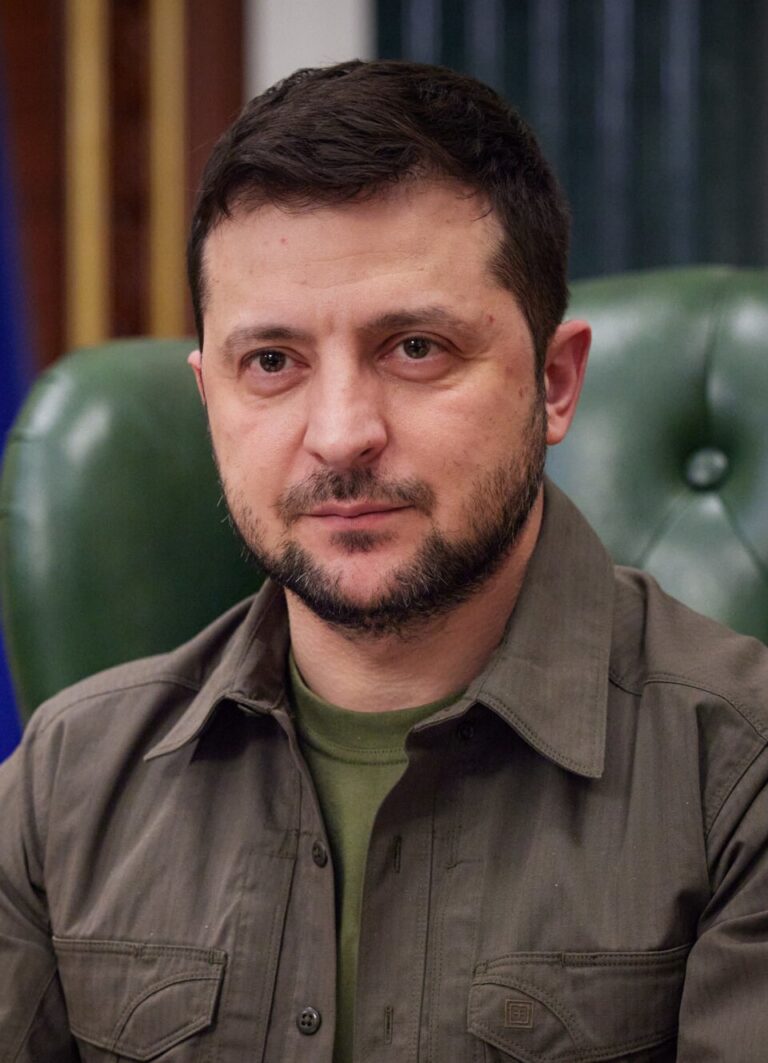
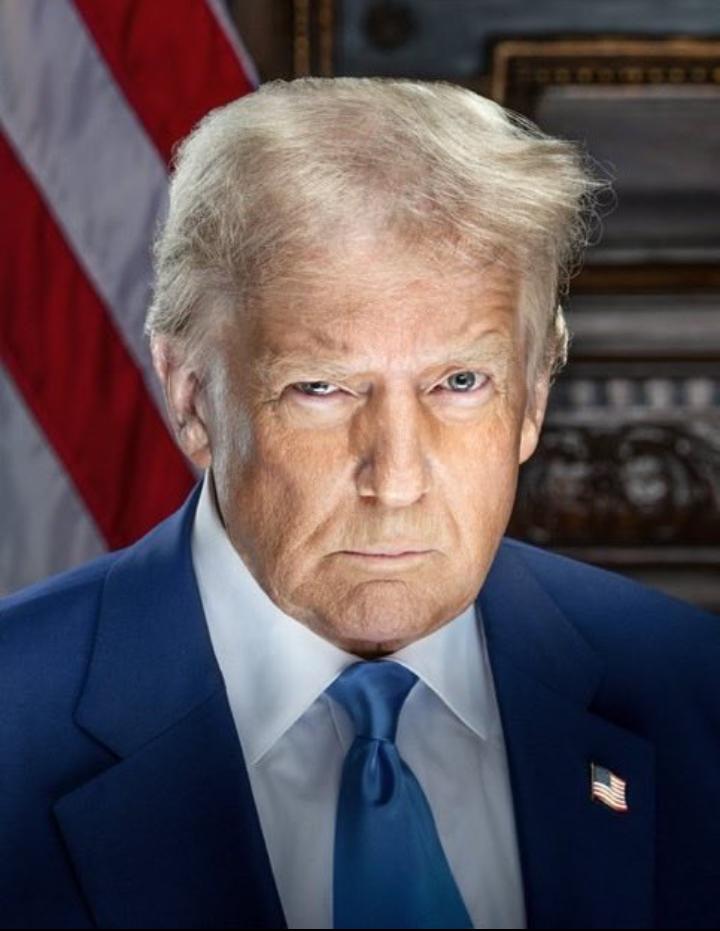
Marco Rubio Says Trump Has Redrawn America’s Hemisphere
Secretary of State Marco Rubio used President Donald Trump’s July 31 Cabinet meeting at Camp David to make a sweeping case about American influence. His presentation connected three major developments: a political shift across the Western Hemisphere, a new U.S. campaign against the International Criminal Court and a rapid humanitarian response following devastating earthquakes in Venezuela.
The strongest version circulating online claims five countries “quit” the ICC within two weeks and that the hemisphere is more pro-American than it has been in two decades. The official record requires slightly more precision. Rubio said five countries had announced plans to withdraw, while his description of governments as “pro-American” represented the administration’s political assessment rather than an independently measured category.
Rubio sees a political shift across the Americas
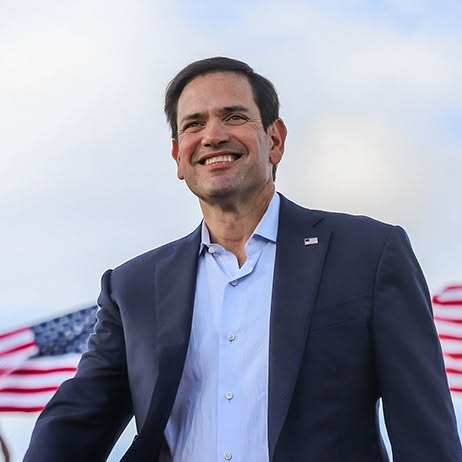
Rubio told the Cabinet that, for the first time in roughly 15 to 20 years, “the overwhelming majority” of Western Hemisphere countries are led by pro-American governments. He called the development an “extraordinary achievement” and credited Trump’s foreign policy for strengthening Washington’s position across the region. The White House highlighted the statement in its official summary of the televised meeting.
The comment revealed how central the hemisphere has become to the administration’s foreign policy. Trump officials have treated migration, organized crime, Chinese investment, energy security, trade and military cooperation as connected issues. Governments willing to work with Washington can affect border enforcement, intelligence sharing, supply chains and voting blocs inside international organizations.
Still, “pro-American” does not have one fixed diplomatic definition. A government may cooperate with the United States on immigration or drug trafficking while opposing Washington on tariffs, sanctions or military operations. Rubio’s claim is therefore best understood as the administration’s view of regional alignment, not a numerical scorecard covering every country in North America, Central America, South America and the Caribbean.
The larger message was unmistakable. Rubio believes the political balance has moved toward Washington after years in which China, Russia and Iran expanded their influence across Latin America. Friendly governments can provide practical advantages involving port access, security agreements, energy deals and efforts to limit hostile foreign influence.
The ICC fight is moving beyond speeches
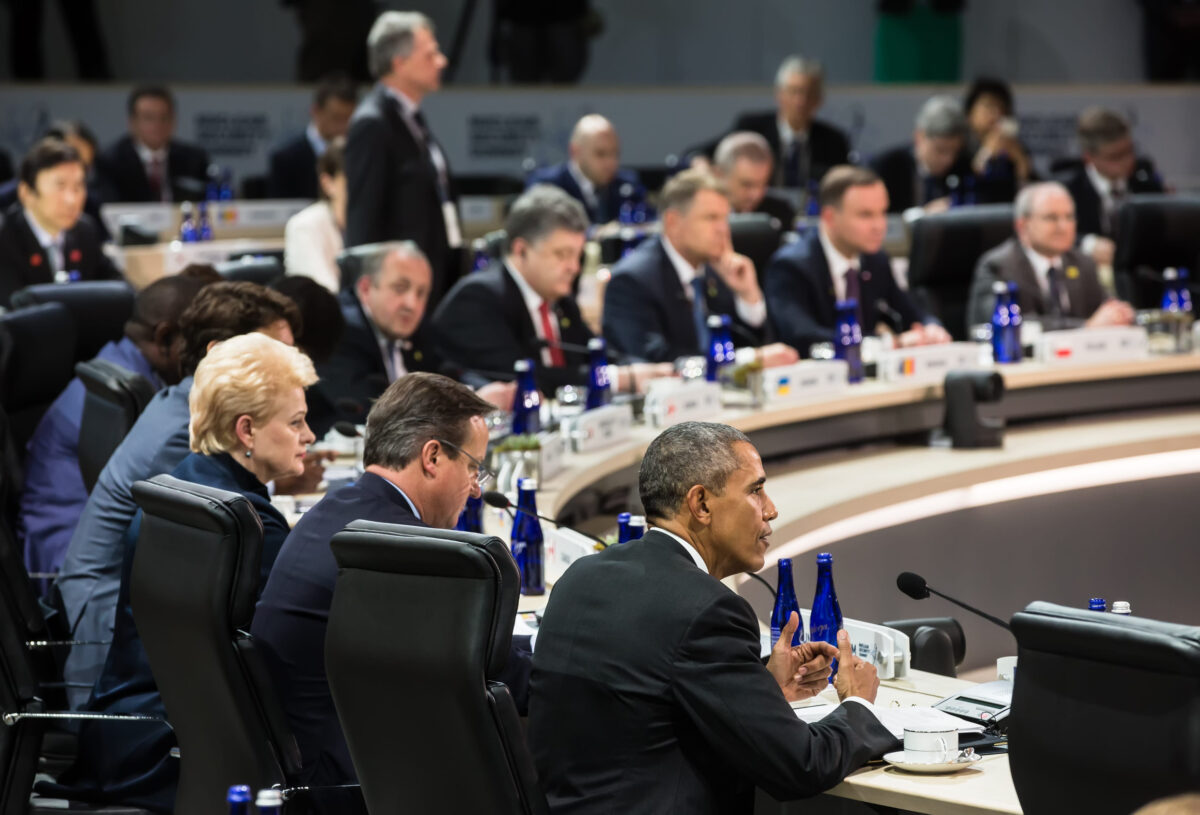
Rubio also attacked the International Criminal Court, arguing that it has made itself illegitimate by claiming jurisdiction in certain cases involving citizens of countries that never joined it. The United States is not a party to the Rome Statute, the treaty that created the court. The ICC, however, maintains that it can prosecute crimes committed inside a member country even when the accused comes from a nonmember state.
On July 13, the State Department formally launched a campaign aimed at limiting the court’s ability to investigate or prosecute American service members and officials. The department listed possible measures including diplomatic pressure, visa restrictions and additional sanctions. It also encouraged governments receiving American security support to reject the ICC’s claimed authority over U.S. personnel.
At the Cabinet meeting, Rubio said five countries had announced plans to withdraw after the American campaign began. Trump said the effort was intended to protect Israeli Prime Minister Benjamin Netanyahu and other people facing possible prosecution, rather than Trump himself. Rubio argued that American troops could face the greatest long-term danger if military decisions became the subject of international prosecutions years later.
The phrase “five countries quit” skips an important legal step. Withdrawal from the ICC does not become effective immediately. Chad formally notified the United Nations of its decision on July 27, but the withdrawal is scheduled to take effect on July 27, 2027, following the one-year process required by the Rome Statute.
Supporters of Rubio’s campaign describe it as a defense of national sovereignty. Critics warn that weakening the ICC could make it harder to prosecute genocide, war crimes and crimes against humanity when national governments fail to act. That dispute has now become one of Washington’s sharpest confrontations with the international court since it began operating in 2002.
Venezuela relief showed American power in action
Rubio also highlighted the American response after two powerful earthquakes struck Venezuela in late June. The disaster demanded aircraft, rescue specialists, functioning airports, intelligence support and a large logistical network, not simply speeches or diplomatic promises.
U.S. Southern Command later confirmed that more than 900 American personnel were operating inside Venezuela. Another roughly 800 were positioned in Puerto Rico and Curaçao to support the mission. General Francis Donovan said U.S. forces assisted search-and-rescue operations, helped restore airport functions and used air, naval and surveillance assets to locate damaged buildings and blocked roads.
Marines were the first U.S. military personnel assisting rescuers on the ground, while American teams helped transport civilian specialists into the disaster zone. The operation was particularly significant because relations between Washington and Caracas had been intensely hostile only months earlier. Donovan said the deployment was temporary and that American forces would leave once the relief mission ended.
The response gave Rubio a powerful example for his broader argument. Political alignment is one form of influence, but speed, equipment and the ability to organize help during a crisis can shape international relationships just as effectively.
Rubio’s remarks were clearly designed to present an administration gaining momentum abroad. Some of his language was political, and the ICC withdrawal process requires careful wording. Yet the underlying developments are substantial: Washington has launched a direct campaign against the court, several governments are pursuing withdrawal, American forces mounted a major disaster response in Venezuela, and the Trump administration sees a friendlier political landscape emerging across the hemisphere.