8 Kitchen Habits Older Americans Swear By That Younger Cooks Skip
Good cooking isn’t always about the latest appliances, expensive ingredients, or complicated recipes. Sometimes, the simplest kitchen habits make the biggest difference.
Long before modern kitchen gadgets became popular, cookbooks emphasized careful preparation, precise measurements, and making the most of what you have. Fannie Farmer’s influential 1896 cookbook helped establish a more systematic approach to American home cooking.
Many of those principles remain useful today. Whether you’re preparing a quick breakfast or dinner for the family, these eight practical habits can make the process more organized, manageable, and enjoyable.
Read the Entire Recipe Before Starting
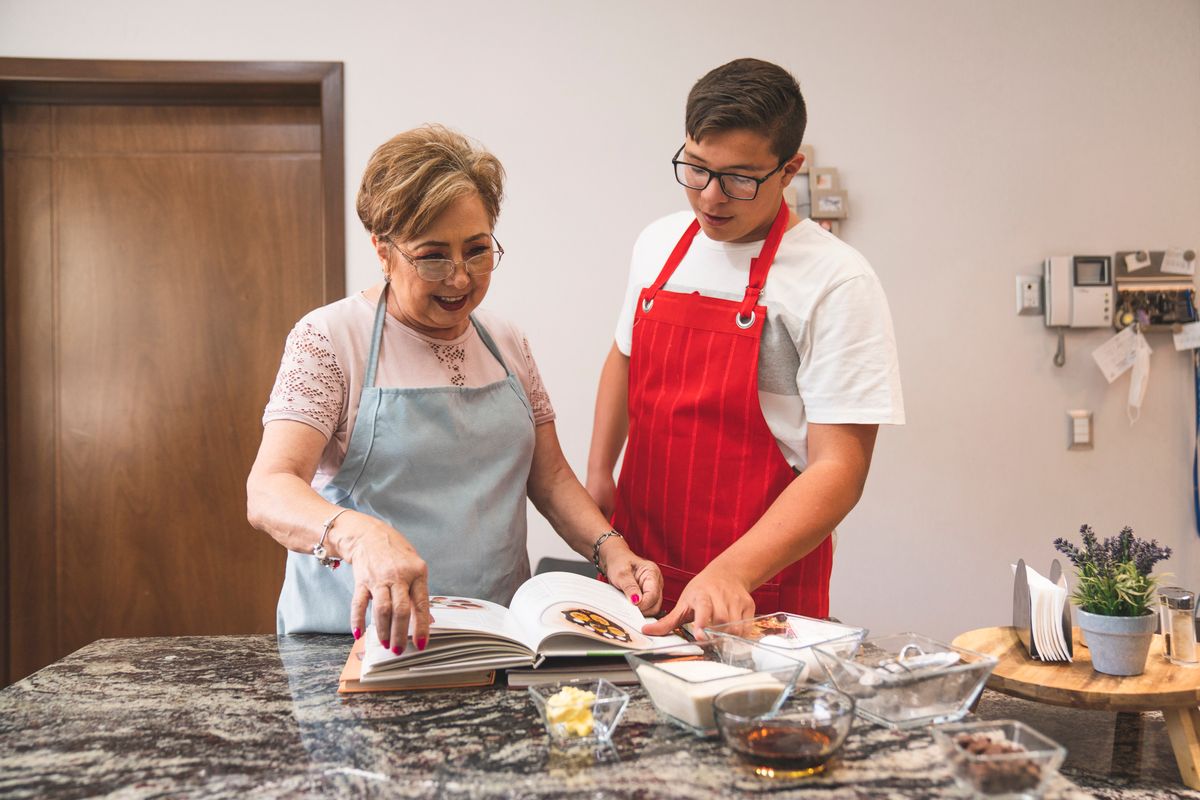
Ever started cooking only to discover halfway through that something needs to chill overnight? This habit helps prevent those surprises. Reading a recipe from beginning to end helps you understand the ingredients, equipment, and cooking time before you start.
For example, a waffle recipe might require batter to rest overnight. Discovering that requirement before breakfast saves you from scrambling to find another option.
King Arthur Baking recommends carefully reviewing recipes to identify key instructions and preparation requirements. Even when making something familiar, a quick review can help you avoid overlooking a crucial detail.
Related: 8 Habits Grandkids Picked Up From Their Grandparents and Still Keep as Adults
Check Your Pantry Before Grocery Shopping
Before heading to the grocery store, spend a few minutes looking through your pantry, refrigerator, and freezer. You might discover unopened beans, canned tomatoes, or pasta that could become tonight’s dinner.
The University of Minnesota Extension recommends planning meals around ingredients you already have and moving older, usable supplies to the front. This simple routine can prevent unnecessary duplicate purchases and keep forgotten ingredients from piling up.
Try organizing your cupboards so frequently used items are easy to reach. Label containers when needed, and check what you need to use before writing your shopping list. Remember, finding an older ingredient doesn’t automatically mean it’s safe to use. Always check its condition and relevant storage guidance.
Prepare Ingredients Before Turning on the Heat
Professional kitchens emphasize mise en place, a French cooking term for having everything in its proper place. The Institute of Culinary Education teaches this approach as an important part of organized cooking.
Imagine preparing a stir-fry while simultaneously chopping vegetables, measuring sauce ingredients, and searching for seasonings. Things can quickly become chaotic.
Instead, chop your vegetables, measure the necessary ingredients, and gather your utensils before heating the pan. That way, everything needed for the fast-moving steps is within reach.
You don’t need a dozen little bowls scattered across the counter. Simply prepare what the recipe requires, especially ingredients that must be added quickly.
Focus on Knife Control Instead of Speed
Watching professional chefs chop vegetables at incredible speeds can make anyone feel slow. Fortunately, speed isn’t the most important kitchen skill. Control matters much more. Virginia Cooperative Extension recommends using a secure knife grip and curling the fingers of your guiding hand into a claw shape.
For example, when cutting an onion, slice it in half and place the flat side on your cutting board. This creates a more stable surface. Keep your fingertips tucked away from the blade and work at a comfortable pace.
Different knives and ingredients may require different cutting techniques. The goal isn’t to imitate a television chef but to handle your tools confidently and carefully.
Taste Your Food Before Adding More Seasoning
Following a recipe’s seasoning measurements is helpful, but they don’t always tell the whole story. Ingredients like packaged broth, sauces, and previously seasoned vegetables can affect the final flavor. Before automatically adding another pinch of salt, taste the food when it’s fully cooked and safe to sample.
For example, a vegetable soup made with store-bought broth might already have enough salt. Bon Appétit’s cooking guidance encourages tasting and adjusting seasoning gradually rather than adding everything at once. Make small adjustments, stir, and taste again with a clean utensil.
Never sample raw dough, uncooked flour mixtures, or food containing insufficiently cooked animal ingredients. Tasting is for evaluating flavor, not determining whether food is safe.
Check Your Cake Instead of Trusting the Timer Alone
Baking timers are convenient, but they shouldn’t be the only indication that dessert is ready. King Arthur Baking explains that cake doneness can show up in several ways, including appearance, texture, and how the center responds when tested.
When baking a traditional butter cake, check the center near the recipe’s expected finishing time. Depending on the recipe, a tester inserted into the middle or a gentle spring-back test may help determine whether the cake is done.
However, these methods aren’t universal. Brownies, cheesecakes, and fudgy desserts have different finishing requirements. Follow the specific recipe’s instructions and use its recommended indicators alongside the timer.
Give Leftovers a Second Purpose
Leftovers become far more appealing when you already know what to do with them. Instead of putting a container in the fridge and forgetting it, consider how yesterday’s dinner could become tomorrow’s meal.
Roasted vegetables might work beautifully in a soup, while leftover cooked ingredients could become part of a frittata. The USDA even published a booklet about using leftovers in 1943, showing that practical leftover planning has a long history.
Refrigerate perishables promptly, generally within two hours, and use refrigerated leftovers within three to four days. Reheat leftovers to 165°F when appropriate. A second recipe doesn’t restart the original storage period, so always keep track of when food was prepared.
Save Suitable Vegetable Scraps for Homemade Stock
Those carrot ends, celery trimmings, and onion pieces left after preparing dinner might still have another useful purpose.
University of Maine Extension identifies suitable vegetable scraps and herb stems as ingredients for homemade stock. Wash vegetables before preparation and promptly freeze clean, usable trimmings if you’re collecting them for a future batch.
When you’ve gathered enough, follow a reliable vegetable-stock recipe and strain the finished liquid. Not every scrap belongs in the pot. Broccoli and cabbage can produce strong flavors, while beets may change the stock’s color and character. Choose ingredients thoughtfully rather than tossing everything together.
Small Habits Make a Difference
Making everyday cooking easier doesn’t require a complete overhaul of your routine. Organizing ingredients, checking pantry supplies, and planning leftovers are manageable practices that fit into modern kitchens.
Start with one or two habits and gradually make them part of your routine. A little more attention to the basics can make cooking feel less complicated.
Other Posts You May Like
. 8 Kitchen Tasks You’re Making Way Harder Than They Need To Be
. 6 Kitchen Storage Habits That Are Quietly Shrinking Your Small Kitchen