8 Tuna Habits That Can Quietly Raise Your Mercury Risk
Tuna looks like the perfect shortcut food until you realize the details matter more than the can. It is cheap, quick, protein-rich, and easy to throw into sandwiches, salads, rice bowls, wraps, and late-night “I forgot to cook” meals. That is exactly why many people eat it more often than they realize.
The problem is not that tuna is bad. The problem is that some tuna contain more mercury than others, and mercury exposure can build up over time when the same fish keeps showing up on the plate. Canned light tuna, albacore tuna, yellowfin tuna, bigeye tuna, and tuna steaks do not belong in the same safety category.
For most adults, canned light tuna is usually the safer weekly choice, especially when eaten in sensible portions and rotated with other lower-mercury seafood. Albacore and yellowfin require more caution, and bigeye tuna should be avoided by pregnant people, breastfeeding people, young children, and anyone trying to keep mercury exposure low. Before tuna becomes your everyday lunch, these are the habits worth watching.
Ignoring The Type Of Tuna In Sushi
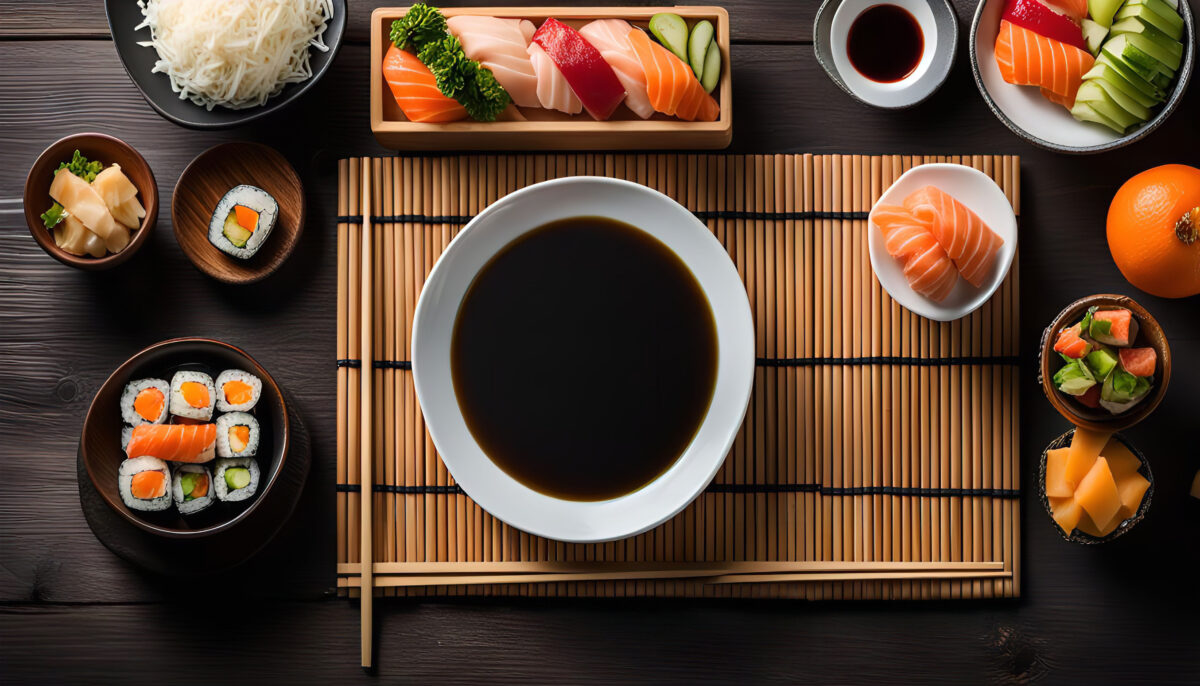
Sushi makes tuna trickier because menus do not always explain which tuna species is being served. A spicy tuna roll, tuna sashimi, a poke bowl, or a seared tuna appetizer may use yellowfin, bigeye, bluefin, or another type. That matters because mercury levels vary widely between tuna species.
Bigeye tuna is one of the tuna types people should be most careful with. It is often linked with higher mercury concerns and is not the same as canned light tuna from the pantry. If the menu is vague, it is better to ask what kind of tuna is being used than to guess.
Choosing Tuna Only By Price
Cheap tuna can be helpful when grocery bills are tight, but price should not be the only thing guiding the choice. The label matters. “Light tuna,” “skipjack,” “albacore,” “yellowfin,” and “white tuna” can point to very different levels of mercury.
A budget-friendly tuna habit should still include label reading. Canned light tuna is often the better routine option, while albacore should be used more sparingly. If tuna is a regular pantry staple, knowing the label language becomes part of eating it safely.
Eating Albacore is the same as eating Light Tuna.
Albacore tuna often sounds like the cleaner, fancier option because it’s labeled “white tuna.” The texture is firmer, the flavor is milder, and it feels a little more premium than regular canned light tuna. That polished image can make people assume it is the safer everyday pick.
It usually is not. Albacore typically contains more mercury than canned light tuna, so it should be eaten less often. If canned light tuna fits more easily into a weekly routine, albacore is better treated as an occasional choice rather than a daily sandwich habit.
Eating Tuna Every Workday Because It Feels Healthy
A tuna sandwich from Monday to Friday may look like discipline, but repetition is where the risk starts to creep in. Many people eat tuna because it is lean, filling, affordable, and easy to prepare. Those are real benefits, but they do not cancel out the need for variety.
A safer habit is to rotate tuna with salmon, sardines, shrimp, eggs, beans, chicken, lentils, tofu, or turkey. This keeps the convenience without making one fish carry the whole protein plan. Tuna can stay in the diet, but it should not become the only answer to lunch.
Forgetting To Rotate With Lower-Mercury Fish
The safest tuna habit is not built on fear. It is built on rotation. Tuna can be useful, tasty, and practical, but it should be paired with other seafood that is lower in mercury.
Salmon, sardines, shrimp, pollock, cod, catfish, trout, tilapia, anchovies, clams, scallops, and oysters can all help create a more balanced seafood routine. Rotation also makes meals more interesting. Tuna does not have to disappear from the pantry, but it should stop being the only fish in the story.
Treating Tuna Steaks Like A Low-Risk Dinner
A thick tuna steak can look fresher and healthier than canned tuna, but fresh does not always mean lower in mercury. Tuna steaks often come from larger tuna, and larger fish tend to collect more mercury because they live longer and eat smaller fish. That is how the food chain quietly changes the risk.
A tuna steak is better treated as an occasional meal, especially if you already ate tuna earlier in the week. Cooking it does not remove mercury from the fish. Grilling, searing, baking, or draining may change taste and texture, but it does not erase what is already in the flesh.
Forgetting That Children Need Smaller Portions
Children do not eat by adult rules because their bodies are smaller. A portion that feels normal for an adult can be too much for a younger child, especially if tuna appears often in school lunches, snacks, casseroles, and weekend meals. Parents can easily lose track because tuna feels ordinary and harmless.
Canned light tuna is usually the better tuna choice for children, but serving size still matters. Smaller portions, fewer repeats, and more variety make the habit safer. A child does not need tuna every day to get the benefits of fish.
Eating Tuna More Often During Pregnancy Without Checking Mercury Risk

Pregnancy changes the conversation because mercury can affect a baby’s developing brain and nervous system. Fish can still be part of a healthy pregnancy diet, but the type of fish matters. The safest approach focuses on lower-mercury seafood rather than frequent high-mercury fish.
Canned light tuna may fit into a pregnancy diet in sensible amounts, but albacore, yellowfin, and bigeye require far more caution. Pregnant and breastfeeding people should choose a variety of lower-mercury seafood instead of relying heavily on tuna. That way, they still get fish nutrients without leaning too hard on one mercury source.
Conclusion
Tuna can still be a smart food choice when we use common sense. Canned light tuna is usually the safest tuna for regular use, while albacore and yellowfin should be eaten less often. Bigeye tuna deserves the most caution, especially for pregnant people, breastfeeding people, and young children.
The best rule is simple: choose canned light more often, keep portions realistic, limit higher-mercury tuna, and rotate with other lower-mercury seafood. Tuna is not the enemy. Eating the wrong kind too often is where the trouble begins.