8 Forgotten Lunchbox Foods That Bring Back Memories of Growing Up in the 1970s
If you went to school in the 1970s, you probably remember the sound of a metal lunchbox snapping open. Maybe yours had the Partridge Family on the front, or the Six Million Dollar Man, or a pattern of bright flowers. Inside was a sandwich wrapped in wax paper, a Thermos with a cup for a lid, and, if you were lucky, a snack worth trading.
There were no fancy bento boxes or insulated bags with ice packs back then. Mothers packed what was cheap, easy, and sturdy enough to survive a bus ride. Some of those foods are still around, but many have faded from today’s school lunches. Here are eight lunchbox foods that bring back memories of growing up in the 1970s, and what made each one so familiar.

1. Bologna Sandwiches on White Bread
The bologna sandwich was the workhorse of the 1970s lunchbox. A slice or two of bologna, a swipe of mustard or mayonnaise, and two pieces of soft white bread were all it took. It was cheap, quick, and could be made in under a minute on a busy school morning.
By lunchtime, the bread was usually a little squashed and the mustard had soaked in, but kids ate it anyway. Some mothers added a slice of American cheese to make it feel more special. For many people, the taste of a plain bologna sandwich is still a direct trip back to the school cafeteria.
2. Peanut Butter and Jelly
If bologna was a regular, peanut butter and jelly was the champion. Creamy or crunchy peanut butter, grape jelly or strawberry jam, and white bread made a sandwich almost every child would eat. It did not need refrigeration, which made it perfect for a lunchbox that sat in a cloakroom all morning.
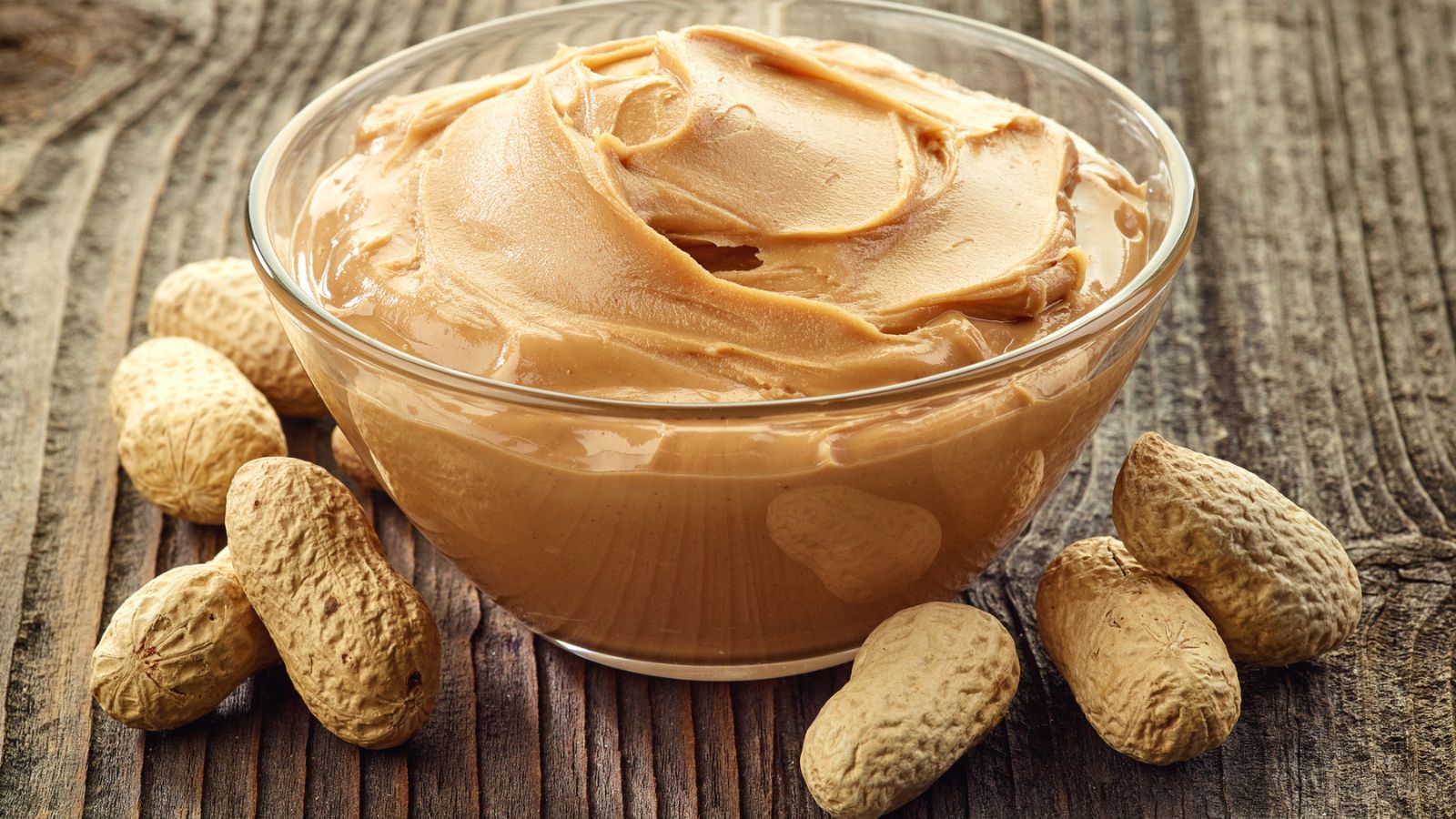
According to the National Peanut Board, peanut butter has been an American pantry staple for generations, and the 1970s were no exception. Mothers bought it in big jars to stretch the grocery budget. Some kids liked theirs with banana slices or a drizzle of honey, and a few traded them for something sweeter.
3. Deviled Ham Sandwiches
Deviled ham came in a small can with a little red devil on the wrapper. Underwood made the best-known version, and the spread of finely ground ham and spices was mixed with a little mayonnaise for sandwiches. It was salty, smooth, and very different from the sliced meats in the refrigerator.
Many children either loved it or refused to touch it. It was popular with mothers because a single can could make a couple of sandwiches with no slicing required. Today, few younger people have ever tasted it, but many adults still remember the sight of that little devil on the can.
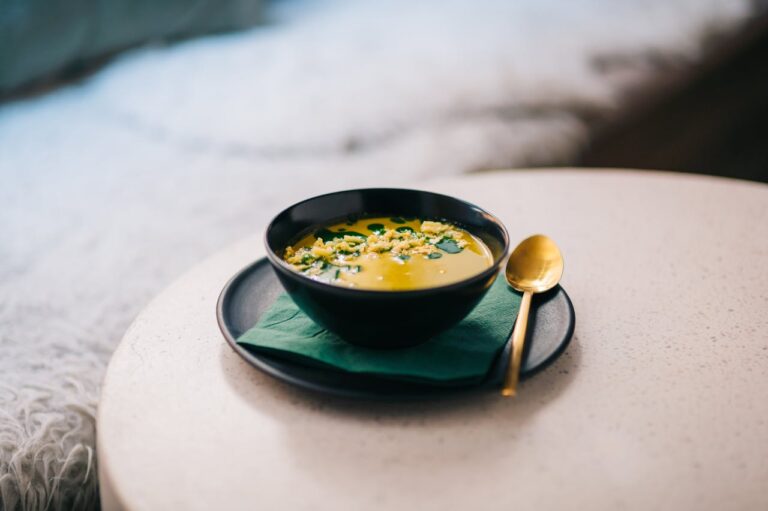
4. Soup From a Thermos
On cold days, a Thermos of hot soup was the best thing in a lunchbox. Mothers heated a can of chicken noodle or tomato soup on the stove and poured it into the bottle before school. By lunchtime, it was still warm enough to steam when you unscrewed the lid.
The Thermos lid doubled as a cup, and you drank the soup right out of it. Sometimes the glass liner inside the older bottles broke if the lunchbox was dropped, which made for a sad noon hour. Still, there was nothing like warm soup with a few saltine crackers on a snowy January day.
5. Twinkies and Ding Dongs
A packaged snack cake was a prized lunchbox treasure. Hostess Twinkies, with their golden sponge cake and creamy filling, had been around since the 1930s. Ding Dongs, Ho Hos, and cupcakes with the white squiggle on top made the selection even more tempting.
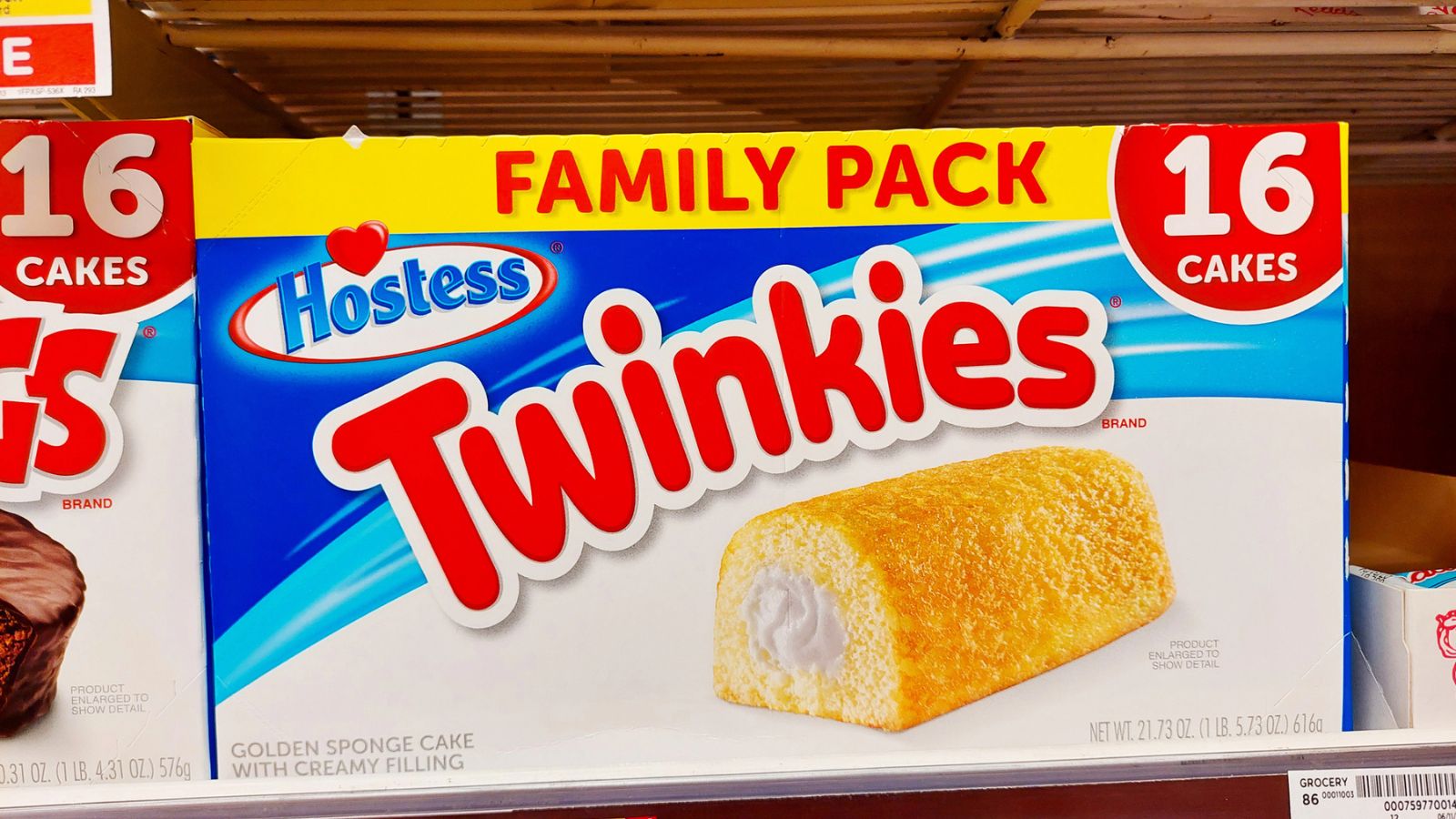
Not every mother bought them, which made them valuable trading material in the lunchroom. A child with a Twinkie could usually swap it for almost anything. Many adults still remember the thrill of finding one tucked next to their sandwich as a surprise.
6. Snack Pack Pudding Cups
Pudding in a lunchbox felt very modern in the 1970s. Hunt’s introduced Snack Pack pudding in the late 1960s, and the early versions came in small metal cans with a pull-tab lid. Chocolate, vanilla, and butterscotch were the most popular flavors.
Kids had to be careful with that sharp metal lid, and plenty of fingers got nicked along the way. The cups later switched to plastic, which made them safer and easier to open. Pudding cups are still sold today, but many people say the old metal cans made them feel more special.
7. Little Boxes of Raisins
A small red box of Sun-Maid raisins was a common healthy add-on in 1970s lunchboxes. The boxes were just the right size for a child’s hand, and the raisins inside were chewy and sweet. Mothers felt good about packing them instead of candy.
Children often ate them one at a time to make them last. Some kids saved the empty boxes, and a few teachers used them for classroom crafts. The little boxes are still around today, but they were a far more common sight in the lunchroom back then.
8. Chips in Wax Paper or a Baggie
Before single-serving bags were everywhere, many mothers scooped potato chips or Fritos into wax paper or a plastic sandwich bag. A handful came from the big family bag in the pantry, which was much cheaper than buying small packs. By lunchtime, the chips were often a little broken from the trip.
Children did not mind crumbs as long as there were chips to eat. Some families packed pretzels or cheese curls instead, depending on what was on sale that week. It was a small touch, but it made a plain sandwich feel like a complete lunch.
Why Lunchbox Foods Remain Memorable
Lunchbox foods stay with us because they were packed by someone who loved us. Each sandwich and snack came with a morning routine, a familiar kitchen, and sometimes a note on a napkin. Opening that lunchbox was a little moment of home in the middle of the school day.
Many of these foods are part of a bigger story about forgotten 1970s lunch meats and how families ate during that decade. If these memories feel familiar, you will probably enjoy these ’70s childhood memories too. What was your favorite thing to find in your lunchbox?