8 Grocery Store Complaints That Have Practical Solutions Shoppers Often Overlook
Grocery shopping should be straightforward, but small frustrations can turn an ordinary trip into an unpleasant experience. Missing products, confusing prices, long checkout lines, and produce that spoils too quickly are familiar complaints.
Some problems depend on store policies or supply conditions beyond a shopper’s control. Others can be reduced through better planning or simple changes to shopping habits. These eight issues are worth understanding because practical solutions can save time and prevent unnecessary expenses.

1. Prices That Don’t Match the Shelf Label
A customer may reach checkout and discover that an item costs more than the shelf label suggested. The difference could result from an outdated label, a promotion with special conditions, or a scanning error.

Checking the receipt before leaving the store helps identify mistakes. Customers can ask staff to review the price and applicable promotion.
Different jurisdictions have different rules governing pricing errors. Store policies may also offer specific remedies. Keeping the receipt makes it easier to resolve the issue without relying on memory.
2. Products That Are Frequently Out of Stock
A missing staple can disrupt an entire meal plan. Shoppers may need to visit another store or choose a substitute.
Stock availability depends on demand, delivery schedules, and other factors. Products may also disappear temporarily because of manufacturing or distribution issues.
Checking availability through a store’s website or app can sometimes help. Calling ahead may be useful for specialty ingredients. Maintaining a few flexible recipes also reduces the impact of a missing product.
3. Produce That Spoils Too Quickly
Fresh produce can deteriorate because of handling, ripeness, temperature, and storage conditions. A shopper may purchase fruit that looks appealing but becomes unusable within days.

Inspecting produce before buying helps identify obvious damage. Understanding how different fruits and vegetables should be stored can also extend quality.
Purchasing realistic quantities is particularly important. A large bag may be inexpensive per pound but costly if much of it is discarded. Frozen alternatives can provide flexibility when fresh produce isn’t consumed quickly.
4. Long Checkout Lines
Long checkout lines can become particularly frustrating during busy hours. Stores may experience staffing shortages, high customer traffic, or technical problems.
Shopping during quieter periods can sometimes reduce waiting. Self-checkout may also help when purchasing only a few items.
Not every shopper finds self-checkout convenient, especially with large carts or products requiring assistance. Different stores offer different arrangements. Planning shopping trips around personal schedules and local patterns may save time.
5. Confusing Loyalty Programs
Loyalty programs can provide discounts, but they sometimes require digital activation or specific purchase conditions. A shopper may assume an advertised price applies automatically.
Reading the promotion details helps avoid disappointment. Customers should check whether an offer requires membership, a coupon, or multiple purchases.
Some programs collect customer information as part of participation. Reviewing privacy terms allows shoppers to decide whether the benefits are worthwhile.
There is no requirement to join every available loyalty program. The useful ones are those that genuinely support normal shopping habits.
6. Package Sizes That Keep Changing
Shoppers may notice that a familiar product no longer lasts as long as it once did. The package may contain fewer ounces or portions than earlier versions.
Comparing net weight is more useful than relying on appearance. Packaging designs can change without making quantity differences obvious.
Unit pricing helps determine the actual value. It also allows comparisons between brands with different package sizes. Keeping an eye on quantities prevents assumptions based on long-established purchasing habits.
7. Buying Too Much During Promotions
Promotions can encourage shoppers to stock up, especially when discounts appear substantial. But purchasing large quantities can create storage problems or food waste.
A household should consider how quickly the product will be used. Nonperishable staples may justify larger purchases, while fresh food requires more caution.
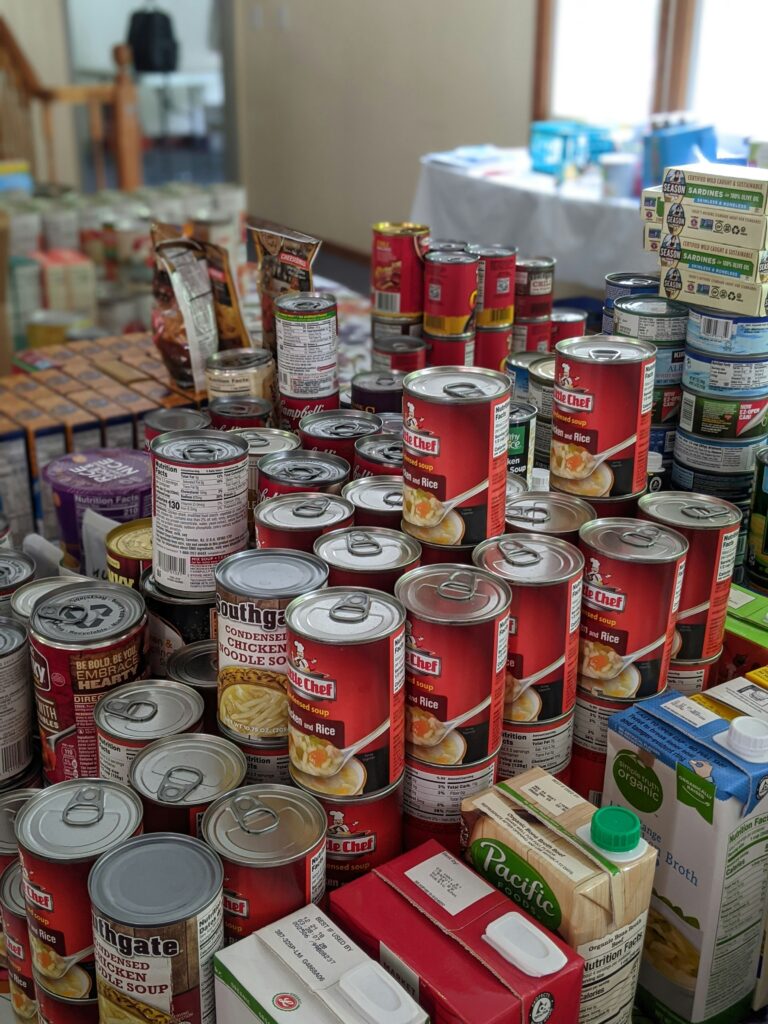
Traditional pantry planning habits demonstrate the value of keeping useful ingredients available. The goal is thoughtful storage rather than filling every shelf. A promotion is most valuable when it reduces the cost of something the household already needs.
8. Forgetting Important Items
Even experienced shoppers can leave the store without something essential. This may result in another shopping trip, additional transportation costs, or expensive substitutions.

A written or digital shopping list can reduce the problem. Organizing the list by store sections may make the trip more efficient.
Checking ingredients before leaving home is particularly useful when preparing a specific recipe. It prevents discovering missing items halfway through cooking. Shared shopping lists can also help households coordinate purchases and avoid duplication.
What Makes Grocery Shopping Less Frustrating?
Supermarkets cannot eliminate every inconvenience, and shoppers can’t control every price or stock decision. But preparation can reduce the effect of many common problems.
The USDA’s food price resources help explain how prices change across categories. Understanding those broader patterns can help shoppers adjust expectations. Practical habits include comparing unit prices, checking labels, keeping receipts, and shopping with a realistic plan.
No strategy guarantees the lowest possible bill every week. The objective is to avoid unnecessary mistakes and make shopping more predictable.
A smoother grocery trip often begins before entering the store. Knowing what you need, what you already have, and which alternatives are acceptable can save time and money.