8 Grocery Store Layout Tricks That Get Shoppers to Spend More
You walk into the grocery store for milk, eggs, and bread. Forty minutes later, you are unloading tortilla chips, a new barbecue sauce, two frozen pizzas, and cookies you definitely did not write on the list.
That extra spending is not always accidental.
Modern supermarkets carefully plan where products appear, what shoppers see first, and which displays interrupt their route through the store. That matters when the average U.S. supermarket carries 33,248 items, according to FMI–The Food Industry Association. American households were spending an average of $169 a week on groceries as of August 2026, so even a few unplanned additions can quickly change the bill.
Here are eight common layout strategies designed to make more products difficult to ignore.
Produce and Bakery Items Greet You First

Many supermarkets start with something attractive: colorful produce, flowers, or a bakery filled with fresh bread and pastries.
It creates a pleasant first impression, but prominent placement also makes those products harder to ignore. Research has shown that moving fruits and vegetables to highly visible areas near supermarket entrances can increase purchases.
The bakery adds another advantage: shoppers are encountering appealing food before they have made it very far into the store.
Suddenly, that muffin you never planned to buy looks like a perfectly reasonable addition.
Everyday Staples May Be Farther Inside
Milk, eggs, bread, and other frequently purchased basics are often located deeper inside the store or around the perimeter.
That means a shopper who needs only milk may still have to pass produce, snacks, frozen foods, promotional displays, and several aisles before reaching it.
The longer the route, the more products you see.
Supermarket layouts specifically to find the balance between making shopping convenient and exposing customers to more opportunities for impulse purchases.
Your gallon of milk may be the destination, but everything along the way gets a chance to compete for space in your cart.
The Layout Encourages You to Follow a Route
Supermarkets rarely feel completely random.
Wide perimeter paths, aisle entrances, displays, and department placement can subtly guide shoppers through large portions of the store rather than letting them make one quick stop and leave.
Some retailers favor routes that move shoppers around the perimeter before bringing them through interior aisles.
The exact direction is less important than the principle: stores benefit when shoppers see more merchandise.
Every extra section you pass introduces another possibility that was not on your list.
Related Products Conveniently Appear Together
Ever notice salsa displayed beside tortilla chips? Strawberries near whipped cream? Pasta sauce sitting close to pasta?
That is cross-merchandising.
The idea is simple: one product reminds you that another would go perfectly with it.
You may have entered the aisle wanting chips, but seeing salsa beside them creates an instant meal or snack idea. Instead of buying one product, you buy two or three.
It feels helpful because it often is helpful. The store is saving you from searching elsewhere.
It is also creating an additional sale.
Related: 8 Cheap Fast-Food Meals That Could Be Costing You More Than You Think
Prime Shelf Space Gets Your Attention
Not every shelf is equally valuable.
Products positioned around normal eye level are easier to notice than products close to the floor or high above your head. Retailers sometimes refer to this highly visible area as prime shelf space.
Research using eye-tracking technology has shown that shelf position affects what shoppers notice and consider.
That is why it can pay to look beyond the first product that catches your eye.
Store brands, cheaper alternatives, or less heavily promoted products may be sitting one or two shelves above or below.
The best deal is not necessarily the easiest one to see.
Stores Sometimes Move Things Around
You knew exactly where the peanut butter was last month.
Now it is gone.
Moving products can be frustrating, but it can also force shoppers to explore parts of the store they might normally skip.
Research into supermarket rearrangement has examined how changing product locations can expose customers to more merchandise and increase opportunities for impulse purchases.
While searching for the one thing you actually need, you may discover three things you did not know you wanted.
It turns a familiar grocery run into a miniature treasure hunt—except the treasure keeps ending up on your receipt.
A Big Cart Can Make Your Haul Feel Smaller
Modern grocery carts can hold an impressive amount of food.
That extra capacity is convenient for families and large shopping trips, but it also means a handful of groceries can look surprisingly lonely sitting at the bottom.
Shopping-cart size can influence buying behavior, although the effect depends on the shopping situation.
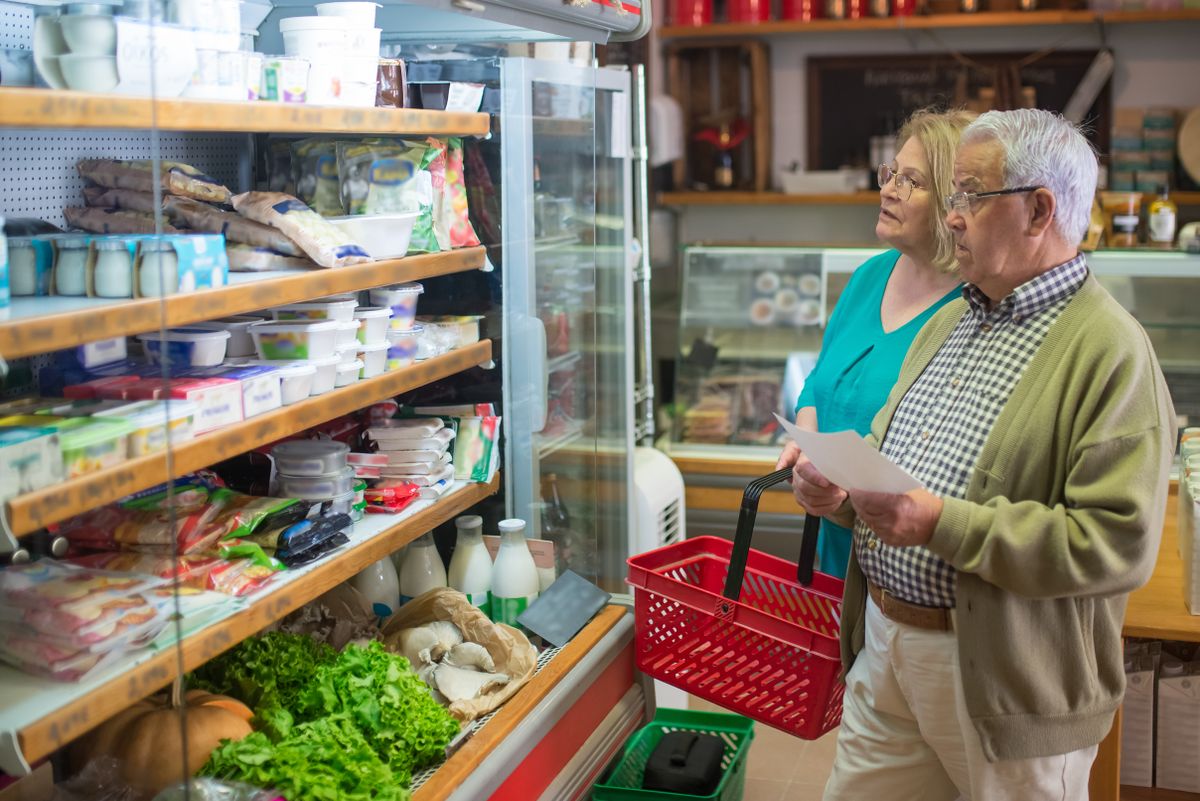
The simplest defense is also the easiest: if you are buying six things, grab a basket instead of a giant cart.
When your basket is full, the visual message is very different from six items rattling around inside a mostly empty cart.
Checkout Gives the Store One Final Shot
You survived the aisles.
Then you reach checkout.
Candy bars. Gum. Soda. Mints. Small snacks. Travel-size products.
Checkout areas are prime impulse-buy territory because shoppers are standing still, often with a few minutes to look around while waiting.
That final temptation matters in a country where the average in-store supermarket transaction reached $49.06 in 2025, according to FMI.
And because the products are usually small, adding one can feel insignificant compared with the cost of the entire grocery trip.
That is precisely why the strategy works so well.