8 Once-Common American Funeral Traditions That Have Faded or Are Changing
Funerals in America haven’t always involved a funeral director, a polished casket, and a scheduled service at a chapel. In earlier generations, saying goodbye often happened right at home, with relatives and neighbors handling everything from preparing the body to digging the grave.
Some traditions were surprisingly hands-on, while others came with strict rules about clothing, ceremonies, and family responsibilities.
Today, many Americans are choosing different ways to honor their loved ones. According to the Cremation Association of North America, the country’s cremation rate reached 62.8% in 2025, reflecting a major change in how families handle final arrangements.
Here are eight funeral traditions that were once familiar in parts of America but have gradually faded, evolved, or taken on new forms.
Keeping Loved Ones at Home Before Burial
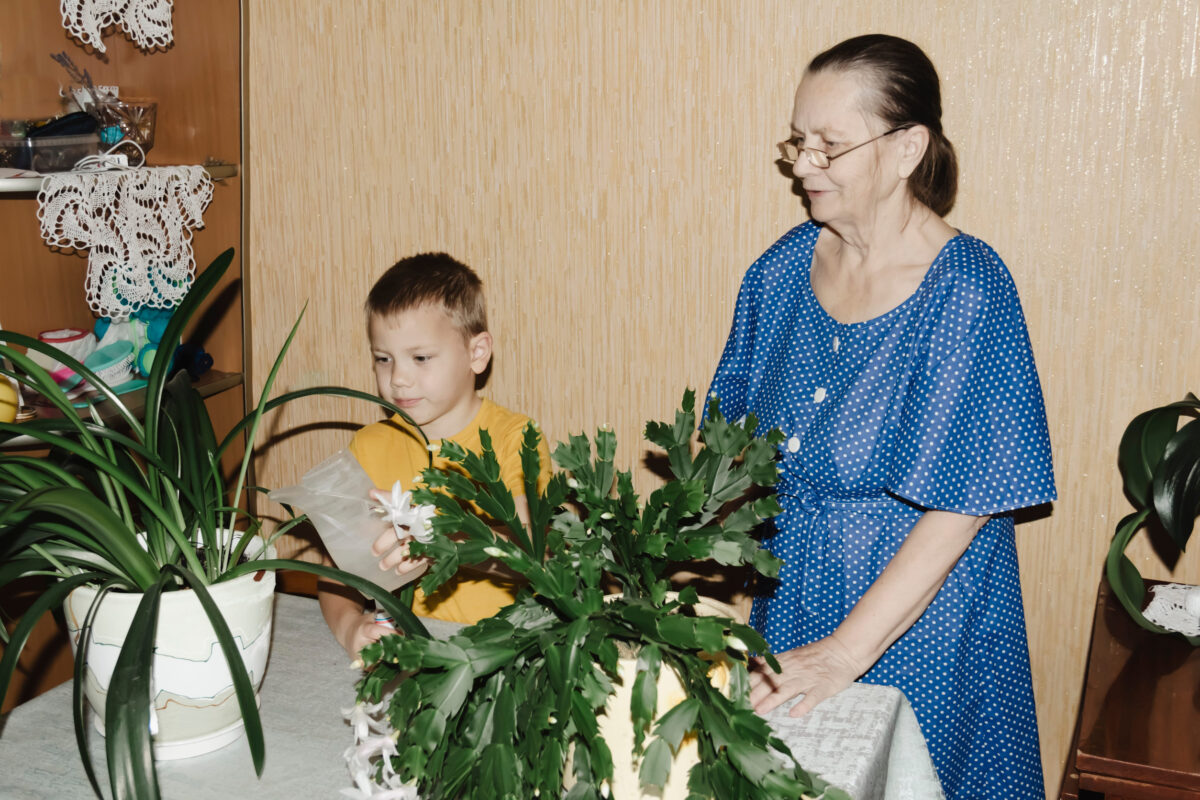
Imagine losing a family member and having the entire funeral preparation take place in your living room.
For many nineteenth-century American families, that was part of everyday life. Relatives, particularly women, often washed, dressed, and prepared the deceased for burial. Family members could remain at home until the funeral took place.
According to the National Museum of Civil War Medicine, caring for deceased relatives was traditionally a household responsibility before professional funeral services became widespread.
Things changed as undertakers expanded their businesses and funeral homes became more common.
Families gradually began relying on trained professionals to handle arrangements that relatives once managed themselves.
However, home funerals haven’t disappeared completely. Organizations such as the Home Funeral Alliance continue educating families interested in participating directly in after-death care.
Staying Awake All Night With the Deceased
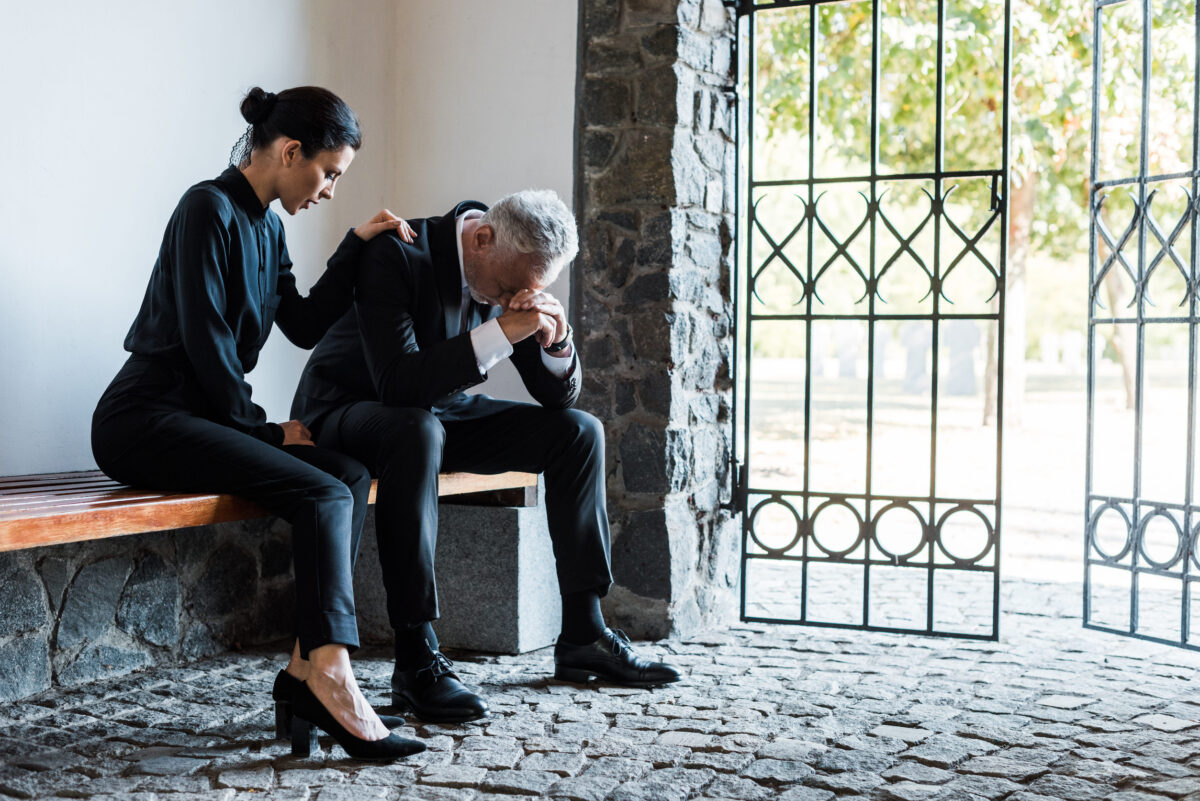
Today, funeral visitations often have scheduled hours. Visitors arrive, offer condolences, spend time with the family, and leave.
In some Appalachian communities, however, staying with the deceased could be an overnight responsibility.
Family members and neighbors gathered in the home, sometimes remaining awake until morning. They prayed, sang hymns, shared memories, and kept the grieving family company.
These gatherings were about more than paying respects. They also offered practical support when funeral arrangements depended heavily on relatives and neighbors.
The West Virginia Encyclopedia explains that traditional home wakes eventually gave way to shorter visitations at funeral parlors in many communities.
Modern vigils and wakes still exist, including important religious traditions. What changed was the expectation that neighbors would spend the entire night beside the deceased at home.
Wearing Mourning Clothes for Months or Years
Wearing black to a funeral is still familiar. Wearing a carefully planned mourning wardrobe for years afterward? That’s a different story.
During the nineteenth century, some prosperous American families followed elaborate mourning rules, especially for widows.
Clothing choices could reflect how much time had passed since a loved one’s death. Early mourning involved black fabrics, while later stages sometimes permitted gray, violet, or mauve.
According to the Smithsonian National Museum of American History, upper-class mourning customs could extend for at least two years.
One particularly memorable example was Mary Todd Lincoln, who continued wearing widow’s clothing after President Abraham Lincoln’s death in 1865 until her own death in 1882.
These strict fashion expectations gradually loosened, particularly during and after World War I.
Today, families may still choose traditional funeral clothing, but most Americans aren’t expected to follow a wardrobe schedule for months or years.
Having Neighbors Build Coffins and Dig Graves
There was a time when helping with a funeral could mean arriving with a shovel instead of simply bringing flowers.
In rural Appalachian communities, neighbors sometimes constructed wooden coffins, prepared burial sites, and helped carry out the physical work of laying someone to rest.
Local craftsmen used available lumber, while volunteers dug graves in family cemeteries or churchyards.
Other community members helped prepare the home, arrange food, and support grieving relatives.
As commercial funeral businesses expanded, much of this labor shifted toward funeral directors, casket manufacturers, and cemetery employees.
The National Museum of Civil War Medicine documents how coffin-making developed into a more specialized industry.
Volunteer grave digging still survives in some rural areas. However, most families now have professional options for work that once required substantial help from their neighbors.
Burying Relatives in Family Graveyards
For some families, the final resting place wasn’t a large cemetery across town. It was a familiar patch of family land.
In rural communities, especially parts of Appalachia, generations could be buried together in small family graveyards.
These burial grounds often developed because established cemeteries were far away. Relatives maintained the graves, and burial sites became lasting reminders of family history.
The West Virginia Encyclopedia explains that family graveyards remain part of the state’s landscape, although larger commercial cemeteries became more common.
As relatives moved away and family properties changed ownership, maintaining isolated burial grounds became more challenging.
Today, families can still choose adjoining cemetery plots, allowing generations to rest near one another without maintaining a private graveyard.
Expecting a Traditional Casket Burial
For much of modern American funeral history, a familiar arrangement involved preparing the body, holding a visitation or ceremony, and burying the deceased in a casket.
That arrangement remains available, but it’s no longer the dominant national choice for final disposition.
The Cremation Association of North America reports that cremation accounted for 38.1% of U.S. deaths in 2009, compared with 62.8% in 2025.
That’s a considerable change in less than two decades.
Several factors influence families’ decisions, including expenses, convenience, environmental preferences, and relatives living far apart.
For perspective, the National Funeral Directors Association reported a median cost of $8,300 for an adult funeral with viewing and burial in its 2023 price study. That figure excluded cemetery costs and certain additional expenses.
Importantly, choosing cremation doesn’t mean skipping a funeral. Families can still arrange viewings, religious ceremonies, memorial gatherings, and cemetery interment.
Holding the Main Funeral at a Church or Chapel
Churches and funeral chapels remain important places for honoring deceased loved ones, but families increasingly have other options.
Some choose outdoor gatherings, banquet halls, or locations connected to the person’s interests and memories.
Instead of following one familiar ceremony format, families may combine traditional prayers with personal stories, photographs, music, and shared memories.
In 2025, National Funeral Directors Association consumer research found that 58.3% of surveyed Americans aged 40 and older had attended a funeral somewhere other than a funeral home or place of worship.
That doesn’t mean most funerals now take place outside traditional venues. It simply shows that alternative settings have become familiar to many people.
Religion also remains meaningful. The association’s 2026 findings reported that 54.2% of respondents considered a religious component very important.
Modern funerals can therefore be personal, religious, traditional, or a combination of all three.
Announcing Deaths Mainly Through Newspaper Obituaries
Remember when finding out about someone’s funeral often meant checking the local newspaper?
For generations, newspapers served as an important source of death announcements, funeral schedules, and stories celebrating community members’ lives.
Families published notices containing names, service locations, and other important details.
Today, those announcements frequently appear online.
Funeral-home websites, newspaper websites, and digital memorial platforms allow families to share photographs, personal stories, and service information with relatives living across the country.
A Duke Reporters’ Lab examination described how obituaries were adapting to searchable online formats, multimedia features, and digital guest books.
Printed obituaries haven’t disappeared. Many families still use them alongside online announcements.
The biggest difference is that sharing funeral information no longer depends entirely on someone opening a newspaper.
Funeral traditions will continue changing, but the reason behind them remains familiar: helping families remember loved ones, share their grief, and find comfort in one another.
Do you like this personality?