8 Pantry Staples Worth Buying Before Supplies Run Low
Nothing’s more frustrating than opening your pantry to make dinner and finding the one ingredient you need is gone. Maybe it’s the last scoop of rice, an empty pasta box, or the can of tomatoes you’re sure you bought last week.
For American households trying to manage grocery budgets and busy schedules, keeping a dependable supply of everyday ingredients can make meal planning considerably easier.
The U.S. Department of Agriculture’s October 2026 Rice Outlook, for example, projected domestic rice supplies at their lowest level in 33 years. That doesn’t mean shoppers should expect empty grocery shelves, but it shows why tracking regularly used staples can be worthwhile.
Federal emergency preparedness guidance also recommends maintaining several days’ worth of nonperishable food at home.
The good news? You don’t need to fill your garage with groceries or spend a fortune preparing for hypothetical shortages.
A few thoughtfully chosen staples can keep your kitchen ready for ordinary weeknight dinners, unexpected guests, or temporary disruptions.
Here are eight worth keeping on hand.
Rice
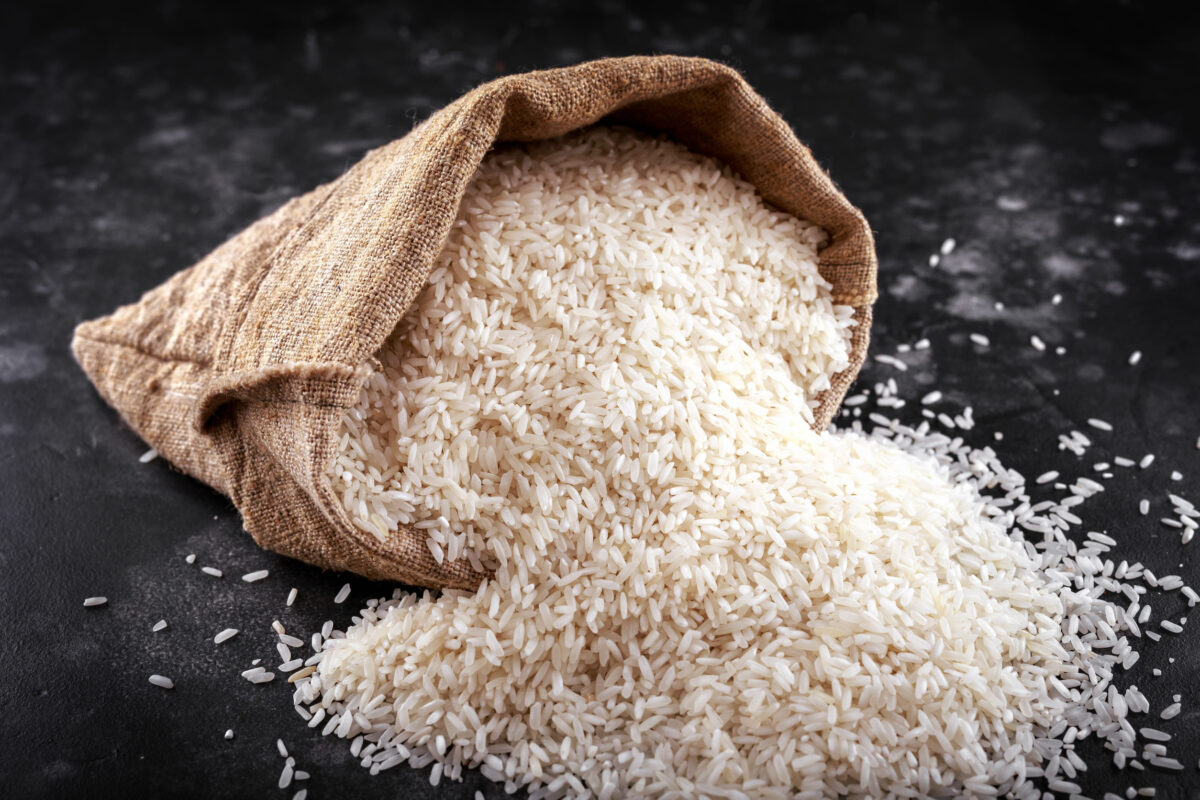
Rice deserves a permanent place in many American pantries because it pairs with so many meals.
Whether you’re making chicken and rice, homemade fried rice, burrito bowls, or a simple casserole, this inexpensive ingredient can do a lot of heavy lifting.
It also comes in several varieties, including long-grain white rice, jasmine, basmati, and brown rice.
White rice is particularly convenient for pantry storage when kept dry and properly sealed.
The USDA’s October 2026 outlook provides another reason rice shoppers may want to pay attention.
The agency estimated U.S. rice supplies for the 2026-2027 marketing year at 157.7 million hundredweight, a 33-year low.
It also projected lower ending inventories and higher farm-level prices for certain rice categories.
Those figures don’t guarantee a shortage at your local supermarket.
However, they suggest that keeping an ordinary household supply of rice is a reasonable approach for families that use it regularly.
The best strategy is to purchase a quantity you can comfortably store and use.
There’s no need to buy enormous bags unless your household genuinely goes through that much rice.
Related:How to Make a Healthy Meal Plan on a Budget
Dried Pasta
Few pantry ingredients are as convenient as dried pasta.
Spaghetti, penne, rotini, and elbow macaroni can form the foundation of countless meals with minimal prep.
A box of pasta and a jar of sauce can rescue dinner when the refrigerator is nearly empty.
Add vegetables, leftover cooked meat, or a sprinkle of cheese, and you have a different combination.
Pasta is also easy to buy in small amounts.
Instead of buying a large quantity at once, keep a few unopened packages of the shapes your family enjoys most.
The USDA classifies dried pasta as a food that can be stored at room temperature.
Proper storage matters, however.
Store packages in a cool, dry cupboard, away from moisture and pests.
For longer storage, sealed containers can help keep opened packages organized.
If you’re building a practical pantry, choose versatile shapes that work in several recipes rather than stocking up on varieties you rarely cook.
A dependable pasta supply doesn’t need to be elaborate.
Sometimes, two familiar boxes are more useful than ten unusual ones.
Related:8 Items You Should Never Store in Your Oven Drawer
Canned Beans
Black beans, kidney beans, chickpeas, and pinto beans are among the most useful canned foods to keep around.
After draining and preparing them, you can add them straight to soups, chili, casseroles, rice dishes, or salads.
Unlike dried beans, canned varieties are already cooked, making them convenient when time is limited.
That difference becomes especially useful during busy evenings.
You can open a can of black beans, combine it with rice and seasonings, and have the foundation of a simple meal without spending hours in the kitchen.
Canned beans also make it easier to prepare dishes when fresh ingredients are running low.
The USDA recommends keeping canned foods as part of household emergency supplies.
Its guidance emphasizes choosing familiar products that don’t require refrigeration until opened.
One practical approach is to keep several types of beans rather than buying a large quantity of just one variety.
That provides more options when planning meals.
Also keep a manual can opener on hand.
An electric opener won’t be much help during a power outage.
Canned Tomatoes
Canned tomatoes might not seem particularly exciting until you discover how many recipes depend on them.
Crushed tomatoes, diced tomatoes, tomato sauce, and tomato paste each serve a different purpose.
A can of crushed tomatoes can become a quick pasta sauce.
Diced tomatoes work well in chili, soups, and skillet dinners.
Tomato paste can add concentrated tomato flavor to sauces and stews.
For households that regularly cook Italian-American, Mexican-inspired, or slow-cooked dishes, it’s worth keeping these products nearby.
However, tomatoes require slightly different storage considerations from some other canned foods.
According to USDA guidance, high-acid canned foods such as tomatoes generally maintain their best quality for up to 18 months when properly stored.
That’s shorter than the recommended quality period for many low-acid canned products.
So instead of buying an enormous quantity, consider purchasing enough to cover your normal cooking routine.
Place newer cans behind older ones, so you use the existing supply first.
This simple habit helps prevent forgotten ingredients from collecting dust at the back of the cupboard.
Peanut Butter
Few pantry staples are as familiar as peanut butter.
It’s useful for sandwiches, toast, crackers, baking, and simple snacks.
A jar can also come in handy when the refrigerator is nearly empty, or you need something that doesn’t require cooking.
Ready.gov recommends peanut butter when assembling an emergency food supply.
That makes it useful beyond ordinary meal planning.
However, shoppers should follow the product’s specific storage instructions.
Some varieties, particularly those with fewer stabilizing ingredients, may have different storage recommendations after opening.
Always follow the label.
Peanut butter can also add depth to savory cooking.
Add a small amount to sauces for noodle dishes or use it in homemade marinades.
That versatility is part of what makes it such a dependable cupboard item.
If your household regularly uses peanut butter, keeping one unopened backup jar may be more practical than waiting until the current container is empty.
Just remember that it isn’t suitable for people with peanut allergies.
The best pantry staples are always the ones that fit your household’s actual needs.
Canned Fish and Chicken
A well-stocked pantry doesn’t have to depend entirely on grains and vegetables.
Shelf-stable canned tuna, salmon, and chicken can make meal preparation easier when fresh meat isn’t available.
Canned tuna works in sandwiches, pasta salads, and casseroles.
Canned chicken can be combined with rice, pasta, or other familiar ingredients.
These products are particularly convenient because many can be used without extensive preparation.
The USDA includes commercially canned meat, poultry, and fish in its emergency food supply recommendations.
Still, proper storage is important.
Store unopened cans in a cool, dry place and inspect the packaging before use.
The USDA advises against using cans that are bulging, leaking, badly damaged, or showing other warning signs.
Once opened, store refrigerated canned products properly.
For everyday cooking, select products your family already enjoys.
Buying several cans of something nobody likes won’t make your pantry more useful.
Cooking Oil
Shoppers usually don’t think about cooking oil when planning pantry essentials.
But it’s one of those ingredients that can halt meal prep when the bottle runs empty.
From sautéing vegetables to preparing skillet dinners and baking certain recipes, oil has numerous everyday uses.
Common choices include vegetable, canola, and olive oil.
Each brings slightly different characteristics to cooking.
The best choice depends on what you cook most often.
If your household frequently makes stir-fries or pan-cooked meals, keeping enough of your preferred oil can prevent last-minute shopping trips.
However, cooking oil isn’t a product that should be stockpiled indefinitely.
Quality can deteriorate over time, especially when bottles are exposed to heat, light, or air.
Store oil according to package instructions and pay attention to changes in smell or flavor.
For smaller households, a modest bottle you use regularly may be a better purchase than a large container that sits untouched for months.
The goal is dependable availability, not unnecessary accumulation.
Shelf-Stable Milk
Running out of milk can be inconvenient, particularly when you’re halfway through preparing a recipe.
Shelf-stable milk offers a practical backup.
Options include unopened ultra-high-temperature processed milk, evaporated milk, and powdered milk.
These products can be stored without refrigeration until you open them, as long as the packaging says they are shelf-stable.
They’re useful for a variety of household cooking needs.
Evaporated milk can work in certain sauces, baked goods, and desserts.
You can prepare powdered milk according to package directions or incorporate it into recipes.
Shelf-stable boxed milk offers another option when you need a pourable product.
The USDA and Ready.gov both identify nonperishable milk products as useful emergency pantry supplies.
However, different milk products aren’t always interchangeable in recipes.
Evaporated milk, sweetened condensed milk, powdered milk, and regular shelf-stable milk have different characteristics.
Check the recipe before substituting one for another.
And once a shelf-stable container is opened, follow its refrigeration and storage instructions.
A little planning can make these products especially useful when an unexpected cooking project requires milk.
How Much Should You Actually Keep in Your Pantry?
It’s tempting to buy large quantities whenever headlines mention changing food prices or supply concerns.
But more isn’t always better.
A crowded pantry can lead to forgotten groceries, duplicate purchases, and unnecessary waste.
Ready.gov recommends keeping at least several days’ worth of nonperishable food for emergencies.
The agency also emphasizes choosing foods your household will actually eat.
That guidance offers a sensible starting point.
Instead of buying dozens of identical products, review what you eat in a typical week.
If your family eats rice frequently, a backup bag makes sense.
If canned tomatoes are essential to your regular dinners, keeping a few extra cans may be worthwhile.
But if nobody enjoys a particular product, there’s little benefit in buying it simply because it appears on a preparedness checklist.
Remember that dried rice and pasta generally require water and cooking.
For emergency planning, include ready-to-eat options that don’t depend on electricity or working kitchen appliances.
And don’t overlook drinking water and a manual can opener.
Other Posts You Might Like:
Never Buy These 8 Foods Again, They’re Cheaper to Make at Home