The Secret to Light, Crispy Vegetable Tempura? Stop Trying to Make the Batter Perfect
A plate of vegetable tempura should deliver a delicate crunch, not a jaw workout. Beneath that thin coating, sweet potato should be tender, mushrooms should stay flavorful, and eggplant should taste like more than its fried exterior. Getting there starts with a surprisingly welcome instruction: Leave the batter a little messy. Cold ingredients, minimal mixing, and carefully controlled oil matter far more than beating every lump into submission.
That makes homemade tempura a lesson in doing less while paying attention to what matters.You do not need a complicated seasoning blend or a countertop deep fryer to get started. You do need prepared vegetables, a freshly mixed batter, and a thermometer to help manage the frying temperature. Here is how to bring those pieces together without turning a delicate coating into a heavy jacket.
Why a Little Lumpy Batter Is Exactly What You Want
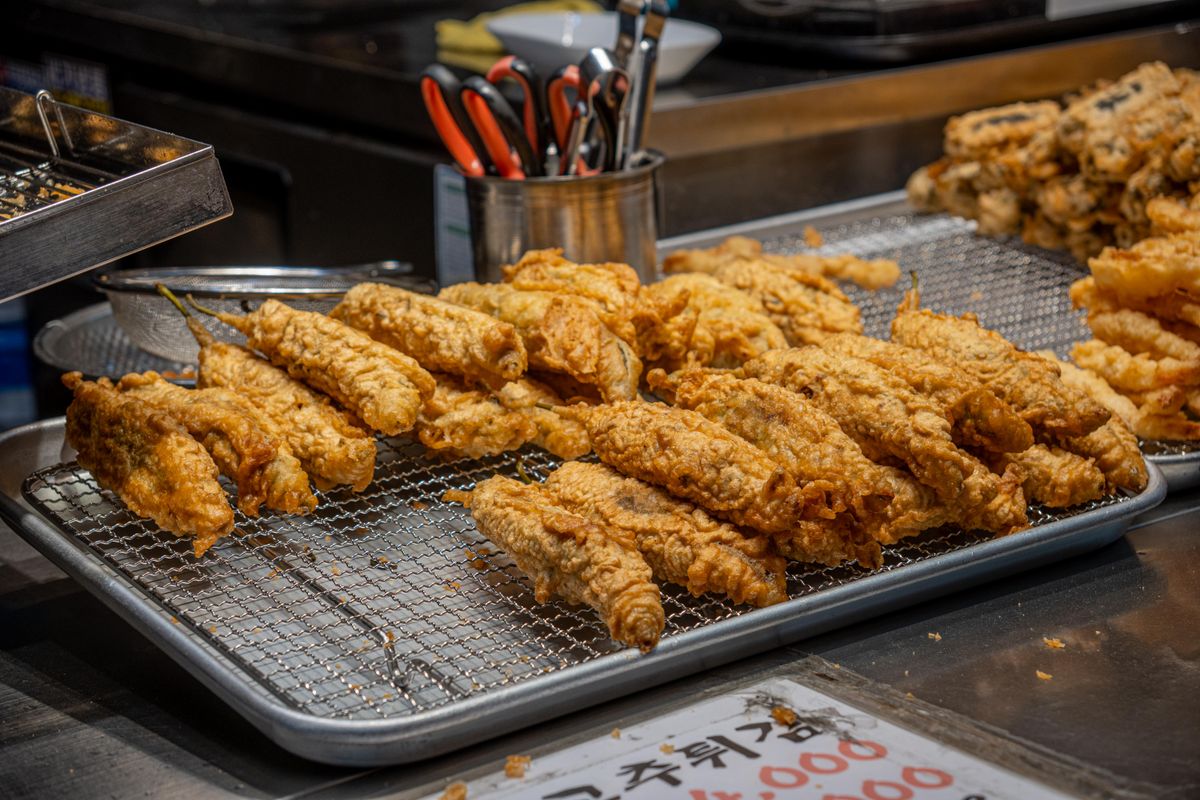
Tempura’s defining feature is its lightness, not a thick, deeply browned crust. Food writer, and cookbook author J. Kenji López-Alt puts it plainly in Serious Eats: “Good tempura should be pale blond with an extraordinarily lacy, light, and crisp coating.” That description gives home cooks a useful target. Think thin and delicate rather than dark and crunchy, and let the vegetable remain the main event.
The biggest batter mistake is treating it like something that needs vigorous whisking. Once flour meets water, mixing encourages gluten development, which can make the finished coating chewy rather than delicate. Kikkoman’s tempura guide, authored by culinary researcher Yuko Ihara, advises using cold water and stirring only lightly. The goal is to limit gluten development, not chase the perfectly smooth appearance you might expect from another batter.
Namiko Hirasawa Chen, founder and recipe creator of Just One Cookbook, gives equally reassuring advice: “Always mix the batter using chopsticks for only a few seconds to at most 1 minute, leaving lumps in the mixture on purpose.” Her recipe’s actual mixing step takes about 15–20 seconds. That is your permission to stop fussing. A few lumps are not evidence that dinner has gone wrong; they belong here.
For this approach, cold is the word worth remembering. Chen recommends chilling the flour, egg, and water, then making the batter immediately before frying rather than leaving it on the counter while you prepare everything else. Set the mixing bowl inside a larger bowl of ice water to help keep it chilled during cooking. That arrangement keeps the batter cold without adding melting ice directly to the mixture.
Related: Georgia Family Fined $25 a Day for Growing Vegetables in Their Front Yard.
Gather Your Ingredients and Prep Before You Mix
For a straightforward batter based on Chen’s published recipe, gather 1 cup chilled all-purpose flour, 200 milliliters ice-cold water, ¾ cup plus 4 teaspoons, and 1 chilled large egg. You will also need neutral frying oil and your chosen vegetables. An approachable selection is Japanese sweet potato, king oyster mushrooms, and Japanese or Chinese eggplant. Have a deep pot, thermometer, chopsticks, skimmer, and draining rack ready before you start.
Cut the sweet potato into ¼-inch rounds, soak the slices in water for 15–30 minutes, and pat them thoroughly dry. Slice king oyster mushrooms lengthwise into thin pieces, and prepare the eggplant just before frying. Chen’s method cuts the eggplant lengthwise into thin, attached slices that can fan outward. Whatever the vegetable, give preparation proper attention: Chen specifically warns that excess surface moisture can make tempura soggy.
Make the dipping sauce now, too, so finished tempura does not have to wait around. Following Chen’s formula, combine ¾ cup dashi, 3 tablespoons soy sauce, 2 tablespoons mirin, and 2 teaspoons sugar in a small saucepan. Bring to a boil, then reduce heat and simmer until the sugar dissolves. Set this sauce, called tentsuyu, aside; choose vegan dashi to keep the dipping sauce vegetarian.
Pour enough neutral oil into your pot to reach about 1½ inches deep, as directed in Chen’s recipe, and heat it. Meanwhile, sift the chilled flour into a bowl, beat the egg with the iced water separately, and pour that mixture into the flour. Stir gently with chopsticks for about 15–20 seconds, leaving some lumps. Keep the bowl chilled and fry immediately rather than letting the batter rest.
Fry in Small Batches, Then Serve Without Delay
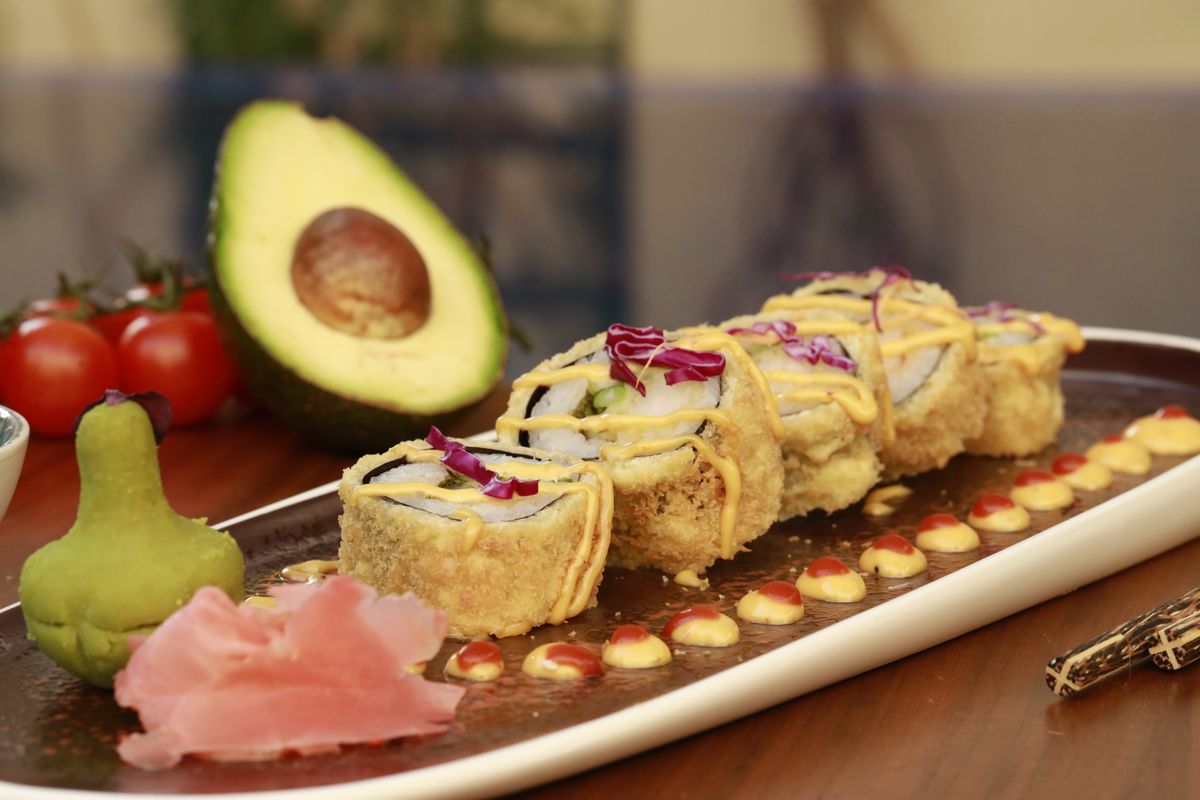
Start with the sweet potato, maintaining the oil at about 320°F. Dip a slice into the batter, allow the excess to drip off for a second or two, and gently lower it into the oil. Chen’s recipe cooks these ¼-inch root-vegetable slices for about 3–4 minutes, until lightly golden. The lower temperature gives the interior time to cook without pushing the coating too far ahead of it.
For the mushrooms and eggplant, raise the oil temperature to approximately 338–356°F and fry for about 1–2 minutes, following Chen’s guidance. Work in small batches rather than packing the pot; she recommends covering no more than half the oil’s surface with ingredients. Cold battered vegetables lower the oil temperature, so check the thermometer and adjust the heat between batches. Different vegetables need different treatment, not one universal timer.
Use a skimmer to remove loose batter crumbs between batches, before they burn and affect the oil’s flavor. Transfer finished pieces to a wire rack so excess oil can drain away, and serve them immediately with the prepared tentsuyu. Grated daikon is a traditional accompaniment in both Chen’s and Kikkoman’s recipes. With the sauce waiting and the vegetables cooked in manageable batches, you can enjoy tempura at its best: freshly fried, lightly coated, and ready to crunch.
Other Posts You May Like
Boomers, Stop Hoarding the China. Millennials Don’t Want It as an Inheritance
Arizona Homeowner Says He Lost His $475,000 House Over Less Than $1,000 in HOA Dues
11 Everyday Things Many Baby Boomers Are No Longer Willing to Put Up With