8 Things You Do That Secretly Annoy Your Neighbors
You wave across the driveway, exchange greetings, and consider yourself a decent neighbor. Yet the people next door might dread your late-night music, awkward parking, or endless questions. Neighborhood tension rarely begins with one dramatic argument.
Little inconveniences pile up until smiles become forced. Not every irritation means someone dislikes you. Still, surveys suggest certain habits repeatedly cause friction. Here are eight worth reconsidering.
Playing Music Like Everyone Bought a Ticket
Your favorite song sounds wonderful in your kitchen. Through a shared wall at midnight, it may sound considerably less charming.
The Survey Center on American Life reported in 2026 that noise featured in 23% of disputes described by respondents who had experienced neighbor conflict. That does not mean all Americans.
Ordinary household sounds are unavoidable. But booming speakers, prolonged parties, and late-night television can test anyone’s patience. Lower the volume, watch the clock, and take a polite complaint seriously. Your neighbors should not need earplugs to enjoy their own living rooms.
Asking Questions That Feel Like Investigations
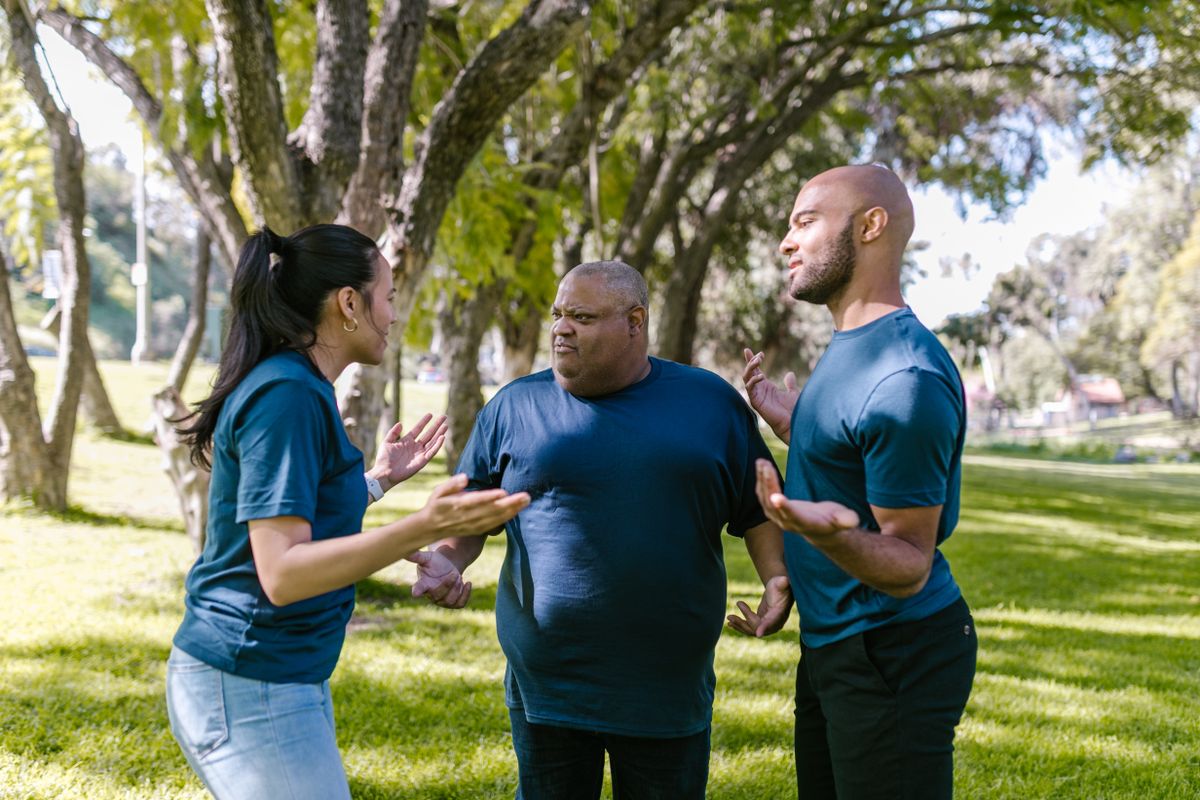
A friendly “How was your weekend?” welcomes conversation. “Who stayed at your house last night?” can feel like surveillance.
In a 2023 LendingTree survey, 29% of respondents who disliked a neighbor called that person too nosy. The online survey was not a probability sample, so it cannot represent everyone’s experience.
Curiosity is natural, but personal boundaries matter. Avoid questions about someone else’s relationships, finances, or visitors unless they bring it up. When answers are brief, let the conversation end. A wave can build goodwill without a family update.
Letting Your Pets Become Everyone’s Problem
Your dog may be adorable, but the person carrying groceries might not appreciate muddy paws against clean trousers. Neither will the gardener appreciate discovering an unpleasant surprise beside the roses.
Pets appeared in 19% of neighbor disputes described in the Survey Center’s report. Complaints included uncontrolled dogs and animal waste.
Keep pets under control, clean up, and respect neighbors who prefer distance. Saying “He’s friendly!” does not erase someone else’s discomfort. Responsible pet ownership means considering the people sharing your street, not just your animal.
Parking Wherever You Find Convenient
Blocking a driveway for “just five minutes”can ruin someone’s morning if they need to leave immediately. Parking accounted for 9% of disputes described in the Survey Center on American Life report. The issue often involves access rather than where a car sits.
Before walking away, check entrances, assigned spaces, and sidewalks. Tell visitors where they may park without inconveniencing others. Remember, though, that a lawful public space does not belong to one household just because somebody usually parks there. Courtesy works best alongside realistic expectations.
Leaving Trash for Somebody Else to Handle
A bin left across the sidewalk, loose wrappers escaping into the wind, or overflowing bags beside a shared dumpster can irritate people who never made the mess. Norwich City Council’s housing guidance encourages residents to keep shared waste areas tidy and return bins after collection.
The solution is unglamorous: secure rubbish, follow collection rules, retrieve containers, and dispose of bulky items properly. Nobody expects your garbage can to look beautiful. They want the walkway clear and the mess contained. Trash day should not become a weeklong neighborhood event.
Turning Shared Areas Into Personal Storage
One bicycle outside an apartment door might seem harmless. Add delivery boxes, shoes, and a folding chair, and suddenly everyone else must squeeze past your belongings.
Norwich City Council’s neighborhood guidance warns against blocking communal areas with stored items. Specific building rules vary, but the principle travels well.
Hallways, entrances, and shared outdoor spaces belong to everyone who has the right to use them. Keep your possessions where they are allowed, and move temporary items promptly. Your neighbor shouldn’t have to navigate an obstacle course to reach home.
Treating Property Boundaries as Suggestions
Taking a shortcut over someone’s lawn might save a few steps. Leaving construction supplies over the property line might save space. Neither automatically earns your neighbor’s approval.
Property-line disagreements appeared in 19% of disputes described in the Survey Center’s research, including concerns about fences and encroachment.
Ask permission before entering or using another person’s property. If you are building or changing a fence, establish the boundary before beginning. Even small intrusions can feel disrespectful when repeated. A few extra steps are cheaper than a long-running feud over grass.
Making Every Greeting a Lengthy Conversation
Some neighbors enjoy chatting across the porch. Others are juggling work calls, children, groceries, or a quiet evening. The Survey Center found that 65% of Americans associated good neighborliness with avoiding excessive involvement in neighbors’ personal affairs.
Watch for clues: keys in hand, quick answers, or someone continuing toward the door. A warm greeting is enough. Save longer conversations for times when both people seem interested, and ask before dropping by unexpectedly. Friendliness becomes exhausting when it ignores the other person’s schedule.
Key Takeaways
Being a good neighbor does not mean becoming best friends. It means respecting noise levels, personal space, shared areas, property lines, and people’s time. Clean up after pets, park thoughtfully, manage rubbish, and remember that curiosity does not entitle you to private details.
Most importantly, distinguish an occasional mistake from a repeated habit. Offer others reasonable patience, and when someone raises a concern, listen without starting a battle. A little consideration can keep life next door pleasantly uneventful.