8 World Leaders Who Turned Conflict With the U.S. Into a Dangerous Game
Conflict with the United States has shaped some of the loudest chapters in modern history. Sometimes it came through full-scale war, sometimes through nuclear standoffs, sanctions, proxy battles, trade fights, or years of icy diplomatic tension. The leaders on this list did not all fight America in the same way, but each became tied to a confrontation that changed global politics.
Some challenged U.S. power directly. Others used distance, ideology, oil, military pressure, or regional influence to push back against Washington. Their stories show how personal ambition, national pride, fear, and strategy can turn political disagreement into a dangerous global contest.
Vladimir Putin
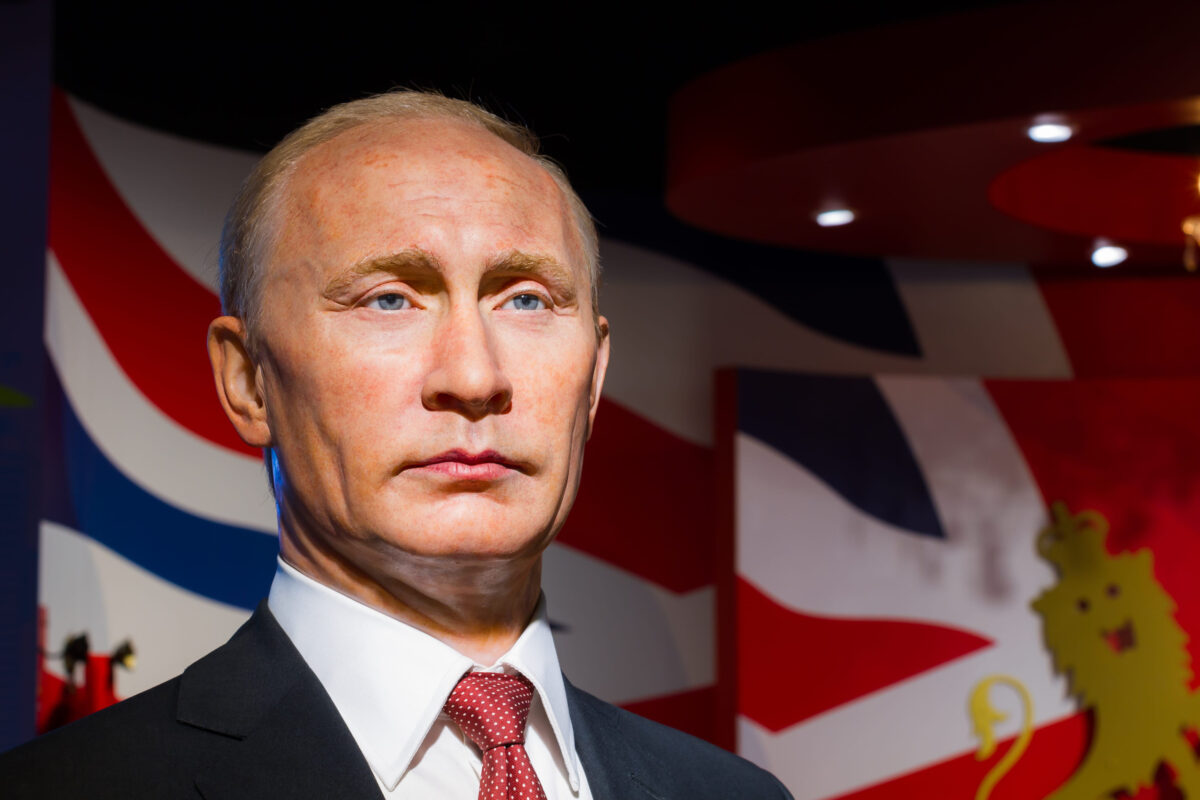
Vladimir Putin’s conflict with the U.S. has become one of the defining struggles of the 21st century. His invasion of Ukraine pushed Washington and Moscow into their sharpest confrontation since the Cold War, with the U.S. sending military aid to Ukraine and leading major sanctions against Russia. Putin has framed the conflict as a fight against Western expansion, while America sees it as a test of sovereignty and democratic alliances.
The result is a grinding geopolitical standoff filled with missiles, cyber threats, energy pressure, and nuclear warnings. Putin’s gamble has made Russia more isolated from the West, but it has also forced the U.S. to pour attention and resources back into Europe.
Xi Jinping
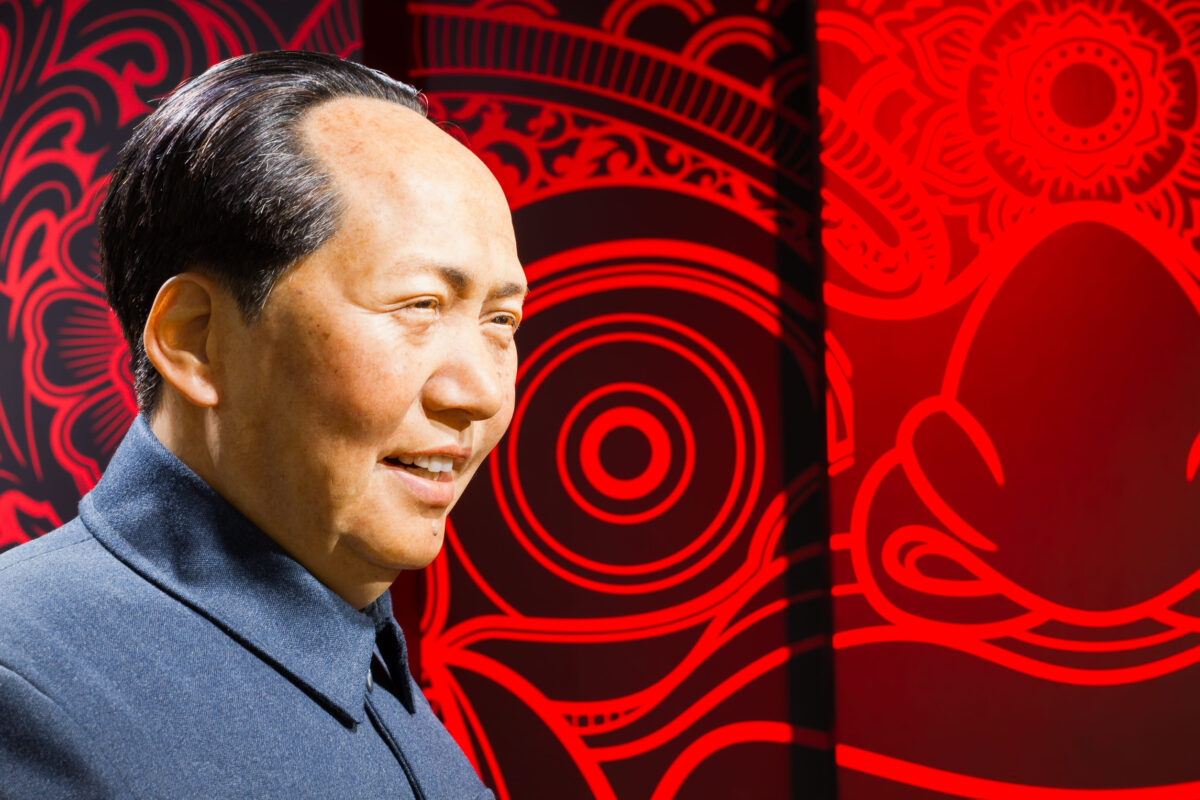
Xi Jinping’s conflict with the U.S. is quieter than a battlefield, but it may be just as consequential. Under his leadership, China has become more assertive over Taiwan, the South China Sea, technology, trade, and global influence.
Washington sees Beijing as its strongest long-term strategic competitor, especially as China expands its military and challenges U.S. dominance in Asia. Xi has pushed the idea that China should no longer accept a world order led mainly by America. This has created a tense relationship where every chip ban, naval patrol, spy balloon, tariff fight, and Taiwan warning feels like part of a larger contest for the future.
Kim Jong Un
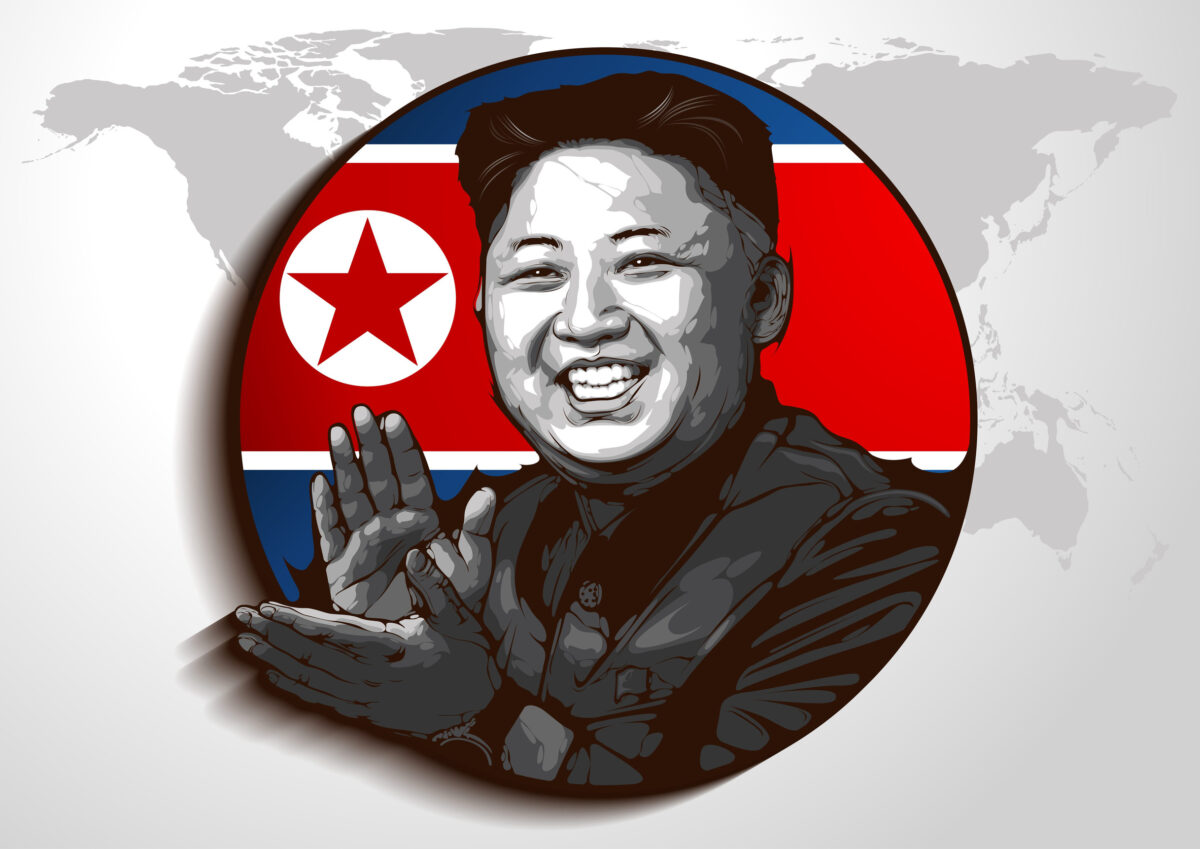
Kim Jong Un has kept North Korea locked in one of America’s most stubborn security nightmares. His nuclear weapons program has turned a poor, isolated country into a state that Washington cannot ignore. Missile launches, weapons tests, and threats against the U.S. and its allies have made North Korea a constant source of anxiety in Asia. Kim uses nuclear power as both shield and stage prop, protecting his regime while demanding global attention.
U.S. presidents have tried pressure, sanctions, military warnings, and personal diplomacy, yet North Korea’s arsenal has continued to grow. Kim’s conflict with America survives because his weapons are his strongest bargaining chip.
Ali Khamenei
Iran’s Supreme Leader Ali Khamenei has been central to decades of hostility between Tehran and Washington.
The conflict has stretched across nuclear negotiations, sanctions, regional militias, oil politics, drone warfare, and direct military scares. Khamenei portrays the U.S. as a hostile power trying to weaken Iran’s independence, while Washington accuses Tehran of threatening allies and destabilizing the Middle East. The tension has never stayed neatly inside one border. It spills into Iraq, Syria, Lebanon, Yemen, Israel, the Persian Gulf, and global energy markets. Under Khamenei, the U.S.-Iran conflict has become less like a single crisis and more like a fire that keeps spreading from room to room.
Saddam Hussein
Saddam Hussein’s conflict with the U.S. turned Iraq into the center of two major American-led wars. His 1990 invasion of Kuwait triggered the Gulf War, where a U.S.-led coalition drove Iraqi forces back in a swift military campaign.
More than a decade later, the 2003 Iraq War toppled his regime after Washington accused Iraq of hiding weapons of mass destruction. That second war became one of the most controversial U.S. foreign policy decisions in modern history. Saddam’s brutality, defiance, and miscalculations helped bring him into direct collision with American power. His fall removed a dictator, but it also opened years of instability that reshaped the Middle East.
Fidel Castro
Fidel Castro turned a small island ninety miles from Florida into one of America’s most persistent Cold War headaches. After taking power in Cuba, he aligned with the Soviet Union and became a symbol of resistance to U.S. influence in Latin America.
The failed Bay of Pigs invasion made him even more defiant, while the Cuban Missile Crisis pushed the world terrifyingly close to nuclear war. For Washington, Castro represented communist expansion at America’s doorstep. For his supporters, he was the man who refused to bow. His conflict with the U.S. lasted through embargoes, assassination plots, propaganda battles, and generations of bitter exile politics.
Ho Chi Minh
Ho Chi Minh’s conflict with the U.S. became the heart of the Vietnam War, one of the most painful chapters in American history. As the leader of communist North Vietnam, he fought first against colonial rule and then against the U.S.-backed government in South Vietnam.
Washington saw the war through the lens of Cold War containment, fearing that communism would spread through Southeast Asia. Ho saw it as a struggle for national independence and reunification. The war cost millions of Vietnamese lives and nearly 60,000 American lives, leaving deep scars on both countries. Even after his death in 1969, the movement he led carried on until Saigon fell in 1975.
Muammar Gaddafi

Muammar Gaddafi’s long conflict with the U.S. made Libya one of Washington’s most unpredictable adversaries. His government clashed with America over terrorism accusations, regional power plays, and confrontations in the Mediterranean.
In 1986, the U.S. launched airstrikes against Libya after blaming Tripoli for involvement in a deadly attack connected to American servicemen in Berlin. The Lockerbie bombing later brought even harsher sanctions and turned Gaddafi into a global outcast. His style mixed theatrical speeches, revolutionary language, and ruthless control at home. For decades, he seemed to enjoy provoking the West, but that defiance came at a high cost to Libya and to his own grip on power.
Conclusion
The leaders on this list prove that conflict with the U.S. can take many forms. It can look like tanks crossing borders, missiles pointed across oceans, sanctions cutting into economies, or speeches that turn diplomacy into theater. Some of these leaders are remembered as dictators, some as revolutionaries, some as strategists, and some as dangerous gamblers.
What connects them is their willingness to challenge American power and accept the risks that come with it. Their choices shaped wars, alliances, elections, economies, and public fear far beyond their own borders. In the end, conflict with the U.S. rarely stays local. Once it begins, the whole world usually feel