9 Baking Mistakes That Keep Homemade Treats From Turning Out Right
Baking has a funny way of looking simple until the oven starts telling the truth. You can follow a recipe with confidence, picture soft cookies or a golden cake in your mind, and still end up with something too dry, too dense, too flat, or, in all the wrong places, strangely chewy. That is because baking is less forgiving than everyday cooking. A pinch here, a splash there, or a few extra minutes may seem harmless, but in baking, small habits can quietly change everything.
The good news is that most baking disasters are not mysterious. They usually come from simple mistakes that happen before the batter even reaches the pan. From cold ingredients to rushed mixing, the little choices you make can decide whether your homemade treats rise beautifully or collapse into disappointment. Once you know what to watch for, baking starts feeling less like luck and more like a skill you can trust.
Measuring Ingredients Carelessly
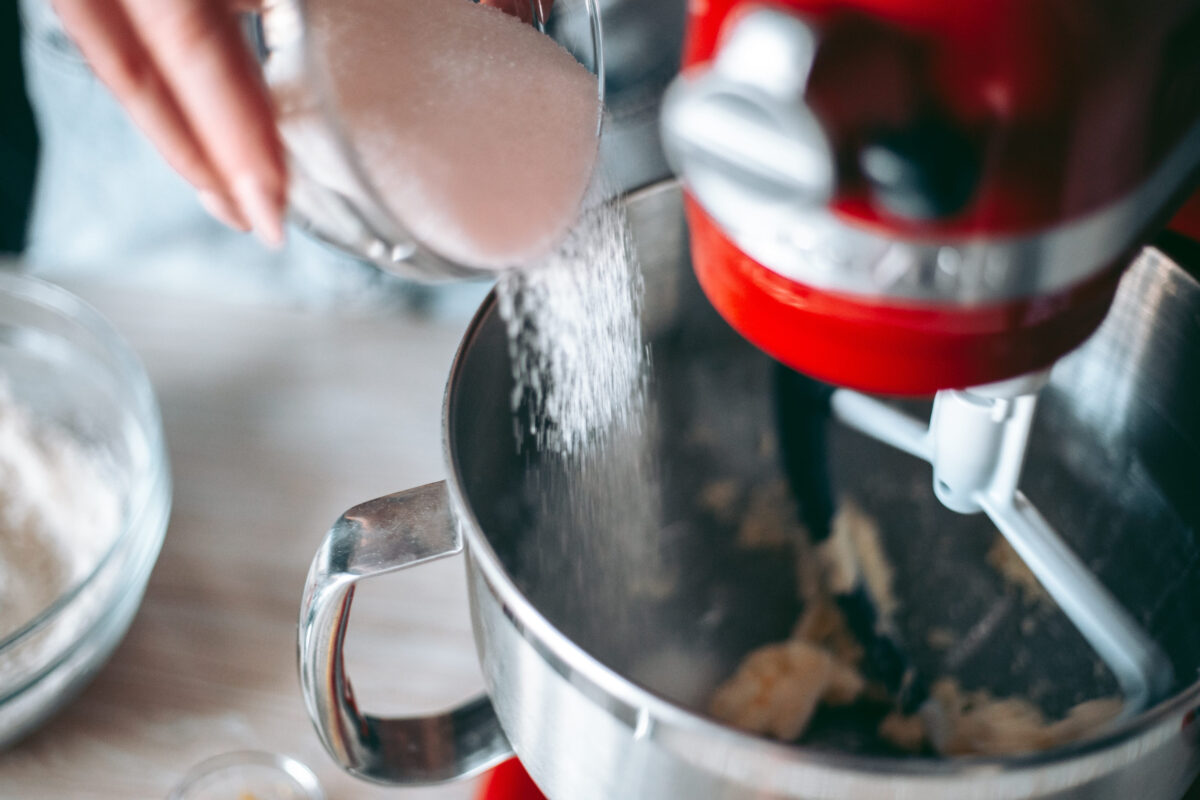
One of the biggest reasons homemade treats fail is careless measuring. Baking depends on balance, and ingredients like flour, sugar, butter, and leavening agents need to work together in the right amounts. When you scoop flour directly from the bag, you may pack in more than the recipe needs, which can make cakes dry, cookies hard, and muffins heavy.
Liquid ingredients can cause trouble, too, when measured in the wrong type of cup. A dry measuring cup and a liquid measuring cup may look similar, but they are not always used the same way. If your batter feels too thick, too runny, or strangely sticky, the problem may have started with the measuring stage. Good baking begins with accuracy, not guesswork.
Using Ingredients Straight From the Fridge
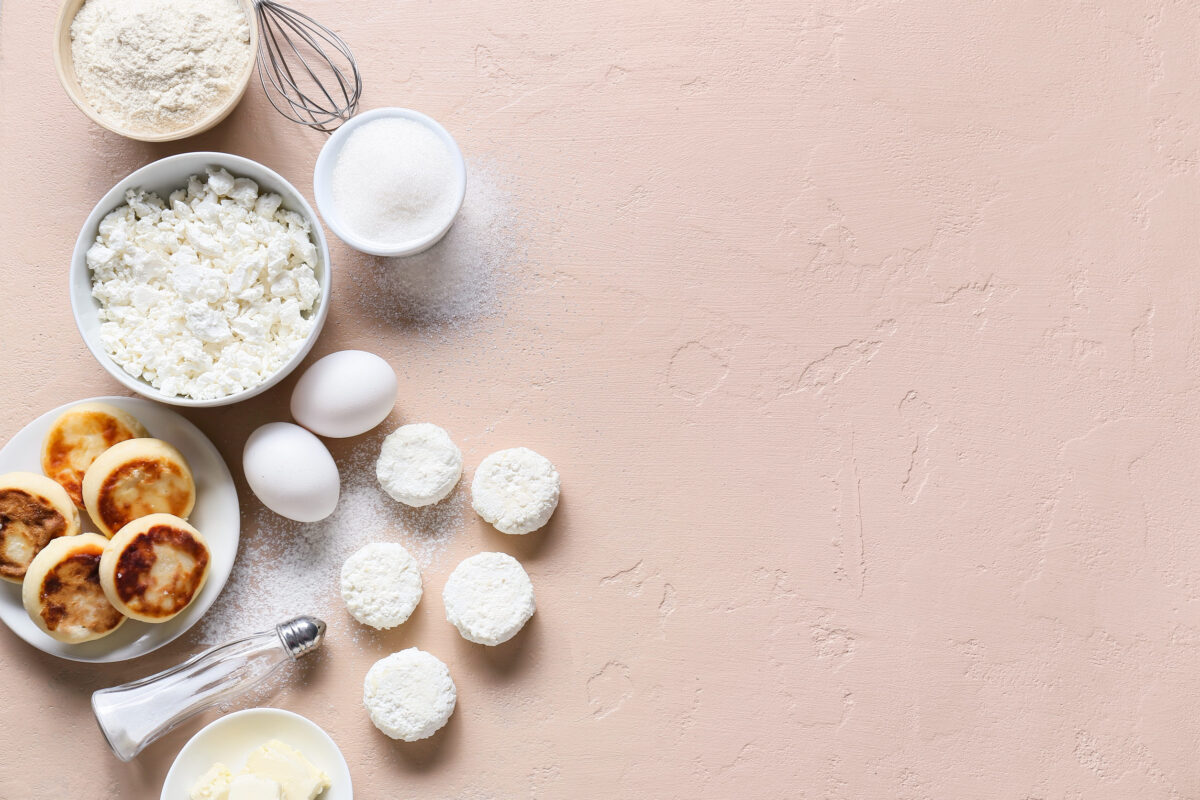
Cold ingredients can ruin the texture of many baked goods before you even notice. Butter, eggs, and milk often need to be at room temperature because they blend more smoothly into batter. When butter is too cold, it does not cream properly with sugar, and that can lead to dense cakes or cookies that refuse to spread evenly.
Room temperature eggs also mix better and help create a smoother structure. Cold eggs can cause batter to look curdled or uneven, especially in cakes and cupcakes. This does not mean every ingredient must always be warm, because some recipes need cold butter, such as pie crusts and biscuits. The mistake is ignoring what the recipe needs and treating all baking the same.
Overmixing the Batter
Overmixing is one of those mistakes that feel productive but cause quite a bit of damage. Once flour comes into contact with liquid, gluten begins to develop. A little gluten gives structure, but too much can make cakes tough, muffins rubbery, and quick breads chewy instead of tender. Many people keep mixing because they want a perfectly smooth batter, but that smoothness can come at a cost.
Most batters only need to be mixed until the ingredients come together. A few small lumps are often better than an overworked mixture. This matters even more with muffins, pancakes, and tender cakes. When a recipe says to mix until just combined, it is not being dramatic. It shows the difference between soft and stiff.
Skipping the Preheated Oven
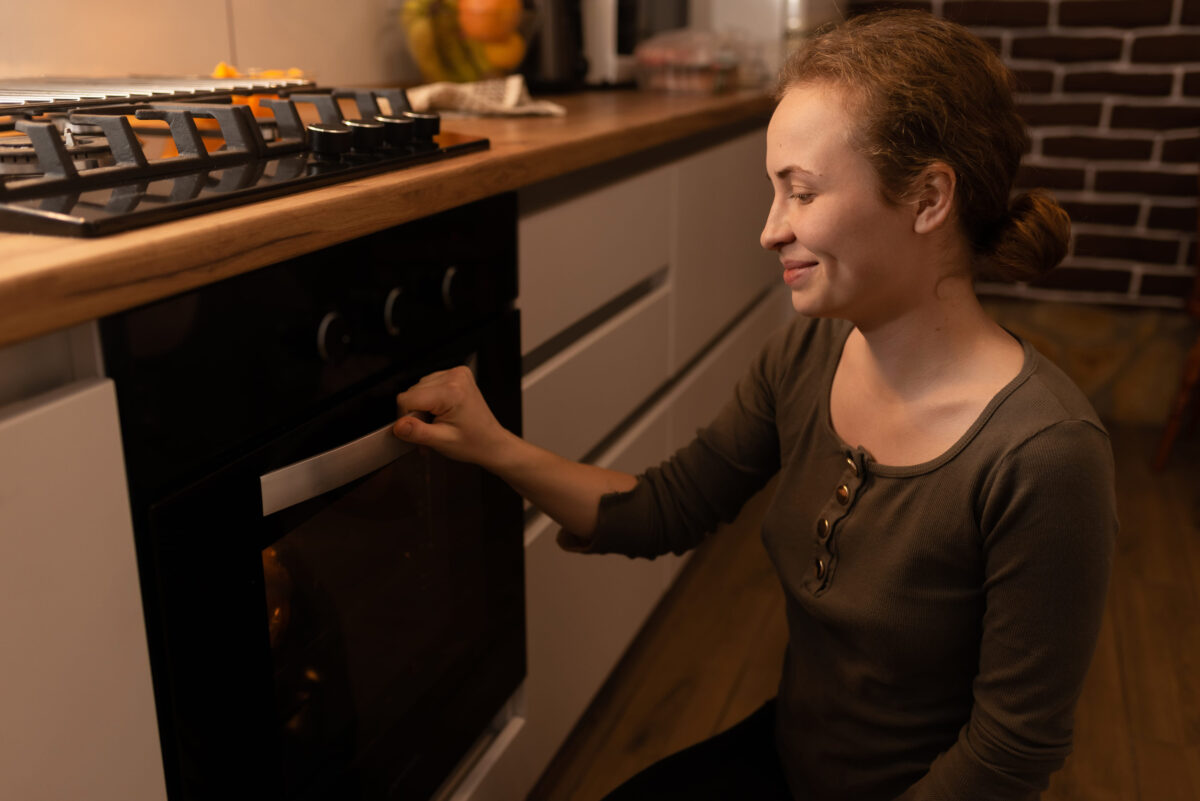
Putting batter into an oven that has not fully preheated is a shortcut that rarely pays off. Baked goods need steady heat from the beginning so they can rise, set, and brown correctly. If the oven is still warming up, cakes may sink, cookies may spread too much, and pastries may lose their shape before the structure has time to firm up.
Preheating also helps activate leavening agents at the right moment. Baking powder, baking soda, steam, and air all respond to heat, and timing matters. When the oven temperature is too low at the start, that lift can happen too slowly or unevenly. The result may look baked on the outside but feel heavy inside. Waiting for the oven to fully heat is one of the easiest ways to improve your results.
Ignoring Pan Size
Pan size can completely change how a recipe behaves. A batter meant for a smaller pan will bake differently if poured into a larger one. It may come out thin, dry, and overbaked because the heat reaches it faster. On the other hand, using a pan that is too small can leave the center underbaked while the edges turn dark and firm.
Depth matters too. Cakes need space to rise, and brownies need the right thickness to develop that rich center. Even if the ingredients are perfect, the wrong pan can make the final result seem like a recipe failure. If you do not have the exact pan size, it is better to adjust the baking time carefully rather than pretend the change does not matter.
Opening the Oven Door Too Often
It is tempting to keep checking your treats as they bake, especially when the kitchen smells amazing. But opening the oven door too often lets heat escape, and that sudden temperature drop can cause problems. Cakes may sink in the middle, soufflés may collapse, and delicate pastries may lose their lift.
The oven window exists for a reason. Use it whenever possible, especially during the first half of baking. This is when structure is still forming, and your baked goods are most sensitive. If you must check, do it quickly and gently. Baking rewards patience, even when curiosity is pulling you toward the oven door.
Using Old Baking Powder or Baking Soda
Baking powder and baking soda may look fine long after they stop working well. These ingredients help many treats rise, so when they lose strength, your results can turn flat and disappointing. Cakes may come out dense, muffins may barely rise, and cookies may spread in strange ways.
This mistake is especially frustrating because everything else can be done correctly. You can measure carefully, mix properly, and bake at the right temperature, but weak leavening will still hold the recipe back. If your baked goods suddenly stop rising the way they used to, check your baking powder and baking soda before blaming the recipe.
Frosting or Cutting Too Soon
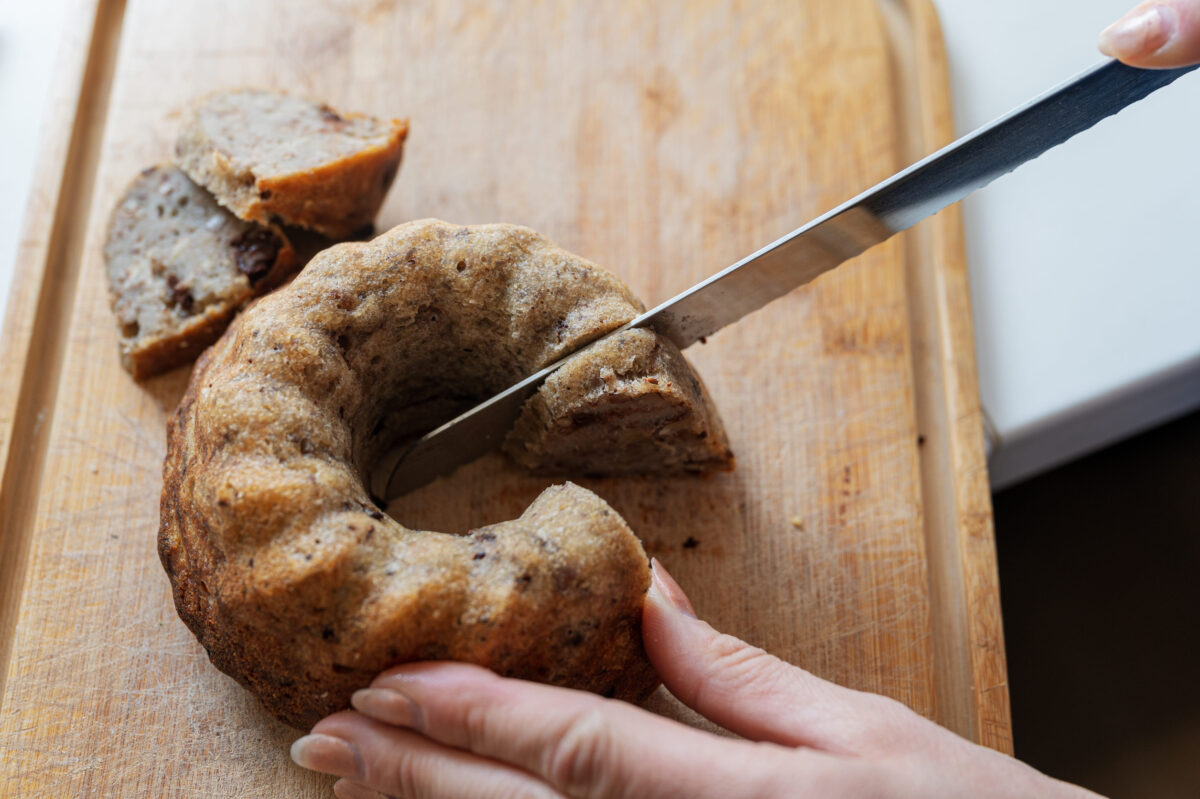
Freshly baked treats need time to rest, but many people rush this final stage. Cutting into a cake, bread, or brownie too soon can ruin the texture because the inside is still setting. What looks fully baked may still be delicate beneath the surface. Slice too early, and you may end up with crumbling cake, gummy bread, or brownies that collapse into messy chunks.
Frosting too soon causes another problem. Warm cakes melt frosting, making it slide, thin out, or soak into the crumb. Even a beautiful cake can look tired and messy if decorated before it cools properly. Cooling time is not wasted time. It is part of the recipe, and skipping it can undo all the work you already did.
Trusting Time More Than the Treat
Recipes give baking times, but ovens do not always behave the same way. One oven may run hot, another may run cool, and some have uneven heat spots. If you trust the timer alone, you may pull cookies out too early, leave the cake in too long, or miss the perfect moment when the brownies are just set.
Visual signs matter. Cakes should spring back lightly, cookies should look set around the edges, and quick breads should pass a doneness test in the center. The timer is a guide, not a judge. Great bakers learn to watch, smell, and test their treats rather than rely solely on time. That small habit can save more recipes than you think.
Conclusion
Homemade baking does not fail because you lack talent. Most problems come from small mistakes that quietly build up along the way. A little too much flour, cold butter, an impatient oven check, or an old container of baking powder can change the final result more than you expect. Once you understand those details, baking becomes easier, calmer, and far more rewarding.
The best homemade treats come from respecting the process. Measure with care, let the ingredients behave as the recipe expects, give the oven time to do its job, and let your baked goods rest before serving. Baking will always have a little magic in it, but the real secret is paying attention. When you stop rushing the small steps, your cakes rise better, your cookies bake more evenly, and your kitchen starts smelling like success instead of second guesses.