9 Casseroles That Showed Up at Every 1970s Church Supper
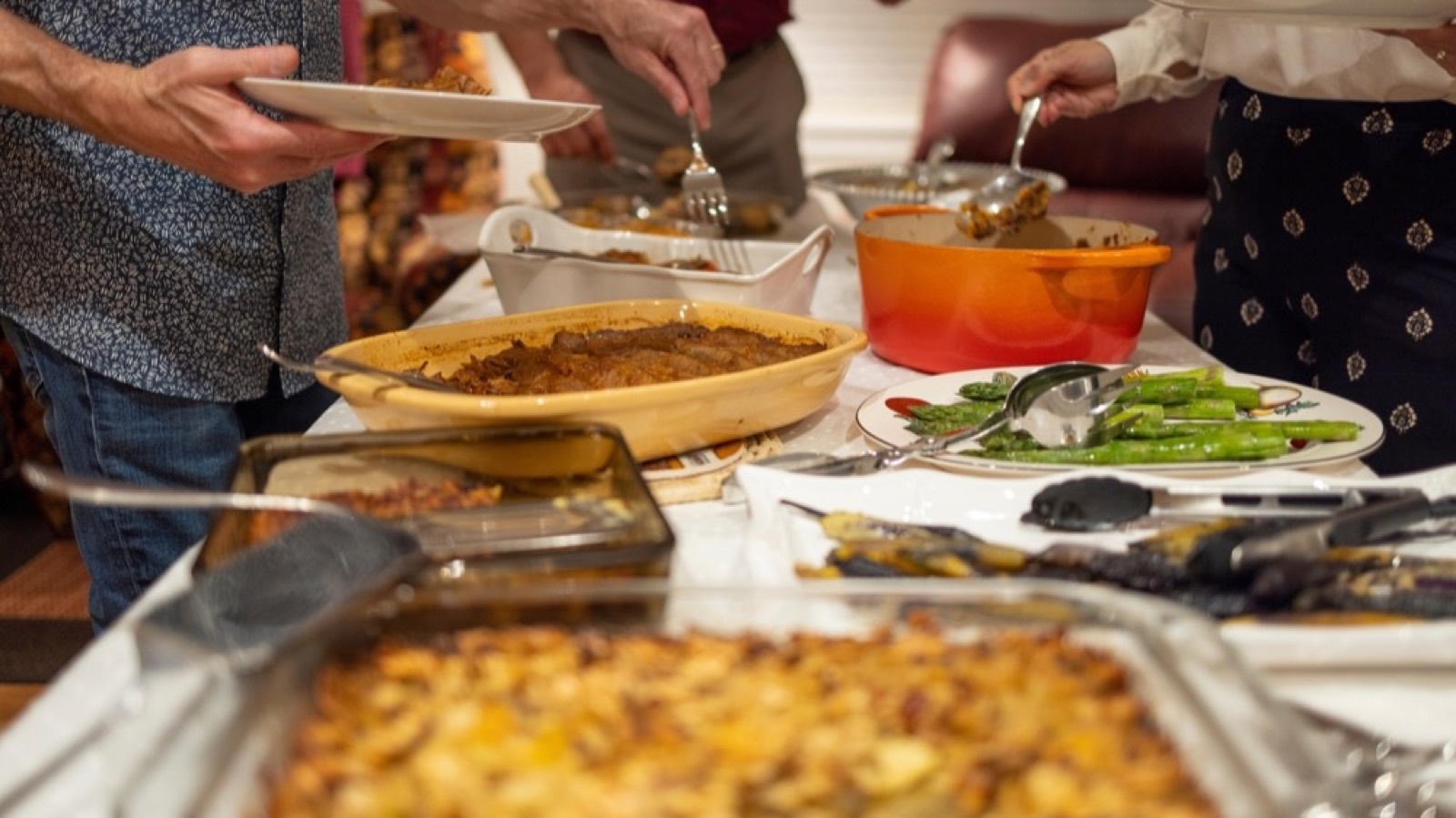
If you grew up going to church in the 1970s, you probably remember the fellowship hall. Long folding tables covered with paper tablecloths, metal folding chairs, a big percolator of coffee in the corner and a line of casserole dishes stretching from one end of the room to the other. Each one had a strip of masking tape on the bottom with the owner’s name written in marker.
Church suppers, potlucks and covered-dish dinners were a big part of community life. Women brought their best recipes, and everyone knew whose dish was whose. Some casseroles became so famous that people would hurry to the line just to get a scoop before they were gone.
The 1970s were a golden age for casseroles. Canned soups, frozen vegetables and boxed mixes made it easy to put together a hearty dish for a crowd. Here are nine casseroles that showed up at almost every church supper in that decade, and that many families still make today.
1. Green Bean Casserole
No church supper was complete without green bean casserole. The recipe was created in 1955 by Dorcas Reilly in the Campbell Soup Company’s test kitchen, and by the 1970s it was everywhere. It combined green beans, cream of mushroom soup, a splash of milk and soy sauce, topped with crispy French-fried onions.
It was easy, inexpensive and delicious, which made it perfect for potlucks. Many women made it so often they no longer needed the recipe. It remains a Thanksgiving staple in millions of homes, and Campbell’s has said the dish is served at a huge number of holiday tables every year.
2. Tuna Noodle Casserole
Tuna noodle casserole was a budget-friendly classic that fed a crowd. Egg noodles, canned tuna, cream of mushroom soup and peas were mixed together and topped with crushed potato chips or buttered breadcrumbs before baking.
It was a favorite during Lent, when many Catholic families avoided meat on Fridays, and it showed up at plenty of Protestant potlucks, too. Kids either loved it or hated it, but almost everyone who grew up in that era remembers it.
3. Chicken and Rice Casserole
This was one of the most common dishes at church dinners. Chicken pieces were baked on a bed of rice with cream of chicken or cream of mushroom soup and an envelope of dry onion soup mix. The result was tender chicken and creamy, flavorful rice.
Many cooks loved it because it took just minutes to put together and baked without much attention. It was also mild enough to please picky eaters and hearty enough to satisfy hungry farmers and working men.
4. Tater Tot Hotdish
In the Upper Midwest, especially Minnesota and the Dakotas, casseroles are called hotdish, and Tater Tot hotdish was the king of them all. Browned ground beef was mixed with cream of mushroom soup and green beans or corn, then topped with rows of frozen Tater Tots and baked until crispy.
Tater Tots were introduced by Ore-Ida in 1953, and by the 1970s they had found their way into countless church basement kitchens. Lutheran church suppers in particular are famous for this dish. Even today, it is considered comfort food across the Midwest.
5. Broccoli Rice Casserole
Broccoli rice casserole became especially popular in the 1970s, as frozen broccoli became widely available. It combined chopped broccoli, cooked rice, cream of chicken or mushroom soup and a generous amount of processed cheese, often Cheez Whiz or Velveeta.
It was a common side dish at Southern church suppers and holiday dinners. Many people remember it as the one way their mothers could get them to eat broccoli. The gooey cheese made it irresistible.
6. Sweet Potato Casserole
Sweet potato casserole topped with marshmallows was a sweet side that often sat right next to the desserts. Mashed sweet potatoes were mixed with butter, brown sugar and sometimes a little cinnamon, then topped with mini marshmallows and baked until golden.
In the South, many cooks made it with a crunchy pecan and brown sugar topping instead of marshmallows. Families still argue about which version is better, and both are common at holiday tables today.
7. Funeral Potatoes
These cheesy potato casseroles earned their name because they were so often served at luncheons after funerals, especially in Utah and other parts of the West. Frozen hash browns were mixed with sour cream, cream of chicken soup, shredded cheese and butter, then topped with crushed cornflakes or potato chips.
They were rich, filling and easy to make in big batches, so they quickly spread to church suppers of every kind. Today, many families serve them at holidays and potlucks, though the name still makes newcomers laugh.
8. Baked Macaroni and Cheese
Homemade baked macaroni and cheese was a must at many church dinners, especially in the South and in Black churches, where it remains a cherished tradition. Elbow macaroni was layered with sharp cheddar, eggs, milk and butter, then baked until the top turned golden brown.
Every congregation had a woman whose mac and cheese was legendary, and people often made sure to grab a scoop early. Unlike the boxed version that became popular with kids, the baked version was thick, rich and sliceable.
9. Seven-Layer Salad
While not technically a casserole, seven-layer salad always appeared in a glass dish right alongside them. Layers of lettuce, peas, onions, celery, hard-boiled eggs, bacon and cheese were topped with a thick spread of mayonnaise and sometimes a sprinkle of sugar.
The clear dish showed off every colorful layer, making it a favorite for potlucks. It could be made the day before, which made it convenient for busy women preparing for Sunday.
Why Church Suppers Were So Special
Church suppers were about much more than food. They brought together neighbors, friends and families of all ages. Older women passed down recipes and tips to younger ones, children ran around the fellowship hall, and men lingered over coffee and conversation long after the meal was done.
These meals also showed how communities cared for each other. When someone was sick, had a new baby or lost a loved one, casseroles were often the first thing to arrive at the door. Many families still keep recipe cards from those church cookbooks, filled with handwritten notes and the names of the women who first made each dish.
Keeping the Tradition Alive
Casseroles have never really gone out of style. Many of these dishes still appear at holiday tables, potlucks and family reunions. Some have been updated with fresh ingredients or homemade sauces, but the spirit remains the same.
If you grew up with these dishes, consider making one for your next family gathering. Chances are someone at the table will remember eating it in a church basement decades ago, and you may find yourself trading stories about the women who made them best.