9 Explosive Volcano Facts That Reveal How Strange Earth’s Fire Mountains Really Are
Volcanoes look simple from a distance: a cone, a crater, a plume, a red river of lava. Up close, they are far stranger. We find mountains taller than Everest, lakes acidic enough to behave like industrial chemicals, underwater craters where sharks swim through volcanic plumes, and lava so unusual it pours black instead of red.
We understand volcanoes best when we stop treating them as scenery and start seeing them as pressure systems. Beneath every eruption is a violent mix of molten rock, trapped gas, minerals, heat, chemistry, and tectonic stress. USGS defines magma as molten rock below Earth’s surface, and lava as the name it takes after it erupts, a distinction that matters because the real drama begins long before anything reaches open air.
Volcanoes Are Not Just Mountains With Fire Inside
A volcano is not simply a peak with a hole at the top. It is a surface expression of a deep plumbing system in which magma, crystals, dissolved gases, and fractured rock interact under enormous pressure. When gas expands faster than it can escape, the eruption can become explosive, throwing ash, lava bombs, and hot debris into the atmosphere. When gas escapes more easily, lava may pour out in glowing rivers that reshape land without the same violent blast.
This is why two volcanoes can behave in completely different ways. A shield volcano like Mauna Loa can spread fluid basaltic lava across huge distances, while a steep composite volcano can produce ash columns, pyroclastic flows, and deadly lahars. USGS groups volcanoes into major types such as cinder cones, composite volcanoes, shield volcanoes, and lava domes, which helps explain why some erupt as slow furnaces and others explode like buried engines.
Some Volcanoes Can Bring Diamonds Up From The Deep Earth
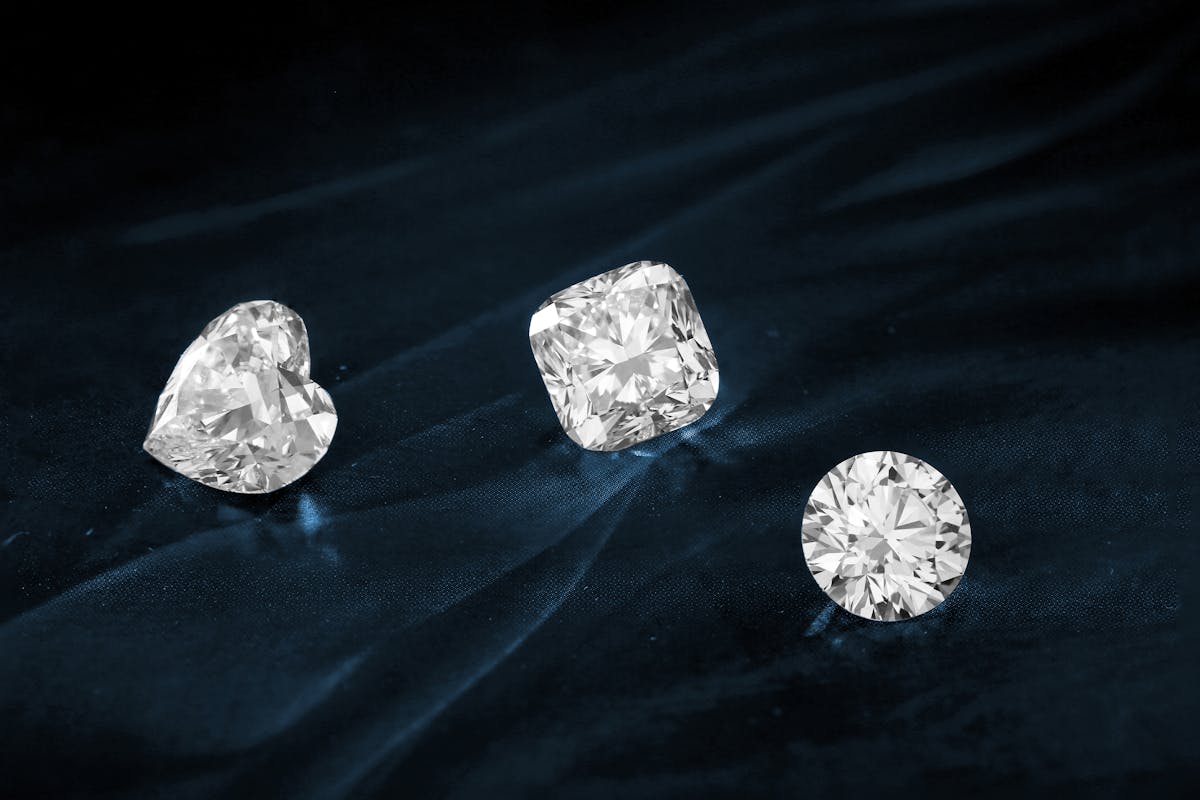
Diamonds do not form in ordinary lava flows. They form deep beneath Earth’s surface under extreme pressure, then reach the surface through rare volcanic systems known as kimberlites. These eruptions are not the tourist-friendly kind; they are ancient, violent events that punched upward from deep mantle roots, carrying diamond-bearing rock toward the crust.
Smithsonian notes that surface diamonds were brought up by a very deep-seated and violent kind of volcanic eruption, one not seen in recent times. Britannica adds that the last kimberlite eruption is thought to have occurred more than 25 million years ago, so nobody should expect diamonds to rain from an active crater today.
Mauna Kea Is Taller Than Mount Everest When Measured From Its Base
Mount Everest holds the headline because its summit rises highest above the mean sea level. Yet when we measure a mountain from base to peak, Hawaii’s Mauna Kea becomes the giant in the room. NOAA states that Mauna Kea is more than 33,500 feet from base to peak because most of the volcano lies beneath the Pacific Ocean before rising above the waves.
That single measurement changes how we think about the planet’s tallest features. Everest is a dramatic land peak, but Mauna Kea is a volcanic mountain built from the ocean floor through repeated eruptions over immense spans of time. Its quiet appearance should not be mistaken for extinction either, because USGS notes that Mauna Kea last erupted about 4,500 years ago and is likely to erupt again, even though its quiet intervals are long compared with Hawaii’s more active volcanoes.
Volcanic Ash Is Not Like Fireplace Ash
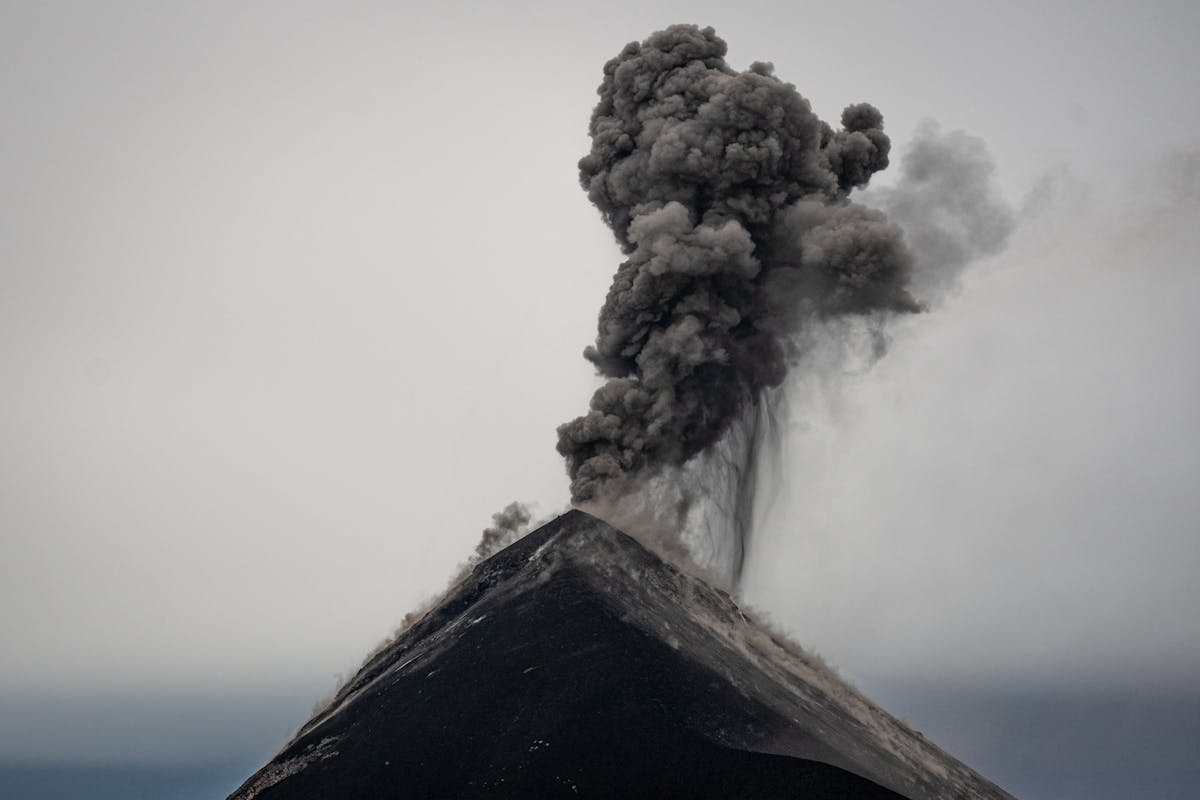
The word ash makes volcanic ash sound soft, powdery, and harmless. That is dangerously wrong. National Geographic explains that volcanic ash consists of tiny, jagged fragments of rock, minerals, and volcanic glass, usually 2 millimeters wide or smaller.
That composition explains why ash can become such a serious hazard. It can scratch aircraft windscreens, damage engines, contaminate water, irritate lungs, collapse roofs when wet, and turn roads slick. We should think of volcanic ash less like burned wood dust and more like microscopic broken glass mixed with pulverized rock.
Mauna Loa Is So Huge It Became A Training Ground For Mars
Mauna Loa is not just large. It is one of the clearest examples of how a volcano can dominate an entire landscape. Smithsonian’s Global Volcanism Program describes Mauna Loa as a basaltic shield volcano that rises almost 9 kilometers from the ocean floor and forms the world’s largest Holocene volcano.
That vast, lava-built terrain has also made Mauna Loa useful far beyond Earth science. The HI SEAS habitat sits at about 8,200 feet above sea level on a Mars-like site on Mauna Loa, where crews have lived inside a 1,200-square-foot dome for long-duration analog missions lasting 4 to 12 months. The barren lava fields, isolation, rocky terrain, and limited fieldwork opportunities make the site valuable for studying how humans might live on the Moon or Mars.
Underwater Volcanoes Can Hide Entire Extreme Ecosystems
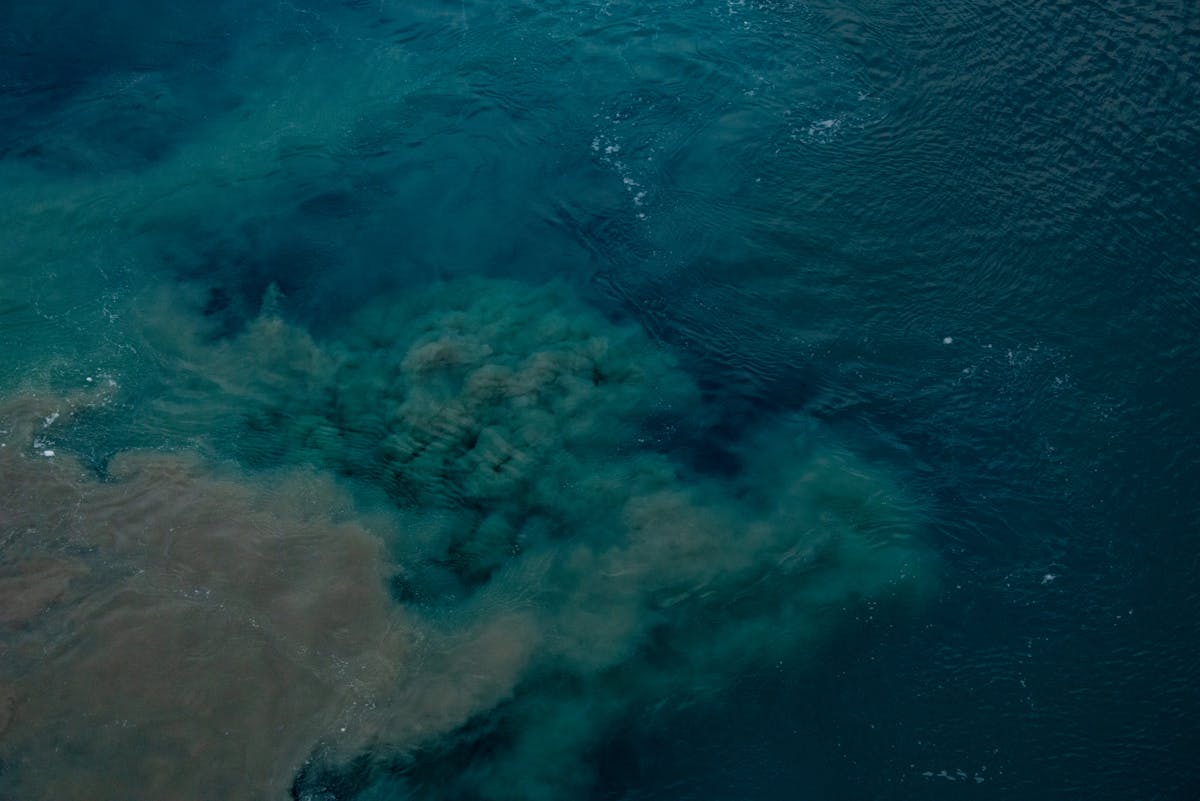
The ocean floor contains far more volcanoes than most people imagine, and many are difficult to observe because they erupt beneath water, under pressure, in darkness, and amid shifting plumes. Kavachi, an active submarine volcano in the Solomon Islands, became famous because scientists found marine life living in and around its crater. NASA Earth Observatory reported that a 2015 expedition observed silky and hammerhead sharks, microbial mats, bluefin trevally, and snapper inside the volcanic environment.
That discovery raises a broader question about life in extreme environments. Kavachi’s plumes can contain superheated acidic water, sulfur, volcanic rock fragments, and particulate matter, yet large animals still appear there during quieter periods. NASA also notes that earlier research found hammerheads living in the submerged crater and microbial communities thriving on sulfur, which makes the so-called shark volcano more than a curiosity. It is a living laboratory for how ecosystems adapt to heat, chemistry, and instability.
Cerro Negro Turned A Dangerous Ash Cone Into A Volcano Boarding Site
Cerro Negro in Nicaragua is young, black, steep, and active enough to deserve respect. Smithsonian’s Global Volcanism Program records Cerro Negro’s 1999 activity and describes strong seismic activity linked with that eruptive episode.
Its dark volcanic slopes later became famous for volcano boarding, where visitors hike up the cinder cone and descend on boards over loose black ash and gravel. The appeal is obvious: few outdoor activities let people slide down the flank of an active volcanic cone. The risk is just as obvious because the same loose volcanic material that makes the ride fast also reminds us that this landscape was built by eruptions, ashfall, and unstable deposits.
Volcanic Lightning Can Turn An Eruption Into A Thunderstorm From Hell
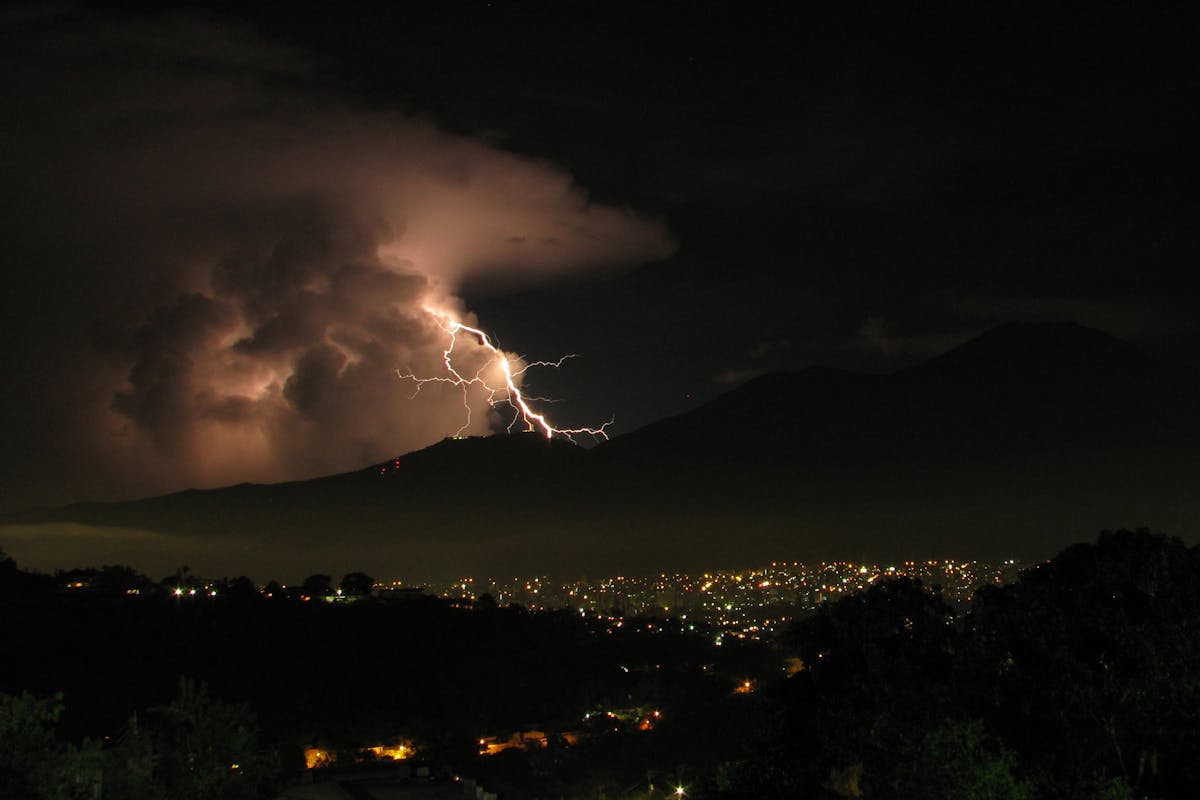
Some eruptions produce lightning inside their ash plumes, creating one of the most dramatic sights in nature. The 2022 Hunga Tonga eruption pushed that phenomenon to a record-breaking scale. AGU reported nearly 200,000 lightning flashes during the eruption, with a peak of more than 2,600 flashes per minute.
Science is still developing. A 2026 report on new research described how carbon-rich coatings on volcanic particles may help explain charge transfer inside dry volcanic plumes, giving scientists a clearer path toward understanding why ash clouds can electrify so violently. That matters because volcanic lightning is not just a spectacle. It can help researchers track eruption intensity, plume behavior, and aviation hazards in near real time.
Volcanoes Can Build Islands, Then Destroy Them Again
Submarine volcanoes can create new land when eruptions pile ash, lava, and fragmented rock above sea level. Yet those newborn islands are often fragile. Waves, storms, collapse, and renewed eruptions can erase them quickly. Kavachi is a strong example because NASA describes it as a submarine volcano that has produced ephemeral islands, meaning temporary landforms that appear and disappear as volcanic construction battles ocean erosion.
This is one reason volcanoes are both creators and destroyers. They can build coastlines, enrich soils, form islands, feed ecosystems, and expose valuable minerals. They can also bury towns, poison the air, trigger tsunamis, and change climate patterns when eruptions are large enough. A volcano is never just a disaster machine or a scenic landmark. It is one of Earth’s most powerful tools for rebuilding itself.
Lava Chemistry Decides Whether A Volcano Creeps Or Explodes
The personality of a volcano often comes down to chemistry. Silica-rich magma tends to be sticky, trapping gas and building pressure until the system erupts violently. Silica-poor basaltic magma tends to be more fluid, letting gas escape more easily and producing longer lava flows. This difference helps explain why some volcanoes create broad shield shapes, while others build steep cones with explosive histories.
That does not mean basaltic eruptions are safe. Lava flows can destroy roads, farms, homes, power lines, and water systems. Gas can still harm people, and new vents can open in unexpected places. The key point is that lava is not a single substance with a single behavior. It is a changing chemical mixture, and its mineral makeup controls how fast it moves, how violently it erupts, and what kind of land it leaves behind.
Key Takeaway
The most unforgettable volcano facts are not just trivia. They show how deeply connected Earth’s surface is to heat, pressure, chemistry, oceans, atmosphere, climate, and life itself. A volcano can raise a mountain from the seafloor, light its own plume with lightning, carry diamonds from the mantle, host sharks in acidic water, and burn blue without producing blue lava.
We understand volcanoes better when we look past the spectacle and study the systems beneath them. Every crater, ash cloud, lava lake, and blackened slope is evidence that Earth is still active, restless, and capable of changing the map without asking permission.