8 Pasta Mistakes That Quietly Ruin Dinner
Pasta looks easy until it turns against you. One minute, you picture a glossy bowl of spaghetti wrapped in rich sauce, and the next, you are staring at a clumpy, bland, sticky mess that tastes more like cafeteria regret than cozy dinner magic. The tricky thing is that most pasta mistakes do not look dramatic while they are happening. They slip in quietly, during the boiling, stirring, draining, saucing, and serving. By the time the plate hits the table, the damage is already done.
The good news is that pasta is also one of the easiest meals to improve. Small changes can turn a basic dinner into something that tastes thoughtful, balanced, and restaurant-worthy. You do not need fancy ingredients or complicated chef tricks. You only need to stop making the little mistakes that rob the dish of flavor, texture, and comfort.
Using a Pot That Is Too Small

A tiny pot may feel convenient, especially when you are cooking for one or trying to avoid extra dishes, but pasta needs room to move. When noodles are crowded, they release starch into a small amount of water, which causes them to stick together before they have a chance to cook properly. Long shapes like spaghetti, linguine, and fettuccine suffer the most because they bend, clump, and cook unevenly when forced into a cramped space.
A larger pot gives the pasta freedom to swirl as the water boils. That movement keeps the pieces separate and helps the heat reach everything evenly. It also makes stirring easier, which matters during the first few minutes of cooking. A roomy pot may seem like a small detail, but it sets the whole dinner up for success.
Not Salting the Water Enough
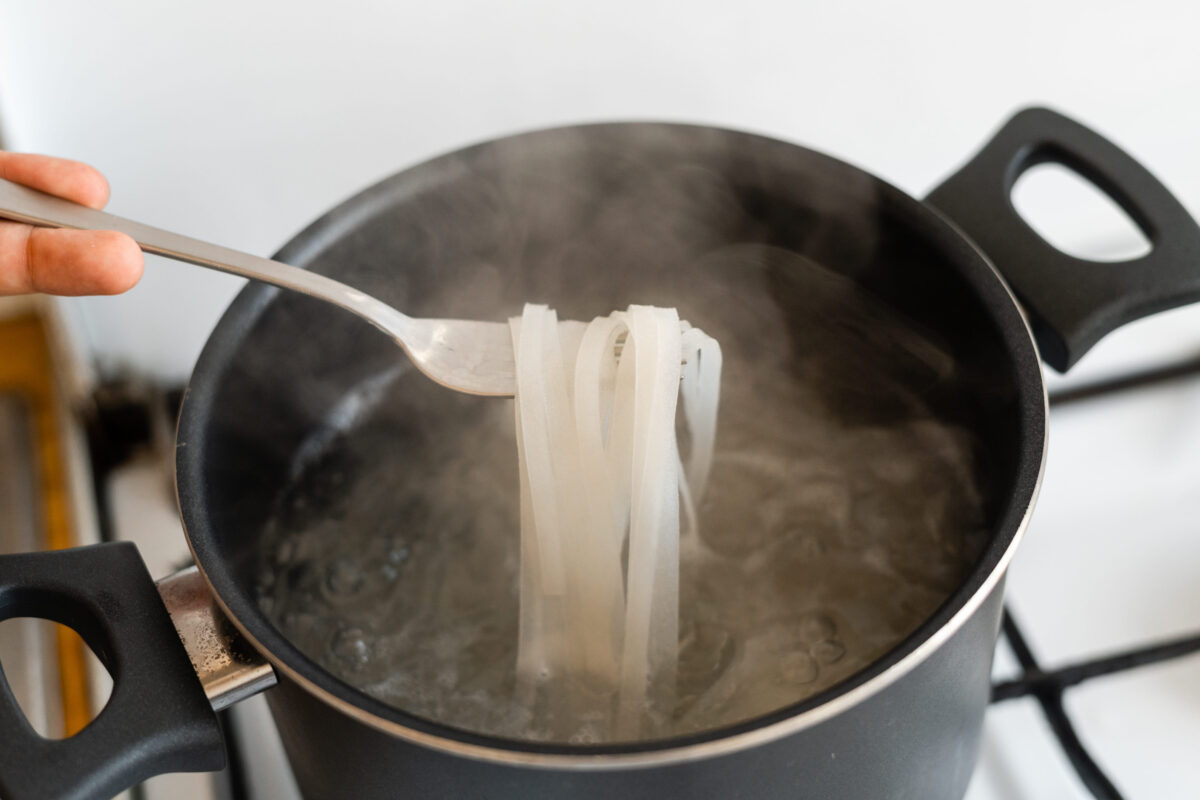
Unsalted pasta water is one of the fastest ways to end up with a flat, forgettable meal. Sauce can add flavor on the outside, but it cannot fully fix noodles that taste bland at the center. Pasta absorbs water as it cooks, which means the seasoning needs to be in the pot before the noodles soften. If the water tastes dull, the pasta will taste dull too.
Salted water does not make pasta taste salty when used correctly. It simply gives the noodles a deeper, fuller flavor, making the sauce feel more alive. This is especially important for simple dishes like garlic pasta, tomato sauce, buttered noodles, or olive oil-based recipes. When the pasta itself has character, the whole dish feels more complete.
Adding Oil to the Cooking Water

Many home cooks add oil to pasta water because they believe it prevents sticking. It may seem logical, but it usually creates a new problem. Oil floats to the surface instead of coating the pasta evenly during cooking. Later, when the noodles are drained, that slick surface can make it harder for the sauce to cling properly.
The better solution is simple stirring. Stir the pasta soon after adding it to the pot, then stir again during cooking. This breaks up early clumps and keeps the noodles moving naturally. Save the olive oil for the sauce, the finishing drizzle, or the garlic pan where it can actually add flavor instead of quietly sabotaging texture.
Overcooking the Pasta
Overcooked pasta can ruin dinner even when the sauce is excellent. Once noodles pass the tender stage, they become soft, swollen, and limp. They lose their bite and start tasting heavy instead of satisfying. This is especially noticeable in creamy or baked pasta dishes, where the noodles continue absorbing moisture after they leave the pot.
The best pasta has a little firmness at the center. It should feel tender but still hold its shape when tossed with sauce. Checking the pasta a minute or two before the package time can save the dish. The goal is not to blindly follow the clock. The goal is to taste and stop cooking when the texture still has life.
Draining Away All the Pasta Water
Pasta water may look cloudy and ordinary, but it is one of the most useful ingredients in the whole meal. That cloudiness comes from starch released by the pasta as it cooks. When added to the sauce, the starchy water helps everything come together into a glossy, clingy coating instead of a watery puddle at the bottom of the bowl.
Pouring it all down the sink is a quiet dinner crime. Before draining, scoop out a cup and keep it nearby. You may not need all of it, but a splash can loosen a thick sauce, help cheese melt smoothly, and make tomato sauce cling to the noodles better. It is a free flavor support that can rescue a dish in seconds.
Rinsing the Pasta After Cooking

Rinsing hot pasta under water strips away the starch that helps the sauce stick. It also cools the noodles too quickly, which weakens the final dish. Unless you are making a cold pasta salad, rinsing usually works against you. It leaves the pasta slippery, pale, and less willing to bond with the sauce.
Hot pasta should be moved straight from the pot into the sauce or into a warm bowl waiting for it. That heat helps the noodles absorb flavor and finish cooking gently. The surface starch acts like glue, giving the sauce something to hold onto. When you skip the rinse, the pasta tastes more unified, rather than like noodles wearing sauce as an afterthought.
Dumping Sauce on Top Instead of Tossing It Together
A pile of plain pasta with sauce poured on top may look familiar, but it rarely delivers the best flavor. The top bites taste strong, the bottom bites taste plain, and the sauce often slides away instead of coating the noodles. Pasta wants to be tossed, not decorated. The sauce and noodles need a little time together before serving.
Finishing pasta in the sauce makes a major difference. Add the drained noodles to the pan, splash in a little pasta water, and toss everything over gentle heat. This allows the sauce to thicken around the pasta instead of sitting separately. The result feels richer, smoother, and more intentional, even when the recipe is simple.
Forgetting the Final Touches
Pasta can be cooked well and still feel unfinished. A final touch brings balance, aroma, and freshness. That might be grated cheese, cracked pepper, fresh herbs, lemon zest, chili flakes, toasted breadcrumbs, or a small drizzle of olive oil. These details bring the dish to life and make it feel complete.
The mistake is treating pasta as if it’s done the moment the sauce touches the noodles. A creamy dish may need a bit of black pepper to cut through the richness. A tomato sauce may need a bit of basil or a little cheese for depth. A garlic pasta may need a bit of lemon to brighten it. The last thirty seconds can turn a basic bowl into a dinner people remember.
Conclusion
Pasta does not need to be complicated, but it does need care. The mistakes that ruin it are usually small, which is why they are so easy to miss. A crowded pot, bland water, overcooked noodles, lost pasta water, and lazy saucing can all drain the joy from a dish that should feel comforting and generous.
When you give pasta enough space, season it early, cook it with attention, and finish it properly, dinner changes fast. The sauce clings better, the noodles taste fuller, and every bite feels more balanced. That is the quiet beauty of pasta. It rewards the cook who pays attention to the little things.