9 Food Expenses Travelers Often Forget When Planning a Vacation
When most people plan a vacation, they focus on the big costs first. Flights, hotels, rental cars, and tickets to attractions usually take up most of the budget. Food often gets a rough estimate, something like “about $50 a day,” and then it’s forgotten until the trip begins.
That’s where many travelers get an unpleasant surprise. Meals, snacks, drinks, and fees can add up quickly, especially in airports, resorts, and tourist areas. By the end of the trip, food can easily become one of the largest expenses. Here are nine food expenses travelers often forget when planning a vacation, and simple ways to keep them from blowing the budget.

1. Airport Meals
Airport food is notoriously expensive. A simple sandwich, bottle of water, and coffee can cost far more than they would at home. Delays can make it worse, turning a quick snack into a full meal or two.
Packing snacks like nuts, granola bars, or fruit can help. The TSA also lets you bring an empty water bottle through security and fill it at a fountain on the other side. Eating a good meal before leaving home also reduces the need to buy food at the airport.
2. Hotel Breakfast
Some hotels include breakfast in the room rate, but many don’t. A hotel breakfast buffet can cost $20 or more per person. For a family, that adds up quickly over several days.
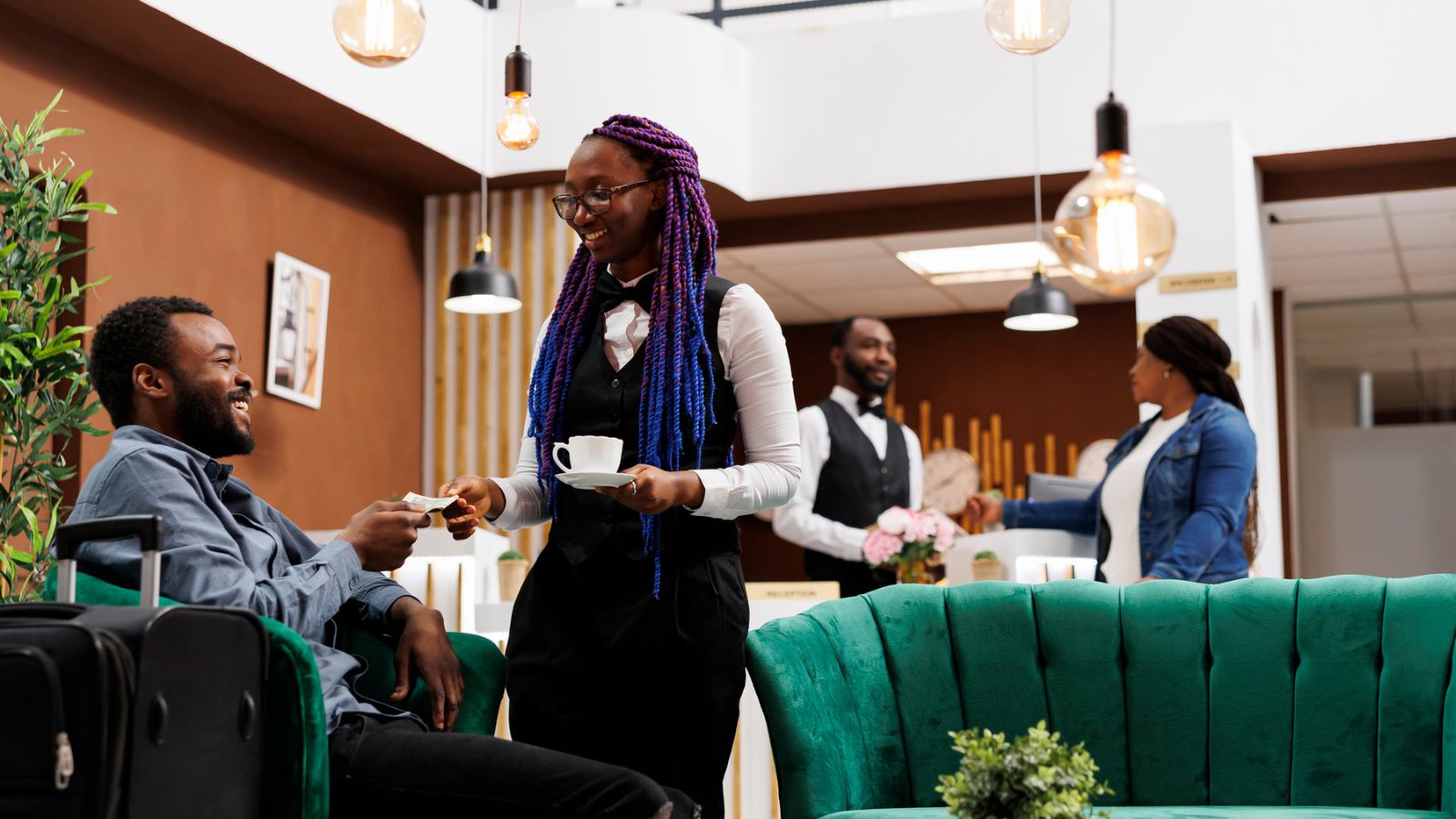
Before booking, check whether breakfast is included. If not, look for nearby cafés or grocery stores with cheaper options. Some travelers keep simple breakfast foods like yogurt, fruit, or cereal in their room.
Booking a room with a small kitchen or refrigerator can make a big difference. Even a microwave and a mini fridge let travelers prepare simple breakfasts and lunches. Over a week-long trip, those savings can cover a nice dinner or two.
3. Bottled Water
Bottled water can be a surprisingly large expense, especially in hot climates. Prices at tourist sites, hotels, and convenience stores are often high. Buying several bottles a day for each family member adds up.
Carrying a reusable water bottle can save money and reduce plastic waste. In places where tap water is safe, refilling bottles is easy. Where tap water isn’t safe, buying large jugs from a grocery store is usually cheaper.
4. Tips and Service Charges
Tipping customs vary from country to country. In the United States, tipping 15 to 20 percent at restaurants is common. In other countries, a service charge may already be included in the bill.
Travelers often forget to include tips in their food budget. It’s a good idea to research local customs before your trip, since tipping in Europe, Asia, and Latin America often follows different rules than at home. Knowing what to expect can prevent awkward moments and unexpected costs.
5. Tourist-Area Restaurants
Restaurants near popular attractions often charge higher prices. Many offer average food at premium prices because they rely on convenience and foot traffic. A meal near a famous landmark can cost much more than one a few blocks away.
Walking a little farther from tourist hotspots can lead to better food at lower prices. Asking locals for recommendations is often helpful. Reading reviews online can also help you avoid tourist traps.
Menus posted outside a restaurant can also help you judge prices before you sit down. If there are no prices listed, it may be a sign that the meal will be expensive. A quick look can save you from an unpleasant surprise when the bill arrives.
6. Snacks Between Meals
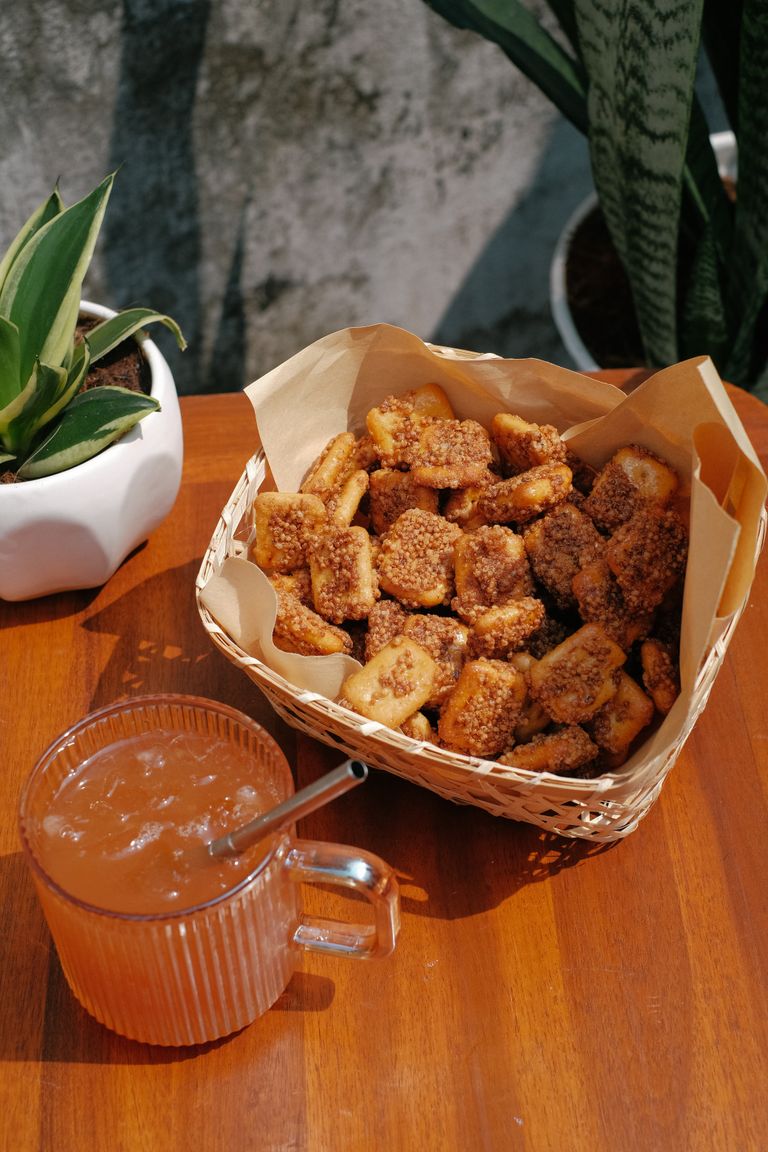
Snacks are easy to overlook in a travel budget. Ice cream cones, pastries, coffee, and soft drinks can add up throughout the day. Children especially may get hungry between meals.
Buying snacks at a grocery store can save money. Packing a small bag with snacks for day trips helps avoid expensive impulse purchases. Planning for snacks in your budget can prevent surprises.
7. Room Service and Minibars
Room service is convenient but expensive. Many hotels add delivery charges, service fees, and tips on top of already high menu prices. A simple meal can cost twice as much as it would in a restaurant.
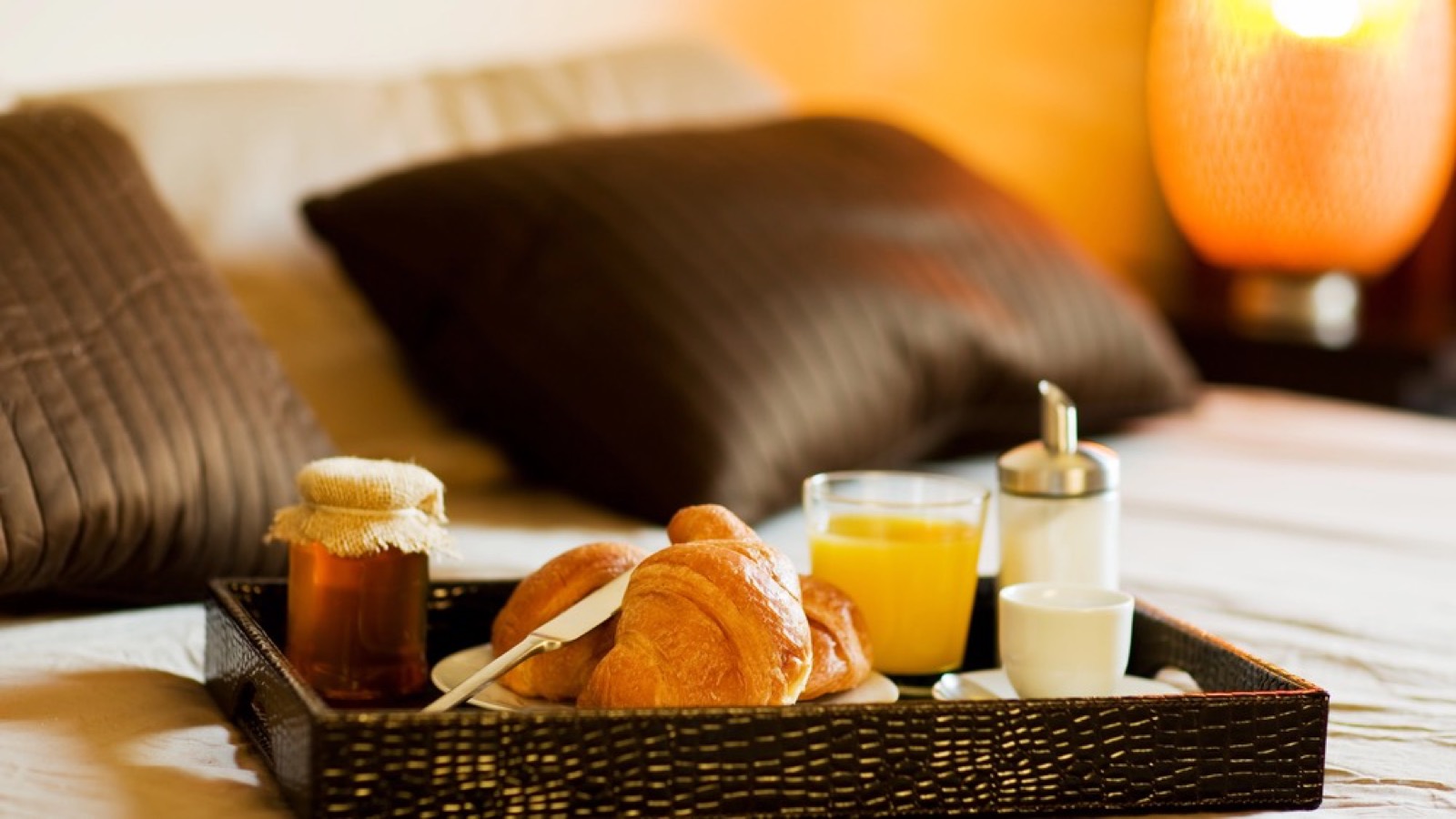
Minibars are another costly temptation. Snacks and drinks are often priced far above store prices. Some hotels even charge if items are moved, so it’s best to avoid them unless you are willing to pay.
8. Theme Park and Attraction Food
Theme parks, stadiums, and attractions often have high food prices. Visitors may have few options other than buying food inside. A family meal at a theme park can cost a significant amount.
Check whether the park allows outside food or water. Some parks let guests bring snacks or a packed lunch. Eating a large breakfast before arriving can also help reduce spending during the day.
Some parks also offer refillable cups or meal plans that can save money for families staying several days. It’s worth doing the math before buying, since they are not always a better deal. Planning meals around the park schedule can also help avoid long lines and impulse purchases.
9. Special Occasion Dinners
Many travelers plan a special dinner to celebrate their trip. These meals can be expensive, especially at popular or upscale restaurants. Drinks, desserts, and tips can increase the bill quickly.
It’s a good idea to budget for one or two special meals in advance. Choosing lunch instead of dinner at a fancy restaurant can save money, since lunch menus are often cheaper. Planning ahead lets you enjoy the experience without stress.
Making Food Part of a Realistic Travel Budget
Food is a major part of travel costs, so it’s important to plan for it carefully. Setting a daily food budget and tracking spending can help. Mixing restaurant meals with grocery store purchases can also save money.
There are many ways to eat well on vacation without spending too much. These cheap travel tips can also help stretch your vacation budget. Which food expense surprised you most on a past trip?