9 Surprising Foods That Became Popular When American Kitchens Started Changing
The American kitchen of 1900 looked nothing like the one most families had by 1960. Wood stoves gave way to gas and electric ranges, iceboxes were replaced by refrigerators, and many homes got their first freezer. At the same time, more women were working outside the home and looking for faster ways to put dinner on the table.
Food companies were quick to notice. New products promised to save time, last longer, and make cooking easier, and many of them changed the way Americans ate forever. Some of these foods seem ordinary today, but they were once seen as modern miracles. Here are nine surprising foods that became popular when American kitchens started changing, and the stories behind them.

1. Sliced Bread
It is hard to imagine, but sliced bread didn’t exist in stores until 1928. That year, a bakery in Chillicothe, Missouri, began selling bread cut by a slicing machine invented by Otto Frederick Rohwedder. Before then, families sliced every loaf by hand.
The idea caught on quickly, especially once pop-up toasters became popular. Sliced bread made sandwiches and toast faster and more uniform. It was such a hit that the phrase “the greatest thing since sliced bread” became part of everyday language.
2. Ready-to-Eat Cereal
At the start of the 20th century, many Americans ate heavy breakfasts of meat, eggs, and potatoes. Cold cereal changed that. Brothers John Harvey and Will Keith Kellogg developed flaked cereal in Battle Creek, Michigan, in the 1890s, and Will Keith Kellogg founded the company that sold Corn Flakes to the public in 1906.
Cereal was quick, cheap, and easy, and it appealed to busy families. Over the following decades, dozens of brands filled grocery shelves. By the 1950s, colorful boxes with cartoon mascots had turned cereal into a staple of American childhood.
3. Canned Condensed Soup
In 1897, a chemist at the Joseph Campbell Company named John T. Dorrance developed condensed soup. By removing much of the water, the company could make smaller, cheaper cans. Families simply added water at home and heated it on the stove.
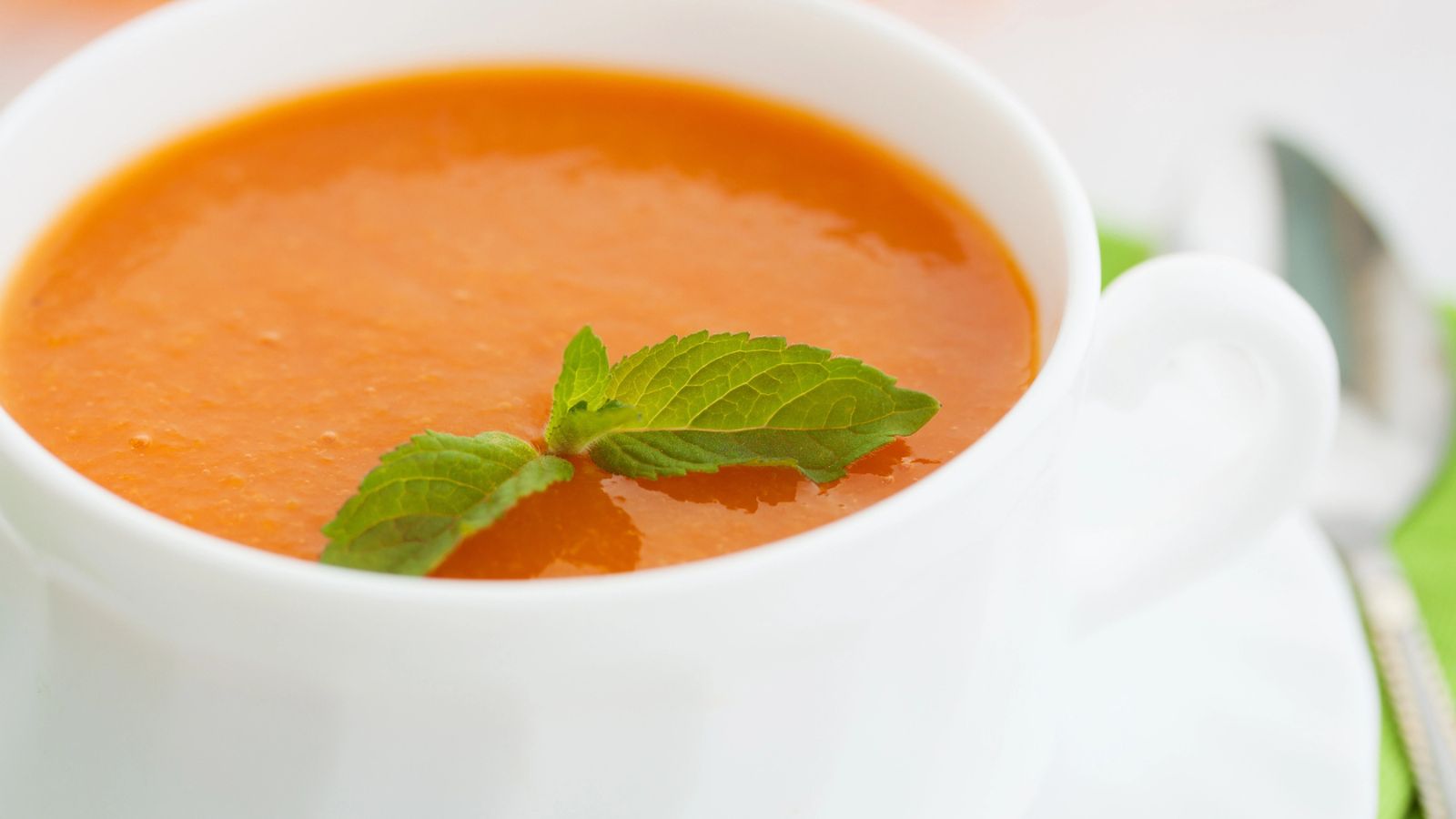
Condensed soup became a pantry essential. It was used as a quick lunch, and later as a base for casseroles. Cream of mushroom soup, in particular, became the secret ingredient in countless mid-century recipes.
By the 1950s, cookbooks and magazines were full of recipes that started with a can of soup. Casseroles, sauces, and gravies could be made in minutes. For many busy mothers, condensed soup was less of a meal and more of a kitchen shortcut.
4. Frozen Vegetables
Clarence Birdseye changed American eating after watching how quickly fish froze in the Arctic cold of Labrador. He developed a method for quick-freezing food that preserved its taste and texture. Frozen foods under the Birds Eye name went on sale in 1930.
At first, few families had freezers, so frozen vegetables were slow to catch on. After World War II, as home freezers became common, they took off. They gave families access to peas, corn, and green beans all year long.
Frozen foods also changed how families shopped. Instead of buying vegetables a few days before they were needed, shoppers could stock up and keep them for months. That shift helped pave the way for the large supermarket freezer aisles we know today.
5. Instant Coffee
Instant coffee existed earlier, but it became widely popular after Nestlé introduced Nescafé in 1938. It was shipped to American soldiers during World War II, and many came home used to drinking it. Instant coffee was quick and didn’t require a percolator.
It became a fixture in many kitchens and offices. For busy households, a spoonful in a cup of hot water was all it took. Many older Americans still remember the familiar jar sitting next to the stove.
6. Boxed Cake Mixes
Cake mixes became popular in the late 1940s and 1950s. Brands like Betty Crocker, Pillsbury, and Duncan Hines competed for space in American pantries. Suddenly, a homemade cake didn’t require measuring flour, sugar, and baking powder.
A popular story claims sales improved when companies required bakers to add fresh eggs themselves, making them feel more involved. Historians debate how true that is, but many mixes did ask for fresh eggs. Either way, boxed cakes became a regular part of birthdays and church suppers.
7. Frozen Orange Juice Concentrate
Frozen orange juice concentrate was developed in the 1940s, partly through research connected to the war effort. It became a breakfast favorite in the years after World War II. Families mixed the frozen concentrate with water in a pitcher.
It was cheaper than fresh-squeezed juice and lasted much longer. Bing Crosby even promoted Minute Maid in the early years. For decades, a can of orange juice concentrate was a regular sight in American freezers.
8. Instant Rice
Minute Rice was introduced in 1949, promising perfectly cooked rice in minutes. Traditional rice could take 20 minutes or more and sometimes stuck to the pot. Instant rice was precooked and dried, so it only needed to soak in boiling water.
It became popular with busy cooks and was used in casseroles and side dishes. Many families served it with gravy or butter alongside meat. Though many cooks prefer regular rice today, instant rice is still widely sold.
9. Tang
Tang was introduced by General Foods in 1959 as a powdered orange drink. Sales were slow at first. Its fortunes changed when NASA astronauts drank it on Gemini spaceflights in the mid-1960s, and General Foods proudly advertised the connection.
Many people still believe NASA invented Tang, but that’s a myth. The drink was simply chosen for its convenience. For many children of the 1960s, drinking Tang made them feel like astronauts.
Why Convenience Changed Eating Habits
Convenience foods changed how Americans cooked, shopped, and ate. They saved time and made meals easier for busy families. Many of these products are still part of everyday life.
Many kitchen classics also changed American cooking forever. Some once-popular products are now among the forgotten household items of the past. Which of these foods do you still use in your kitchen?