9 Foods That Are Illegal to Sell in Certain U.S. Cities
Not every food that is legal in America can be sold in every city. Some familiar dishes, luxury delicacies, and homemade desserts face restrictions that can surprise even experienced restaurant owners. In some cases, the ingredient itself is the problem; in others, the restriction depends on where the food was prepared or how it is sold.
These laws are often designed around animal welfare, food safety, or commercial production standards. Some are city-specific, while others are statewide rules affecting businesses in cities such as Los Angeles, Boston, and Newark. Here are nine foods that face sales restrictions in certain parts of the United States.
Foie Gras in New York City
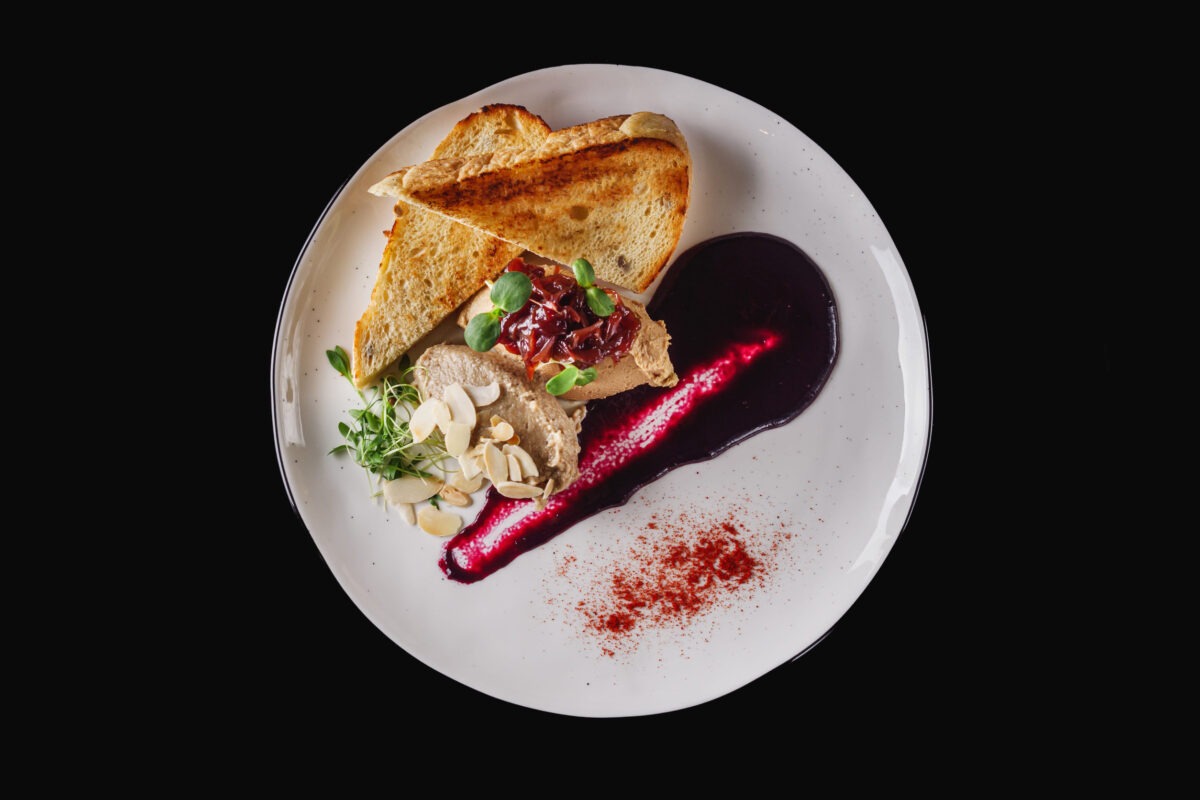
Foie gras is a French delicacy made from duck or goose liver, but its production has long raised animal welfare concerns. Traditional methods often involve force-feeding birds to enlarge their livers. That practice prompted New York City lawmakers to approve a controversial sales restriction in 2019.
Local Law 202 targets foie gras produced through force-feeding and restricts its sale by retail food establishments. However, legal challenges have complicated the law’s implementation, making its enforcement status important. The restriction should not be confused with an uncontested ban on every type of foie gras.
Shark Fin Soup in Los Angeles, California
Shark fin soup has traditionally appeared at certain Chinese banquets and upscale restaurants. However, California prohibits the commercial sale and distribution of detached shark fins, subject to limited legal exceptions. The statewide restriction applies to restaurants and businesses throughout Los Angeles.
California Fish and Game Code Section 2021 addresses the trade in shark fins rather than banning every shark-based food. As a result, traditional soup made with prohibited fins cannot legally be sold. Restaurants may instead serve alternative versions without the restricted ingredient.
Horse Meat in San Francisco, California
Horse meat is consumed in several countries, but California has taken a firm position against selling it for human consumption. State voters approved Proposition 6 in 1998, establishing legal protections that remain relevant today. The restrictions apply in San Francisco, Los Angeles, and other California communities.
California Penal Code Section 598d prohibits offering horse meat for human consumption. Restaurants, cafes, and other public eating establishments cannot legally place it on their menus. Unlike regulations that target specific preparation methods, this restriction applies when horse meat is offered as human food.
Raw Milk in Boston, Massachusetts

Raw milk has not undergone pasteurization, a process that reduces harmful microorganisms. Massachusetts allows limited raw milk sales but tightly controls where consumers can purchase it. Regular grocery stores and other ordinary food establishments generally cannot sell it.
Instead, qualifying farms that meet state certification and inspection requirements may sell raw milk directly. This means Boston shoppers cannot legally purchase raw milk through the same retail channels used for conventional pasteurized milk. The product itself is not entirely prohibited, but its permitted sales locations are restricted.
Related: 8-pantry-and-fridge-staples-that-offer-calcium-beyond-milk/
Wild-Harvested Venison in New York City
Venison occasionally appears on restaurant menus, but not all deer meat can legally be sold. New York State distinguishes between commercially raised deer and wild-harvested animals. This distinction affects restaurants, specialty butchers, and farmers markets operating in New York City.
According to the New York State Department of Agriculture and Markets, wild game meat cannot be sold at farmers’ markets. Farm-raised venison may be sold if it is processed under applicable inspection requirements. Therefore, venison itself is not banned, but illegally sourced wild-harvested meat cannot enter ordinary commercial sales.
Doughnuts Made With Artificial Trans Fats in New York City
Doughnuts are everywhere in New York City, but certain ingredients previously used to prepare them face strict restrictions. In 2006, the city’s Board of Health approved regulations limiting artificial trans fats in restaurant food. The rules were introduced gradually during 2007 and 2008.
Artificial trans fats were historically found in some frying oils, shortenings, and baking ingredients. New York City’s restrictions prevent food establishments from preparing and serving products containing prohibited artificial trans fats, subject to specific exceptions. Doughnuts remain perfectly legal, provided businesses use compliant ingredients and preparation methods.
Homemade Pumpkin Pie in Newark, New Jersey
Pumpkin pie is a holiday favorite, but New Jersey restricts sales of homemade versions. The state’s Cottage Food Operator Permit allows approved foods to be prepared in residential kitchens. However, pumpkin is specifically excluded from the approved ingredient list.
New Jersey also excludes pumpkin pies from its permitted cottage food products, including fruit pies. As a result, home bakers in Newark cannot sell traditional pumpkin pies under a standard cottage food permit. Licensed commercial bakeries and grocery stores can still sell pumpkin pies when operating under the appropriate food regulations.
Homemade Cheesecake in Jersey City, New Jersey
Cheesecake may be a bakery staple, but traditional recipes are not permitted under New Jersey’s cottage food program. The state’s prohibited ingredient list includes cream cheese, sour cream, and cheese. Its approved food guidance also specifically excludes cheesecake.
This restriction affects home-based sellers throughout Jersey City and other New Jersey communities. Someone preparing traditional cheesecake in a residential kitchen cannot legally sell it using only a cottage food permit. However, properly licensed commercial bakeries can sell cheesecake under the food safety requirements applicable to their operations.
Homemade Custard-Filled Pastries in Trenton, New Jersey
Custard-filled pastries are another unexpected example of restricted homemade foods. New Jersey’s cottage food regulations prohibit custard and certain cream-based fillings under its home-kitchen permit system. These rules affect pastries that contain ingredients requiring additional temperature controls.
A home baker in Trenton cannot use a cottage food permit to sell traditional custard-filled pastries prepared in a residential kitchen. However, appropriately licensed commercial establishments may produce and sell the same desserts. The restriction applies to the type of operation and preparation requirements, not to customers buying custard pastries altogether.
Why These Food Restrictions Matter
Food laws can vary considerably across the United States, even when the products involved seem ordinary. Some restrictions ban certain ingredients, while others regulate animal products, commercial processing, or home-based food businesses. Understanding these differences helps consumers and food entrepreneurs avoid confusion about what is actually illegal.
Before selling specialty foods or launching a home-based bakery, check current state and local regulations. A product permitted in a licensed commercial kitchen might not qualify for sale from someone’s home. Ultimately, where and how a food is sold can matter just as much as what is on the plate.
other articles you may like:
– 8-cheap-fast-food-meals-that-could-be-costing-you-more-than-you-think/
– 10-most-delicious-desserts-everyone-should-try/
– the-cozy-soup-formula-youll-want-on-repeat-when-dinner-feels-impossible-2/