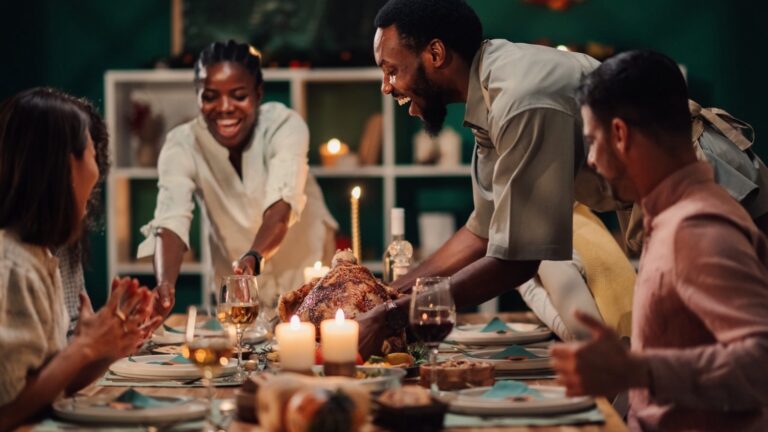
7 Types of Relatives Everyone Dreads Seeing at Thanksgiving
Thanksgiving is supposed to be a day of gratitude, good food and family togetherness. And for the most part, it is. But nearly every family has at least one relative who makes the day a little more complicated. You love them, of course, but you also brace yourself a little when you hear their car pull into the driveway.
These relatives aren’t bad people. Often, they don’t even realize how they come across. But their habits can turn a warm, happy gathering into a test of patience. Many people quietly plan where to sit and which topics to avoid long before the turkey comes out of the oven.
If you’ve ever rolled your eyes behind someone’s back at Thanksgiving dinner, you’re not alone. Here are seven types of relatives many people dread seeing at the holiday table, and a few ways families keep the peace.

1. The Political Debater
Every family seems to have one. The political debater can’t resist bringing up the latest news, the election or a hot-button issue, and they’re always ready for an argument. Before the mashed potatoes have been passed, they’ve already started a lecture.
For many families, this relative is the biggest source of holiday tension. Some households set a firm “no politics” rule at the table. Others assign someone to quickly change the subject when things start heating up. Couples often work out a game plan ahead of time to keep disagreements small before they boil over.
2. The Nosy Questioner
The nosy questioner wants to know everything. When are you getting married? Why don’t you have kids yet? How much money do you make? Did you gain weight? They ask questions that most people would never dream of asking, often in front of the whole family.
Younger relatives often dread this person the most, since they tend to get the most personal questions. Many people prepare polite but vague answers in advance. A cheerful “We’ll see!” or a quick change of subject can work wonders.
3. The Know-It-All
The know-it-all has an opinion on everything, from how to cook the turkey to how you should raise your kids. They correct other people’s stories, give advice nobody asked for and always seem to know a better way of doing things.
In the kitchen, they can be especially trying. They may hover over the cook, suggest changes to family recipes or point out that the gravy is too thin. Many hosts say the best way to handle a know-it-all is to give them a job of their own, which keeps them busy and out of the way.
4. The Late Arrival
The late arrival shows up an hour or two after everyone else, often right when dinner is being served or even after it’s over. Sometimes they don’t call ahead, leaving the host unsure whether to wait or start eating.
For the cook, this can be especially frustrating. Turkey and side dishes don’t hold well, and keeping everything warm for a latecomer is stressful. Many families now set a firm dinner time and start without anyone who isn’t there. The late arrival still gets a warm welcome, just with a plate of leftovers.
5. The One Who Brings Up Old Grudges
Some relatives can’t let go of the past. A comment made 20 years ago, an old family feud or a perceived slight from childhood can resurface after a glass of wine or two. Before anyone knows it, a pleasant dinner has turned into a tense scene.
Old grudges can be painful, especially when they involve siblings or parents. Many families try to steer conversations toward happy memories and away from sore spots. Sometimes, the best thing to do is gently say, “Let’s not get into that today.”
6. The Complainer
The complainer finds something wrong with everything. The house is too cold, the turkey is too dry, the drive was too long and the chairs are uncomfortable. They may criticize the food, the decorations or the way the day is organized.
This relative can wear down even the most patient host. After days of preparation, hearing nothing but complaints is discouraging. Many people choose to simply smile, nod and move on, refusing to let one person’s negativity spoil the day for everyone else.
7. The Guest Who Never Helps
The guest who never helps arrives, eats, relaxes and leaves without lifting a finger. They don’t offer to bring a dish, set the table, clear plates or wash a single cup. Meanwhile, the host and a few others do all the work.
This can quietly build resentment, especially when the same people do all the work year after year. Some families now assign tasks to everyone, so there’s no question about who’s responsible for what. A little friendly guidance can go a long way. Simple houseguest etiquette applies to family too.
Why These Relatives Still Matter
As frustrating as these relatives can be, most families wouldn’t want Thanksgiving without them. They’re part of the family story, and many people later laugh about the holiday mishaps they caused. Some of the best family memories come from the most chaotic dinners.
It’s also worth remembering that people often act this way for a reason. The complainer might be lonely, the late arrival might be overwhelmed and the nosy questioner might simply want to feel connected. A little understanding can make a big difference.
Ways Families Keep the Peace
Many families have developed their own strategies for a smoother holiday. Some set clear ground rules, like no politics or no phones at the table. Others plan activities, like games or a walk after dinner, to keep people engaged and in good spirits.
Seating arrangements can help too. Putting a calm, friendly person next to a difficult relative can keep conversations pleasant. And keeping the focus on gratitude, food and shared memories helps remind everyone why they gathered in the first place.
Some hosts also keep the day shorter on purpose. A clear start time, a relaxed meal and a natural ending after dessert can keep tired, cranky moods from setting in. Others make a point of going around the table and having everyone share one thing they’re thankful for, which can soften even the toughest crowd. It’s an old tradition, but it still works.
Which of these relatives shows up at your Thanksgiving table? And do you have a trick for keeping the peace when things get tense?