9 Foods That Were a Luxury for 1960s Families and Are Cheap Today
Grocery prices seem to climb every year, and it’s easy to assume everything costs more now than it did in the “good old days.” In many ways that’s true. But some foods that ordinary 1960s families considered a special treat have become everyday staples that almost anyone can afford.
Back then, a lot of foods were seasonal, regional or simply expensive to ship and store. Families saved them for holidays, birthdays or company. Thanks to better farming, refrigerated shipping and global trade, many of those treats now sit on grocery store shelves all year long. Here are nine foods that felt like a luxury to many 1960s families but are cheap and common today.
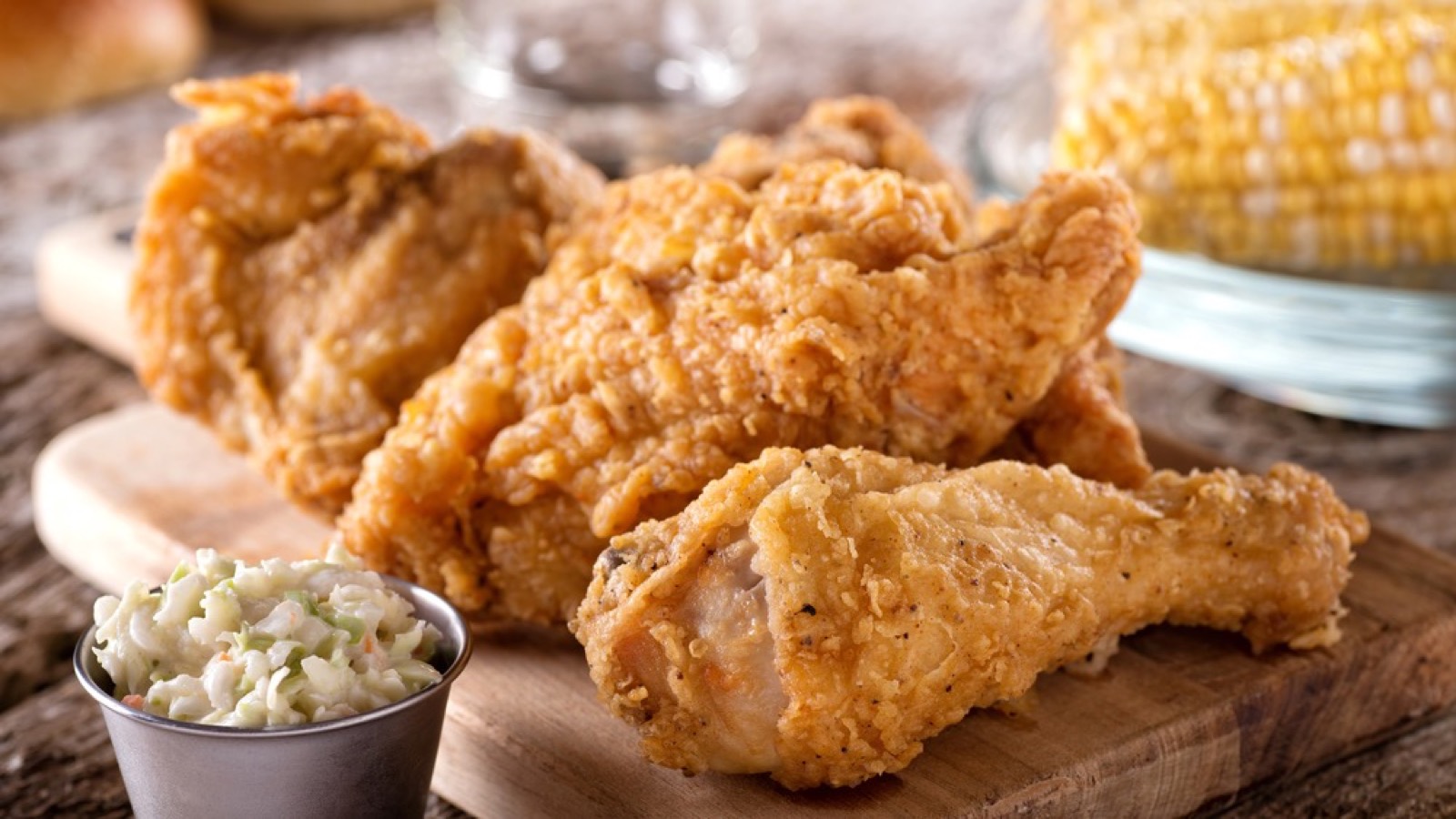
1. Chicken
It might be hard to believe now, but chicken was once a Sunday dinner special in many homes. Before the 1950s and 1960s, most chickens were raised on small farms, and a whole chicken could be pricey compared to other meats. Many families saved fried chicken for Sundays or special occasions.
As the poultry industry grew and became more efficient, chicken prices fell dramatically. Today, it’s one of the most affordable proteins in the grocery store. A rotisserie chicken can be picked up for a few dollars on the way home from work, something that would have amazed many 1960s mothers.
2. Shrimp
Shrimp was a fancy food in the 1960s. Shrimp cocktail was something people ordered at a nice restaurant or served at a dinner party to impress guests. For many families, it was far too expensive for a regular weeknight meal.
Today, frozen shrimp is widely available and often affordable, especially when bought in bags at warehouse stores. Many families cook shrimp tacos, stir-fries and pasta dishes on ordinary nights. The once-elegant shrimp cocktail is now a regular sight at holiday parties and even fast-food menus.
3. Fresh Strawberries in Winter
In the 1960s, fresh strawberries were mostly a late spring and summer treat. Outside of the growing season, they were hard to find and expensive when available. Families looked forward to strawberry season for shortcake, jam and pies.
Now, strawberries are sold year-round in most grocery stores, thanks to growers in California, Florida and Mexico and better refrigerated shipping. While prices still vary by season, strawberries in January are no longer a rare luxury. Kids today hardly realize they were once a summertime treat.
4. Avocados
Avocados were virtually unknown in many parts of the country in the 1960s. They were grown mainly in California and Florida and were considered an exotic, somewhat expensive fruit elsewhere. Many families had never tasted one.
Today, avocados are everywhere, from guacamole at parties to avocado toast at breakfast. Imports from Mexico have made them available all year. While prices still fluctuate, they’re a regular item in many shopping carts, a far cry from their rare status decades ago.
5. Orange Juice
Fresh orange juice was a breakfast luxury for many families before frozen concentrate became widespread. Frozen orange juice concentrate, developed in the 1940s, made it more affordable and popular in the 1950s and 1960s. Still, many families treated a glass of juice as something special.
Today, cartons of orange juice and countless other juices fill grocery store shelves. While orange juice prices have risen in recent years due to citrus disease and weather, juice of some kind is a cheap and everyday drink in most homes. Many people now drink it without thinking twice.
6. Bananas Year-Round
Bananas were available in the 1960s, but prices and availability could vary more than today. They were often seen as a nice treat, especially in rural areas far from ports. Some families bought them only occasionally.
Today, bananas are one of the cheapest fruits in the grocery store, often costing well under a dollar per pound. They’re sold year-round and are a staple in lunchboxes and kitchens everywhere. The history of bananas in America shows how shipping and large growers made them an everyday fruit.
7. Pizza
In the 1960s, pizza was still a relatively new food in many parts of the country. While popular in Italian-American neighborhoods, it was a special treat for many families elsewhere. Going out for pizza or picking up a pie from a pizzeria felt like an event.
Today, pizza is one of the most common and affordable foods in America. Frozen pizzas can be bought for a few dollars, and chains offer deals that make pizza a cheap weeknight dinner. What was once a novelty is now a regular part of American life.
8. Ice Cream by the Half-Gallon
Ice cream was popular in the 1960s, but for many families, it was a treat bought for special occasions or weekends. Some families made it at home with hand-cranked machines. Buying a half-gallon of store ice cream was something to look forward to.
Today, store-brand ice cream is affordable and found in nearly every freezer. Families can keep it on hand all the time, and there are dozens of flavors to choose from. The days of saving ice cream for Sundays are long gone for most families.
9. Coffee Drinks and Flavored Creamers
In the 1960s, coffee was usually simple: black or with a little milk and sugar. Fancy coffee drinks like cappuccinos and lattes were rare outside of big cities and specialty cafes. Flavored creamers didn’t exist the way they do now.
Today, flavored creamers, instant coffee drinks and home espresso machines are common. While coffee shop drinks can still be pricey, making a flavored coffee at home is cheap and easy. For many people, a fancy coffee drink has become part of their daily routine.
Why These Foods Got Cheaper
Several factors have made these once-luxurious foods more affordable. Advances in farming and food processing have increased production and lowered costs. Refrigerated trucks and global shipping now bring fresh produce from around the world to local stores.
Large-scale production, like in the poultry industry, has also played a big role. According to the USDA’s Economic Research Service, Americans now spend a much smaller share of their income on food than families did decades ago. That shift has turned many former treats into everyday foods.
What Older Generations Notice
Many people who grew up in the 1960s are amazed at how easy it is to get foods that were once special. They remember waiting for strawberry season, saving shrimp for parties and getting excited about Sunday fried chicken. Today, those foods are just part of a normal grocery trip.
Some older adults say this abundance makes food feel less special. When everything is available all the time, it’s harder to feel the excitement of a seasonal treat. Others are simply grateful that their grandchildren can enjoy foods they once considered luxuries.
Some Things Got More Expensive
Of course, not every food has gotten cheaper. Beef, coffee beans and some fresh produce have seen big price increases in recent years. Many families today feel the pinch of rising grocery bills, especially for staples like eggs and meat.
Still, it’s interesting to look back and see how much the grocery store has changed. Many foods that once felt like a splurge are now everyday staples. For 1960s families who saved ’60s foods for special occasions, today’s grocery aisles would look like a feast.