9 Grocery Store Perks Shoppers Got in the 1970s That Are Gone Now
Grocery shopping in the 1970s was a very different experience. Stores were smaller, prices were lower and service was more personal. Shoppers often knew the butcher, the cashier and the bag boy by name, and many stores offered little extras to keep customers loyal.
Today’s supermarkets are bigger and offer more choices, but many of those old perks have quietly disappeared. Self-checkout lanes, bag fees and app-only coupons have replaced the friendly service many older shoppers remember. Here are nine grocery store perks shoppers got in the 1970s that are mostly gone now.
1. Someone Carried Your Groceries to the Car
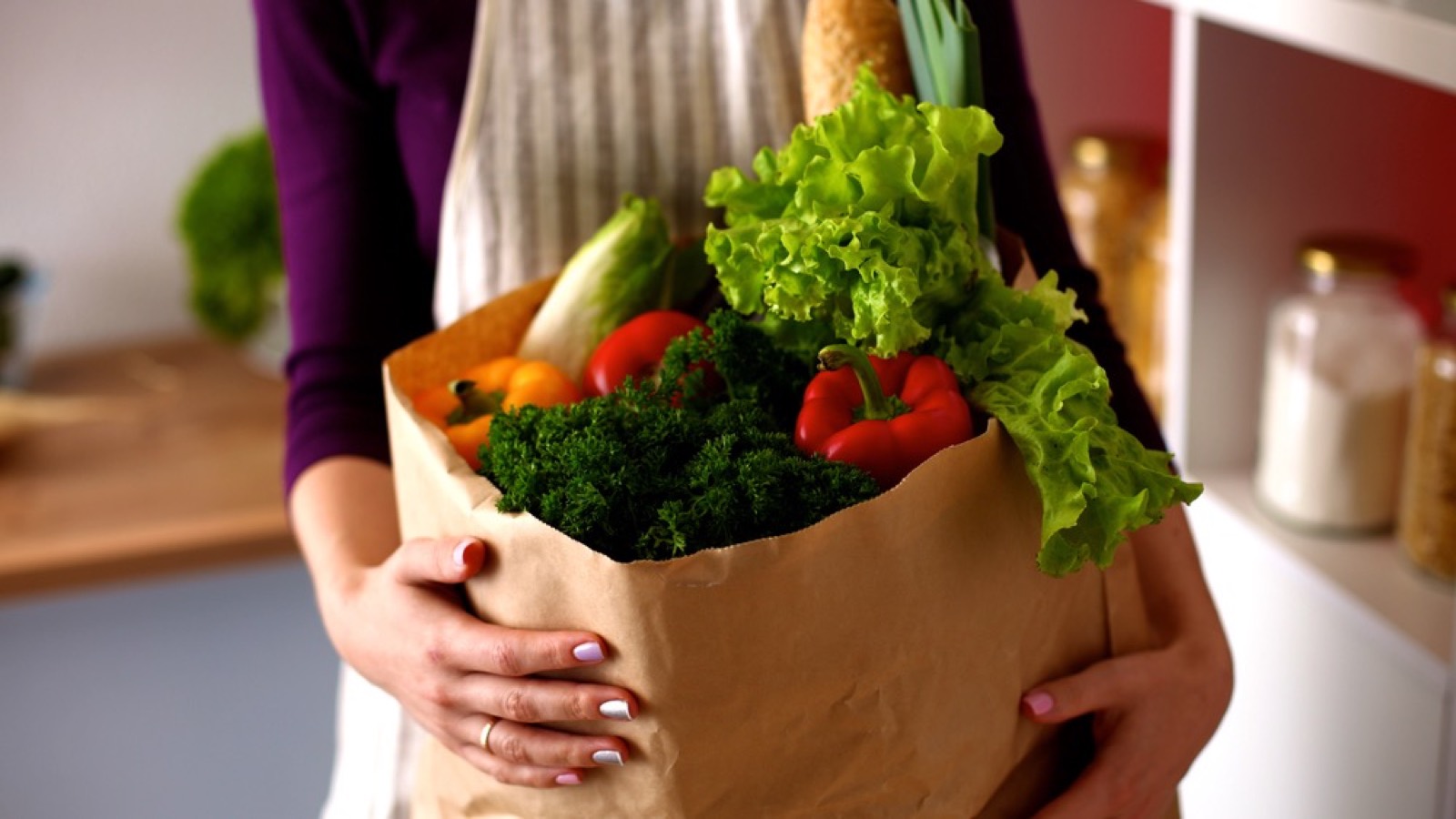
In the 1970s, it was common for a bag boy, often a teenager working his first job, to carry groceries out to your car and load them into the trunk. Shoppers didn’t have to ask. It was simply part of the service, and many customers tipped a quarter or two.
Some stores still offer carryout help, especially for older or disabled customers, but it’s no longer automatic in most places. Many shoppers now push their own carts to the car and load the bags themselves. For older Americans, it’s one of the most missed perks.
2. Trading Stamps Like S&H Green Stamps
Trading stamps were a huge part of 1970s grocery shopping. Stores handed out stamps based on how much you spent, and shoppers pasted them into booklets. Once they filled enough books, they could redeem them for household items like toasters, lamps and dishes at special redemption centers.
S&H Green Stamps were the most famous, but there were many others, like Top Value and Plaid Stamps. Kids often helped lick and paste stamps into books. Today’s loyalty programs serve a similar purpose, but many older shoppers say they don’t feel nearly as exciting.
3. A New Dish or Glass Every Week
Many grocery stores ran promotions where shoppers could collect a set of dishes, glassware or cookware piece by piece. Each week, a different item would be available for free or a small price with a minimum purchase. Families built entire sets of dinnerware this way.
Some boomers still have those dishes in their cupboards today. These promotions kept customers coming back every week to complete their sets. They’ve largely disappeared from modern supermarkets, which rely more on digital coupons and fuel rewards.
4. Encyclopedia Volumes at the Checkout
Another popular promotion was the encyclopedia set. Grocery stores offered the first volume for a low price, then a new volume each week. Parents bought them one at a time, hoping to give their children a home reference library.
Many families never completed the set, leaving them with shelves of encyclopedias from A to M. Still, boomers often remember these promotions fondly, along with the idea that the grocery store could help with homework. Today, of course, encyclopedias have been replaced by the internet.
5. Free Paper Bags Without a Second Thought
In the 1970s, every purchase went into free paper bags, and later plastic bags became common too. Nobody thought twice about using as many as needed, and many families reused them for trash or school book covers.
Today, many states and cities charge for bags or have banned plastic bags altogether. Shoppers are expected to bring reusable bags or pay a small fee. While many people support the environmental goals, older shoppers often remember when bags were simply part of the service.
6. A Butcher Who Cut Meat to Order
Many 1970s grocery stores had a full-service butcher counter where shoppers could ask for custom cuts, ground beef made fresh and special orders for holidays. Butchers often gave advice on cooking and sometimes handed out free soup bones.
Many modern stores still have butcher counters, but more meat now comes prepackaged from central processing plants. Free soup bones and personal advice are less common. Shoppers who remember the old days often say the meat counter felt more personal.
7. Paying With a Personal Check
Writing a check at the grocery store was routine in the 1970s. Cashiers often knew regular customers and accepted checks with little fuss. Some stores even offered check-cashing services for customers.
Today, many grocery stores no longer accept personal checks, or accept them only with strict limits. Most shoppers pay with cards or phones. Older Americans who still prefer checks sometimes find themselves turned away at the register.
8. Prices Stamped on Every Item
In the 1970s, nearly every item on the shelf had a price sticker or stamp on it. Shoppers could see the price on the can at home, which helped them compare costs and keep track of spending.
Barcode scanning, which began spreading in the mid-1970s and became common in the 1980s, eventually replaced individual price tags. Now, prices are posted on the shelf, and shoppers often don’t know exactly what they paid until they check the receipt. Many older shoppers say they miss seeing prices on their groceries.
9. A Cashier Who Knew Your Name
In many neighborhoods, the grocery store was a community hub, and cashiers knew regular customers well. They asked about families, remembered birthdays and chatted while ringing up purchases. Shopping felt social as well as practical.
Today, larger stores, high turnover and self-checkout lanes have made those relationships rarer. Many shoppers now go through checkout without speaking to anyone at all. For older Americans who valued that personal touch, it’s one of the biggest losses.
Why These Perks Disappeared
Many of these perks faded as grocery stores grew larger and focused more on efficiency and low prices. Labor costs rose, and stores looked for ways to cut back on staff. Self-checkout, prepackaged meat and digital coupons all helped stores save money.
Changing technology also played a role. Barcodes, credit cards and online ordering transformed the grocery business. At the same time, environmental concerns led to bag fees, and loyalty programs replaced trading stamps. These changes fit a bigger pattern of everyday things that may become less common in the years ahead.
Some Perks Are Making a Quiet Comeback
Interestingly, a few old-fashioned perks are returning in new forms. Grocery delivery, once offered by small neighborhood stores, is now common again through apps. Some stores have brought back personal shoppers and curbside pickup, which echo the old carryout service.
Loyalty programs, while digital, still reward repeat customers, much like trading stamps did. But for many older shoppers, these new versions don’t capture the friendly, personal feel of a 1970s grocery trip.
A Different Kind of Shopping Experience
Grocery shopping in the 1970s was slower, more personal and full of small extras. For many older Americans, those memories are tied to family routines, neighborhood relationships and a sense of community.
Today’s supermarkets offer more variety and convenience, but many shoppers miss the human touch. Ask anyone who shopped in the 1970s, and they’ll likely tell you about the bag boy, the green stamps and the cashier who always asked about their kids.