9 Old-Time Candies You Can Only Find in Specialty Shops Now
There was a time when the candy aisle of every corner store and five-and-dime was full of treats that cost only a penny or a nickel. Kids would walk in with a few coins and walk out with a paper sack full of colorful sweets. Many of those candies are still being made today, but you are unlikely to find them at a regular grocery store.
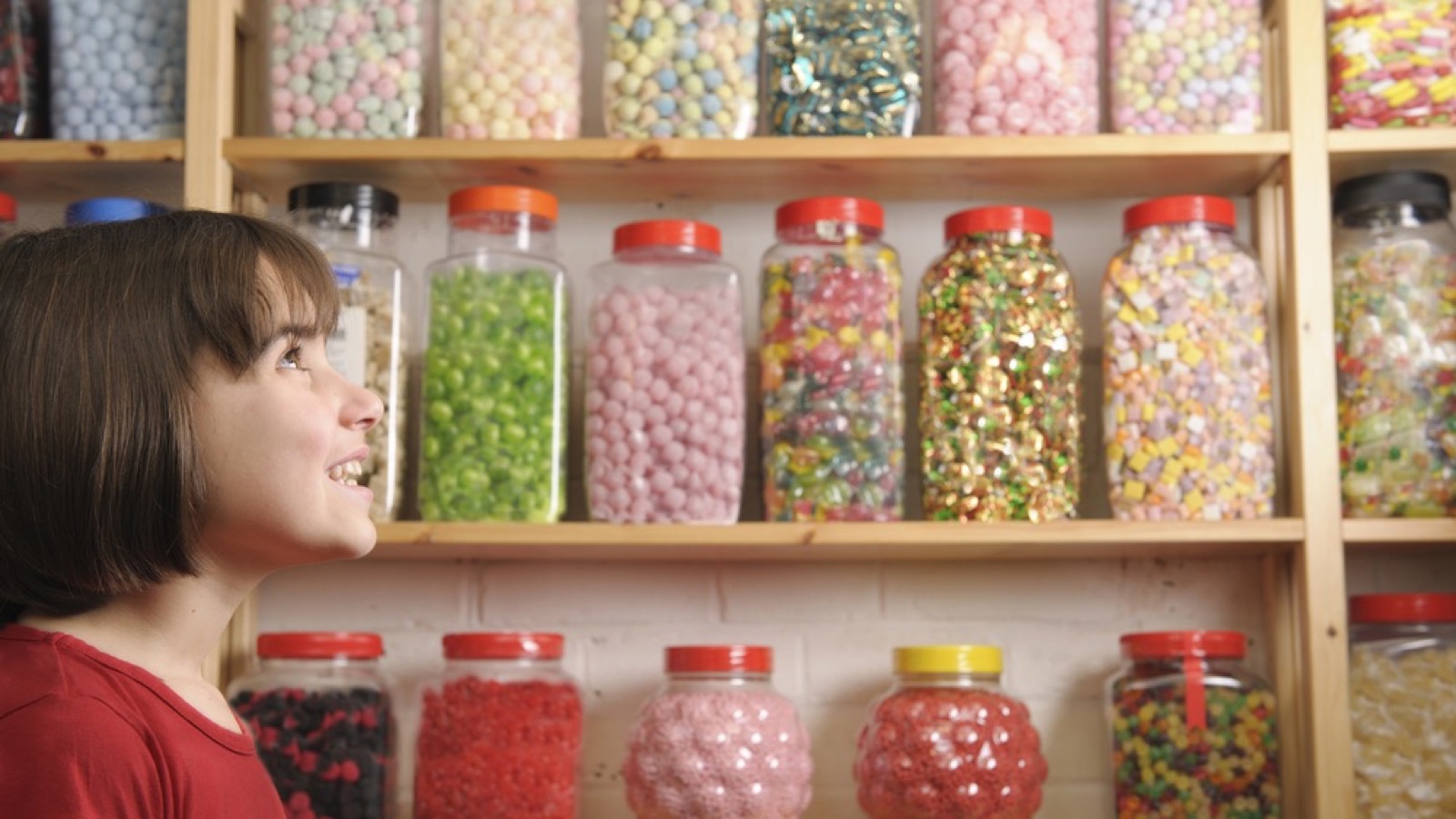
Instead, many old-fashioned candies now live in specialty shops, nostalgic candy stores, country stores and online retailers. They are often sold to adults looking for a taste of their childhood. Here are some old-time candies that have mostly disappeared from mainstream shelves but can still be found if you know where to look.
1. Candy Buttons
Candy buttons are small dots of colored sugar candy stuck to long strips of paper. Kids would bite them off one by one, often getting a little bit of paper in every bite. The candy came in pastel colors with mild fruit flavors.
These treats were a staple of penny candy counters for decades. Today, they are hard to find in most supermarkets, but nostalgic candy shops and online stores still sell them. Many adults buy them for the memories rather than the flavor, since the experience of peeling candy off paper is half the fun.
2. Wax Bottles
Wax bottles, sometimes known by the brand name Nik-L-Nip, are small wax containers shaped like bottles and filled with colored, sweetened liquid. Kids would bite off the top, drink the syrup inside and then chew the wax. Some children chewed the wax for a long time, while others threw it away.
These candies have been around since the early 20th century, as the Nik-L-Nip history notes. They are still made today, but they are rarely seen in regular stores. Specialty candy shops often carry them for customers who remember them from childhood.
3. Mary Janes
Mary Janes are chewy peanut butter and molasses candies wrapped in yellow and red paper. They were first made in 1914 and became a popular penny candy for generations. Many people remember finding them in Halloween bags, sometimes with mixed feelings.
Mary Janes have a loyal following, especially among older adults who grew up eating them. While they are still made, they are more likely to be found in nostalgic candy stores and country stores than in typical supermarkets. Fans often describe the candy as tasting like a sweet, sticky slice of the past.
4. Black Licorice Pipes
Black licorice shaped like small pipes was a fun novelty candy for kids in earlier decades. Some versions had red candy sprinkles on the bowl to look like glowing embers. Children would pretend to smoke them before eating them.
Candy shaped like smoking items has become much less common because of changing attitudes toward smoking. Still, some specialty shops sell licorice pipes as a nostalgic treat. For people who grew up with them, they bring back memories of simple childhood fun.
5. Necco-Style Wafers
Necco Wafers were thin, chalky candy discs in flavors like lemon, lime, orange, clove, cinnamon, wintergreen, licorice and chocolate. They were sold in paper rolls and were a staple for generations. The candy dates back to the 1800s and was even carried by soldiers during wars.
In 2018, the New England Confectionery Company closed, and Necco Wafers disappeared for a time, as the Necco history shows. They were later revived by a new owner and returned to some stores. However, they are still not as widely available as they once were, and many fans buy them online or at specialty candy shops.
6. Horehound Drops
Horehound drops are old-fashioned hard candies made from the horehound plant, which has a bitter, herbal taste. They were once a common sight in general stores and pharmacies. Many people remember grandparents keeping them in a jar or a pocket.
The flavor is often described as a cross between root beer and licorice with a slightly bitter edge. Horehound drops are now mostly found in old-fashioned candy shops, country stores and online. They are a true taste of an earlier era that few younger people have experienced.
7. Clove and Teaberry Gum
Clove gum and Teaberry gum were popular flavors in the early and mid-20th century. Clove gum had a spicy, aromatic taste, while Teaberry had a minty, slightly fruity flavor with a pink color. Many people remember these gums from their parents’ or grandparents’ pockets.
These flavors were discontinued and revived several times over the years. Today, they are mostly found in nostalgic candy stores or online shops that specialize in retro sweets. Fans who loved them often buy them as gifts or keepsakes, enjoying the chance to revisit a flavor they thought was gone forever.
8. Rock Candy on a String
Rock candy is made by allowing sugar crystals to form on a string or stick. The result is a sparkling, crunchy candy that looks like a cluster of gems. It was popular in candy stores and was sometimes used to sweeten tea or coffee.
While rock candy can still be found in some stores, it is more common in specialty candy shops and tourist spots. Many people also make it at home as a science experiment with children. Its old-fashioned look and simple sweetness make it a nostalgic favorite for many.
9. Squirrel Nut Zippers
Squirrel Nut Zippers are chewy caramel and peanut candies with a vanilla flavor. They were first made in the 1920s and became a popular treat for decades. The name is also famous because it inspired the name of a band in the 1990s.
The candy is still made today but is rarely found in regular stores. Instead, specialty candy shops and online retailers keep it available for those who remember it. Fans say the chewy texture and nutty flavor are hard to find in modern candies.
Why Old-Time Candies Still Matter
Old-fashioned candies remind many people of simpler times, when a few coins could buy a bag full of treats. They bring back memories of corner stores, summer afternoons and trips to the five-and-dime. For many, the taste of these candies is tied to childhood friendships and family outings.
Specialty candy shops have become popular destinations for people who want to relive those memories. Many of these stores offer a mix of old and new candies, allowing older generations to share their favorites with children and grandchildren. In a world of mass-produced sweets, these old-time candies offer a sweet connection to the past, much like the candy bars your parents loved that are now gone.