9 Sandwich Spreads That Have Nearly Vanished From American Shelves
There was a time when the sandwich spread section of the grocery store was full of jars and cans that families used every week. Lunchboxes were packed with sandwiches made from whatever spread Mom had on hand, and many of those spreads came straight from a can or a tub. Some were simple, some were strange, and some were genuinely delicious.
Today, many of those spreads are much harder to find. Some have been discontinued, others survive only in certain regions, and a few hang on in small jars on a bottom shelf. If you grew up eating any of these between two slices of white bread, you may be surprised at how rare they have become.
1. Deviled Ham
Underwood Deviled Ham, sold in a small can wrapped in white paper with a red devil logo, was a pantry staple for generations. The spread was made from finely ground ham mixed with spices, and it was easy to spread on crackers or bread. Many families also used it for party sandwiches and appetizers.
The brand dates back to the 1800s, and its devil logo is often cited as one of the oldest food trademarks in the country, as the Underwood history notes. While you can still find it in some stores, it no longer has the wide reach it once did. Younger shoppers often have no idea what it is, even though their grandparents ate it regularly.
2. Pimento Cheese in Jars
Pimento cheese has never gone out of style in the South, where many families make their own. But store-bought jars of pimento cheese spread, once common nationwide, are much harder to find outside certain regions. In the mid-20th century, small glass jars of the spread sat in dairy cases across the country.
Kraft once sold a pimento cheese spread in small glass jars that many people remember from childhood. Today, shoppers outside the South often have to look for local brands or make it at home. For those who grew up with it, a pimento cheese sandwich still tastes like summer picnics and church gatherings.
3. Olive and Pimento Cheese Spread in Little Glass Jars
Many families remember a row of small glass jars of cheese spread in the dairy case, each with a different flavor. One of the most popular was olive and pimento, a creamy cheese spread dotted with chopped green olives and bits of red pepper. It was salty, tangy and easy to spread on crackers or soft white bread.
Those little jars were also reused as juice glasses in many homes once the spread was gone, which made them a familiar sight in kitchen cabinets. The olive and pimento version has become very hard to find in most stores. People who loved it often say a homemade mix of cream cheese and chopped olives is the closest they can get today.
4. Ham Salad
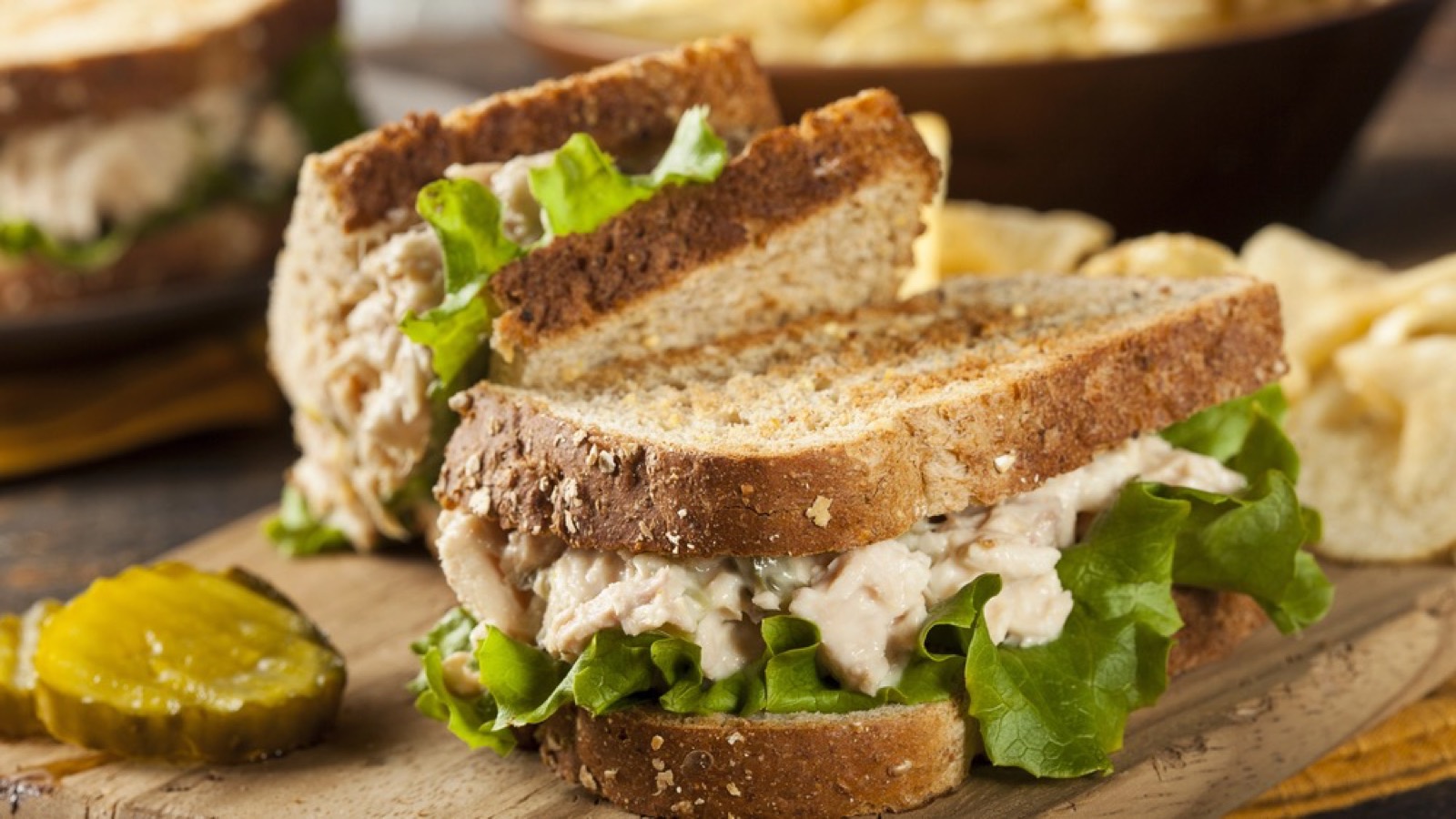
Ham salad was a classic way to use up leftover ham, especially after holidays. It was made by grinding ham with pickle relish and mayonnaise, sometimes with a little mustard. Many delis and grocery stores sold their own versions in tubs.
Today, ham salad is still common in some parts of the Midwest and South, but it has vanished from many grocery stores elsewhere. Some people even remember it being made with bologna instead of ham, which gave it a unique flavor. For older generations, ham salad sandwiches were a regular part of lunch.
5. Sandwich Spread With Relish
Before people made their own condiment combinations, jars labeled simply “sandwich spread” were common. These were mayonnaise-based spreads mixed with chopped pickles and other relish ingredients. A spoonful of it could turn plain bread and bologna into a full sandwich.
Hellmann’s and Kraft both made versions, and many families kept a jar in the fridge door. The products still exist in some places, but they are far less common than they were in the 1960s and 1970s. Many people today use mayo and relish separately rather than buying the combined spread.
6. Potted Meat
Potted meat came in tiny cans and was cheap, shelf-stable and easy to carry. It was popular during the Depression and World War II, when families needed affordable protein. Many people ate it on crackers or spread on bread for a quick lunch.
Potted meat is still sold today, but it has lost much of its popularity and shelf space. For many younger shoppers, the tiny cans are a curiosity rather than a staple. Older generations, though, often remember eating it at camp, on fishing trips or during lean times at home.
7. Pineapple Cream Cheese Spread
Another flavor from those small glass jars was pineapple cream cheese. It sounds unusual today, but the sweet and creamy spread was a favorite for tea sandwiches, bridge club lunches and baby showers. Many mothers spread it on date nut bread or raisin bread for a special treat.
Flavored cream cheese is easy to find today, but the classic pineapple version has become much harder to locate. Shelves are now full of garden vegetable, strawberry and other modern flavors instead. Fans of the old pineapple spread often mix crushed pineapple into plain cream cheese to recreate it.
8. Chicken Spread in a Can
Canned chicken spreads were once common alongside deviled ham and potted meat. They were made from finely ground chicken mixed with seasonings, perfect for quick sandwiches. Underwood and other brands made versions of these spreads for decades.
These products are harder to find today, although some smaller brands still offer them. Many people now buy canned chicken and mix their own chicken salad instead. Still, those who grew up with chicken spread in a can often remember it fondly from childhood lunches.
9. Liverwurst Spread
Liverwurst, also known as braunschweiger, was once a common sandwich spread in many German-American households. It was soft enough to spread on rye bread and was often eaten with onions or mustard. Many delis and grocery stores sold it in tubes or tubs.
Liverwurst still has loyal fans, especially in the Midwest, but it is much less common than it once was. Many younger people have never tasted it. For older generations, though, a liverwurst sandwich is a strong reminder of family meals and old-world traditions.
Why These Spreads Faded Away
Changing tastes, new food trends and the rise of fresh deli options all played a part in the decline of these spreads. Many people today prefer sandwiches made with fresh meats and cheeses rather than canned or jarred fillings. Others simply grew up without these foods and never developed a taste for them.
Still, for many people, these spreads hold strong memories of school lunches, picnics and busy family kitchens. Some are still available if you know where to look, often on the bottom shelf near the canned meats. For anyone who grew up with them, finding one of these jars can feel like discovering a small piece of the past, much like other grocery items that quietly slipped away.