9 Things Grandma Kept by the Stove That Every Cook Should Know About
Grandma’s stove was her command center. Everything she needed was within arm’s reach, arranged in a way that made sense after decades of cooking three meals a day. She didn’t need a fancy kitchen gadget catalog or a cooking show to tell her what to keep handy. She learned from her own mother and from years of trial and error.
If you stood in her kitchen while she cooked, you’d notice she rarely took a step away from the stove. A reach to the left grabbed the salt, a reach to the right grabbed the spoon, and a tin can on the back of the stove held a secret ingredient that made everything taste better.
Many of those habits still make sense in a modern kitchen. Some are about flavor, some about saving money and a few are about safety. Here are nine things Grandma kept by the stove, and why every home cook could benefit from doing the same.
1. A Jar of Bacon Grease
Nearly every grandmother had a coffee can or a small jar of bacon grease sitting near the stove. After frying bacon, she poured the leftover fat through a strainer into the container and saved it for later. Nothing went to waste in her kitchen.
That bacon grease added smoky flavor to green beans, cornbread, fried eggs and gravy. Many Southern cooks still swear by it. Today, many cooks keep their saved grease covered in the refrigerator rather than on the stovetop, so it stays fresh longer, but the habit of saving it is as smart as ever.
2. A Salt Cellar or Salt Pig
Instead of a salt shaker, many grandmothers kept salt in a small open dish, crock or ceramic “salt pig” by the stove. That way, she could grab a pinch with her fingers and season by feel, which is how many experienced cooks still work today.
Seasoning with your fingers gives you much better control than shaking salt from a container, and it helps you learn how much a dish really needs. Professional chefs keep salt within reach for the same reason. Grandma was simply ahead of her time.
3. A Well-Seasoned Cast-Iron Skillet
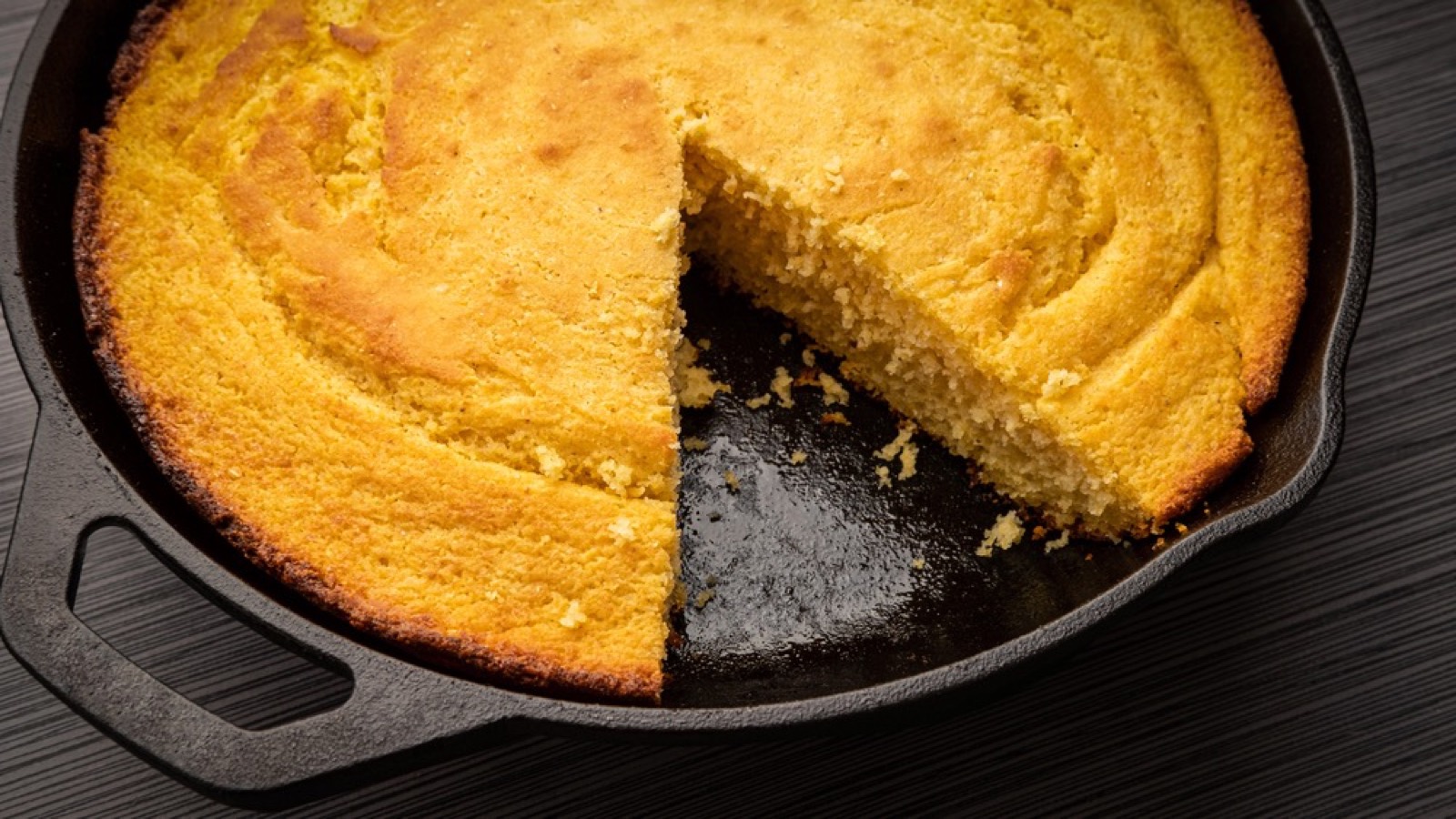
The cast-iron skillet usually lived right on the stovetop, because it was used every single day. Grandma fried chicken, baked cornbread, seared pork chops and scrambled eggs in it. Over the years, it developed a slick, black surface from all that use.
Cast iron holds heat beautifully and can go from stovetop to oven. Many families still use skillets that belonged to their grandmothers, since cast-iron cookware can last for generations with proper care. Grandma knew never to soak it and always to dry it right away.
4. A Crock Full of Wooden Spoons
A ceramic crock or old pitcher held Grandma’s wooden spoons, spatulas and whisks. The wooden spoons were often stained from years of stirring tomato sauce and gravy, and some even had a flat edge worn down from scraping the bottom of the pot.
Wooden spoons are gentle on pots and pans and don’t get hot like metal ones. Keeping them in a crock by the stove means they’re always ready when a sauce needs stirring. Many grandchildren treasure Grandma’s old spoons as keepsakes because they hold so many memories.
5. A Lid Close By for Emergencies
Grandma knew that grease fires could happen, and she was prepared. Many older cooks kept a pot lid close by, along with a box of baking soda, in case something in the pan caught fire. It’s a habit worth keeping.
The National Fire Protection Association advises that for a small grease fire, you should smother it by sliding a lid over the pan and turning off the heat, and never throw water on it. Many families also keep a fire extinguisher nearby, and it’s worth knowing a few extinguisher basics before you ever need one.
6. A Box of Kitchen Matches
Before stoves had electric igniters, many gas stoves had to be lit by hand. Grandma kept a box of kitchen matches near the stove, ready to relight a burner or the oven pilot light. Even in kitchens with automatic igniters, matches came in handy during power outages.
Kitchen matches were also used to light candles at the dinner table and birthday cakes. Keeping a box by the stove is still practical today, especially for anyone with a gas range who wants a backup when the power goes out.
7. A Tea Kettle Always Ready
The tea kettle seemed to live permanently on one of the back burners. Grandma used it for tea and instant coffee, of course, but also for pouring hot water into a pot to speed up cooking or for warming a baby’s bottle in a pan of water.
The whistle of the kettle was one of the most familiar sounds in her kitchen. Many people still associate that sound with Grandma’s house and a cup of something warm on a cold afternoon. An electric kettle works just as well today, but nothing quite replaces the old whistling kind.
8. A Wind-Up Kitchen Timer
Long before smartphones, Grandma relied on a wind-up kitchen timer, often shaped like an egg, a chicken or a tomato. She twisted the dial to set it, and it ticked loudly until it rang with a sharp bell. It sat on the stove or windowsill where she could always hear it.
A timer kept cookies from burning and eggs from overcooking. Many cooks today still prefer a simple kitchen timer over a phone, since it’s quick to set and doesn’t get covered in flour. Some people collect the vintage ones because they bring back such strong memories.
9. A Flour Shaker for Dredging
Many grandmothers kept a metal shaker filled with flour near the stove. It was used to dust chicken before frying, thicken gravy, flour a cake pan or sprinkle the counter before rolling out dough. It saved her from reaching for the big flour canister every time.
That simple tool made gravy-making especially easy. A few shakes of flour into hot pan drippings, a little stirring, and the base for a perfect gravy was ready. It’s a small habit that saves time and mess, and it’s one many home cooks have never thought to copy.
Why Grandma’s Setup Still Works
What all these items have in common is convenience. Grandma arranged her kitchen so she could cook efficiently, without running back and forth across the room. Professional chefs do the same thing, keeping everything they need right at their station.
Her setup also reflected her values: saving money, wasting nothing, staying safe and cooking with care. Those ideas never go out of style. And if something does get a little too crispy on the stove, there are tricks for getting a burnt smell out of the house that Grandma would have appreciated.
Bring a Little Grandma Into Your Kitchen
You don’t need to redesign your kitchen to borrow these ideas. Start with a small crock for wooden spoons, a dish of salt by the stove and a lid kept within reach. Maybe pick up a cast-iron skillet if you don’t already have one.
These small changes can make cooking easier and more enjoyable. And who knows? Someday your grandkids might remember the things you kept by the stove, too.