9 Things Older Cooks Notice That Younger Cooks Miss
Anyone who has cooked alongside a grandmother or an experienced older cook knows they seem to have a sixth sense in the kitchen. They can tell when bread is done by tapping it, when oil is hot enough by a sizzle and when a sauce needs salt by the smell. Younger cooks, who often rely on recipes, timers and apps, may not notice these details at all.
Decades of cooking teach lessons that aren’t written in any cookbook. Older cooks pick up on small signs that make a big difference in the final dish. Here are nine things older cooks often notice that younger cooks miss, based on the kind of kitchen wisdom passed down through generations.
1. When the Pan Is Really Hot Enough
Experienced cooks know that a pan needs to be properly heated before food goes in. They can tell by the shimmer of oil, the sound of a drop of water hitting the surface or the feel of heat rising from the pan. Younger cooks often add food too early, which leads to sticking and uneven browning.
Older cooks say patience at this stage makes all the difference. A properly heated pan gives meat a golden crust and keeps eggs from sticking. It’s a lesson many learned from watching their mothers cook in cast-iron skillets.
2. The Smell of Food That’s Almost Done
Many older cooks rely on their nose as much as a timer. They can smell when cookies are just about ready, when garlic is about to burn or when a roast has reached the right point. These cues often come before any visible change.
Younger cooks often depend on exact times from recipes. But ovens vary, and older cooks know that smell is a more reliable signal. Many grandmothers say they’ve never set a kitchen timer in their lives.
3. How Dough Should Feel
Bakers with decades of experience can tell by touch whether bread or pie dough is right. They know when it’s too sticky, too dry or perfectly elastic. They adjust flour or water by feel rather than by strict measurements.
Younger bakers often follow recipes exactly, even when the dough clearly needs adjusting. Humidity, flour type and even the weather can affect dough. Older cooks learned to read these changes through years of practice. Many of their best recipes live on handwritten recipe cards with notes like “add flour until it feels right.”
4. When to Leave Food Alone
Older cooks often know when not to touch the food. They let meat sear without flipping it constantly, let pancakes bubble before turning and let cakes cool before cutting. Younger cooks sometimes stir, flip and poke too often.
This restraint leads to better browning, better texture and fewer broken pancakes. Many older cooks say the hardest lesson for beginners is learning to be patient and trust the process.
5. Signs That an Ingredient Is Past Its Best
Experienced cooks can often tell at a glance whether vegetables, fruit, meat or dairy are fresh. They notice slight changes in color, texture or smell that signal an ingredient is past its prime. They also know which ingredients can still be used in cooking even if they’re not perfect.
Younger cooks may rely more on printed dates. Older cooks learned to use their senses, and many say they waste far less food because of it. A slightly soft tomato, for example, can still go into a sauce. For food safety questions, agencies like the USDA explain what the dates on packages actually mean.
6. The Right Amount of Seasoning
Older cooks often season by taste and instinct rather than exact measurements. They know when a dish needs a pinch more salt, a splash of vinegar or a little sugar to balance flavors. They taste as they go, adjusting along the way.
Younger cooks sometimes follow recipe amounts exactly and don’t taste until the end. Experienced cooks say tasting throughout cooking is the key to good food. Many learned this from mothers who never measured anything.
7. How to Use Leftovers Creatively
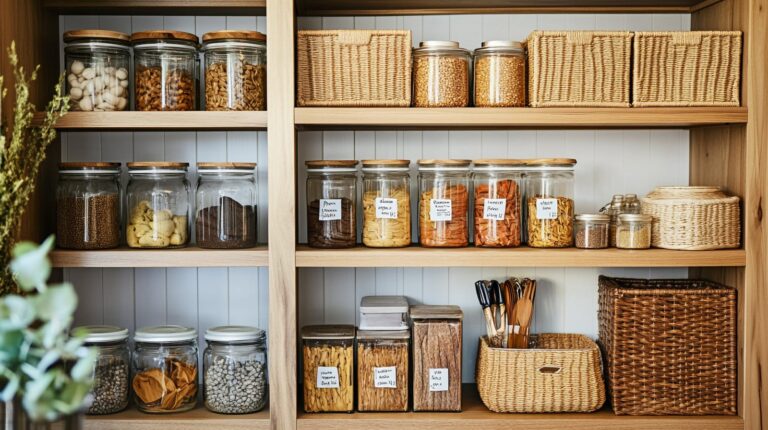
Many older cooks grew up in homes where nothing was wasted. They notice ingredients that can be turned into something new: stale bread for bread pudding, leftover vegetables for soup or extra rice for fried rice.
Younger cooks may throw away leftovers or ingredients they don’t have a recipe for. Older cooks see possibilities. They often say a well-stocked kitchen and a little creativity can produce a meal from almost anything.
8. The Importance of Cleaning as You Go
Older cooks often clean as they cook, washing bowls and wiping counters while food simmers. By the time dinner is ready, the kitchen is mostly clean. Younger cooks may leave a big mess to deal with at the end.
Many older cooks learned this habit from mothers who managed busy kitchens without dishwashers. They say it makes cooking less stressful and cleanup much easier. It’s a simple habit that younger cooks often adopt once they see the difference.
9. When a Recipe Needs Adjusting
Experienced cooks know that recipes are guides, not strict rules. They notice when a dish needs more liquid, less sugar or a longer cooking time, and they adjust accordingly. They also know how to substitute ingredients when something is missing.
Younger cooks sometimes follow recipes so closely that they miss these signs. Older cooks say that cooking is about paying attention, not just following directions. That flexibility comes from years of practice and plenty of mistakes along the way.
Why Experience Matters in the Kitchen
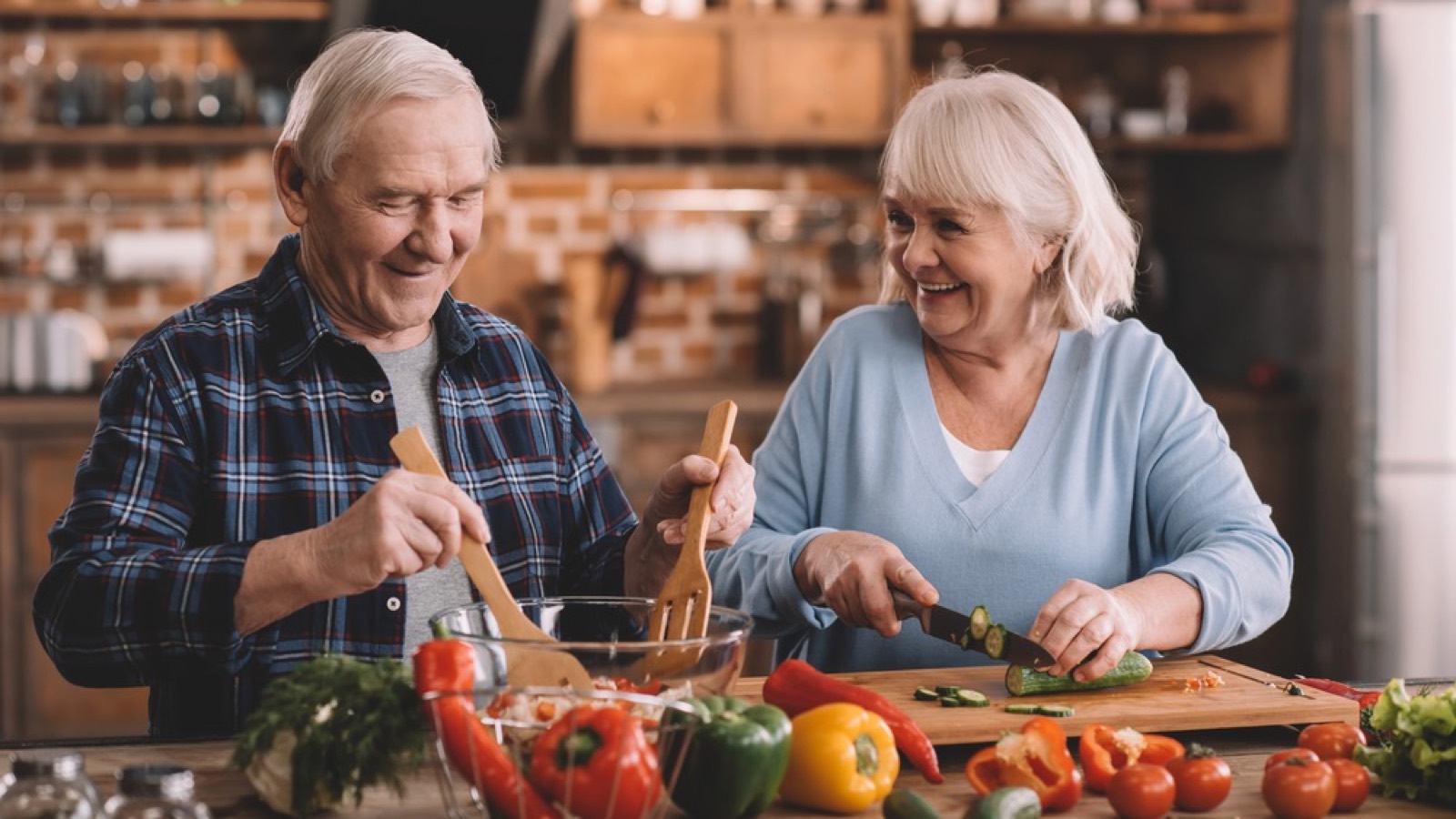
Cooking is a skill built over time. Older cooks have made thousands of meals, learned from failures and developed instincts that can’t be taught quickly. Many also learned directly from mothers and grandmothers who passed down hands-on knowledge.
Today’s younger cooks have more resources than ever, including online recipes, videos and cooking apps. But many still benefit from learning alongside experienced cooks who can show them what to look for, smell and feel.
Passing Down Kitchen Wisdom
Many families are making an effort to capture older cooks’ knowledge before it’s lost. Grandchildren film grandparents cooking, write down recipes and ask questions about techniques. These moments often become treasured family memories.
For younger cooks, spending time in the kitchen with an experienced older cook can be one of the best ways to improve. And for older cooks, sharing their skills is a way to keep family traditions alive for the next generation.